US strikes Iranian missile site on Qeshm after drone attack on US radar in Bahrain
A US military official told Reuters that American fighter aircraft struck an Iranian missile launch site on Qeshm Island on 17 November 2026, after Iranian drones targeted a US radar at Sheikh Isa Air Base in Bahrain. US Central Command said the drones over Bahrain were intercepted without damage or injuries. IRNA reported explosions on Qeshm; a provincial official said homes and infrastructure were not damaged. Kuwait said its air defences were intercepting hostile drones, without naming a source.
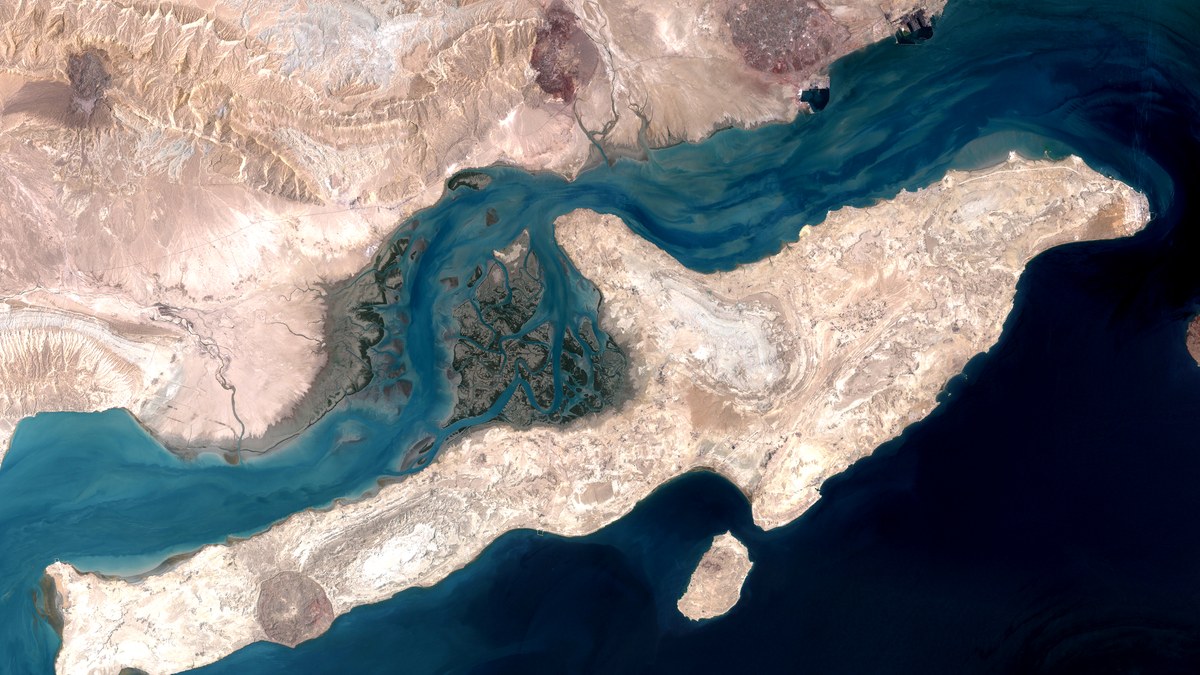
The US military carried out new airstrikes on Iran on Tuesday, 17 November 2026, a US military official told Reuters, saying US fighter aircraft had targeted a missile launch site on Qeshm Island in retaliation for Iran's targeting of US personnel and assets. The official, who spoke on condition of anonymity, did not offer further comment. The island lies in the Strait of Hormuz, a narrow waterway through which a large share of the world's seaborne oil usually passes.
The strike came hours after Iranian drones were aimed at a US radar system at Sheikh Isa Air Base in Bahrain. US Central Command said the drones "were intercepted without any damage to US equipment or personnel." Iran's Islamic Revolutionary Guard Corps said it had carried out a "precision operation" against the US-operated radar, in response to what it called "repeated violations of Iranian airspace by US military drones." Bahrain, which hosts the US Navy's Fifth Fleet, said its air defences intercepted the attack, and blasts were heard over the capital, Manama, according to AFP, as reported by Al Jazeera.
A US official told Al Jazeera that the American strike hit a missile launch site on Qeshm, in response to Iran's earlier attack on the base in Bahrain. Iran's official news agency, IRNA, reported five to six explosions on the island on Tuesday evening. Ahmad Nafisi, deputy governor of Iran's southern Hormozgan province, told IRNA that "the American attack on locations on Qeshm island caused no damage to residential, commercial, or infrastructural areas." He said the situation was under control and that relief agencies were on full alert.
Kuwait's army said the same night that the country was under attack by drones. In a statement reported by Al Jazeera, the military said that "any explosion sounds heard are the result of air defence systems intercepting hostile attacks" and urged the public to follow safety instructions. It did not say where the drones had come from, or whether there were casualties or damage. That origin, and any link to the exchanges over Bahrain and Qeshm, has not been established in the reporting cited here.
Al Jazeera, citing AFP, said the Bahrain incident was the third Iranian drone attack on that country in five days, after a lull of several weeks, and that Friday's strike had been the first Iranian attack on a Gulf country since early September. Reuters reported that the earlier Bahrain attack came after a Bahraini court sentenced 64 people, mostly Shia clerics, to life in prison for allegedly colluding with Iran. Today News Brief earlier reported a previous round of alerts in Bahrain, in Bahrain issues first threat alerts since September as Iran's Guards claim drone attack on US radar, and an earlier US strike on Qeshm, in US carries out 'defensive' strikes on Iran's Qeshm Island on the eve of the midterm elections, US officials say. Those are separate incidents from the 17 November exchange.
The latest strikes sit against a wider confrontation over the Strait of Hormuz, where Iran has sought to restrict shipping and the United States has escorted tankers and carried out other military operations. On 17 November, Iranian authorities and a British maritime monitor also reported further attacks on commercial vessels in the strait, which we covered in Iran says more tankers hit mines in the Strait of Hormuz as UK monitor reports two attacks on ships. That shipping story is distinct from the Qeshm and Bahrain military exchange, but it is part of the same theatre. Al Jazeera also noted that Iran's foreign minister, Abbas Araghchi, and his Omani counterpart, Badr Albusaidi, discussed safeguarding shipping and diplomatic options in Muscat, according to Omani news agencies, and that a third US aircraft carrier, the USS Theodore Roosevelt, had arrived in the Middle East on Monday.
President Trump is due to hold a three-way meeting on Thursday, 19 November, in Shenzhen with Chinese President Xi Jinping and Russian President Vladimir Putin, a gathering at which, Al Jazeera reported, the Iran war is on the agenda. We have a separate report on those talks: Xi and Putin meet in Shenzhen as Trump leaves Manila for Thursday's trilateral summit. Whether Wednesday's meeting between Xi and Putin, or Thursday's trilateral session, produces any diplomatic movement on Iran is not known; no such outcome had been announced at the time of writing.
What can be said with confidence is limited to the official and on-the-record accounts above: a US official told Reuters that American fighter aircraft struck a missile launch site on Qeshm; CENTCOM said Iranian drones aimed at a US radar in Bahrain were intercepted without damage or injuries; the IRGC claimed that Bahrain attack; IRNA reported explosions on Qeshm and a provincial official said there was no damage to homes, businesses or infrastructure; and Kuwait said its air defences were intercepting hostile drones, without naming a source. Casualties on Qeshm, the precise targets hit, and the origin of the drones over Kuwait have not been independently established in these reports.
Sources: Reuters, 17 November 2026, citing a US military official; US Central Command, as reported by Al Jazeera and AFP, 17 November 2026; IRNA, citing Hormozgan deputy governor Ahmad Nafisi; Islamic Revolutionary Guard Corps statement; Bahraini and Kuwaiti official comments, via AFP/Al Jazeera.