US carries out 'defensive' strikes on Iran's Qeshm Island on the eve of the midterm elections, US officials say
The United States carried out limited "defensive" strikes on Iran's Qeshm Island, in the Strait of Hormuz, late on Monday 2 November, several US officials told American media. Iranian state media reported a series of explosions on the island. Washington has not issued a public statement, and the officials stressed that the operation does not mark a return to major combat.
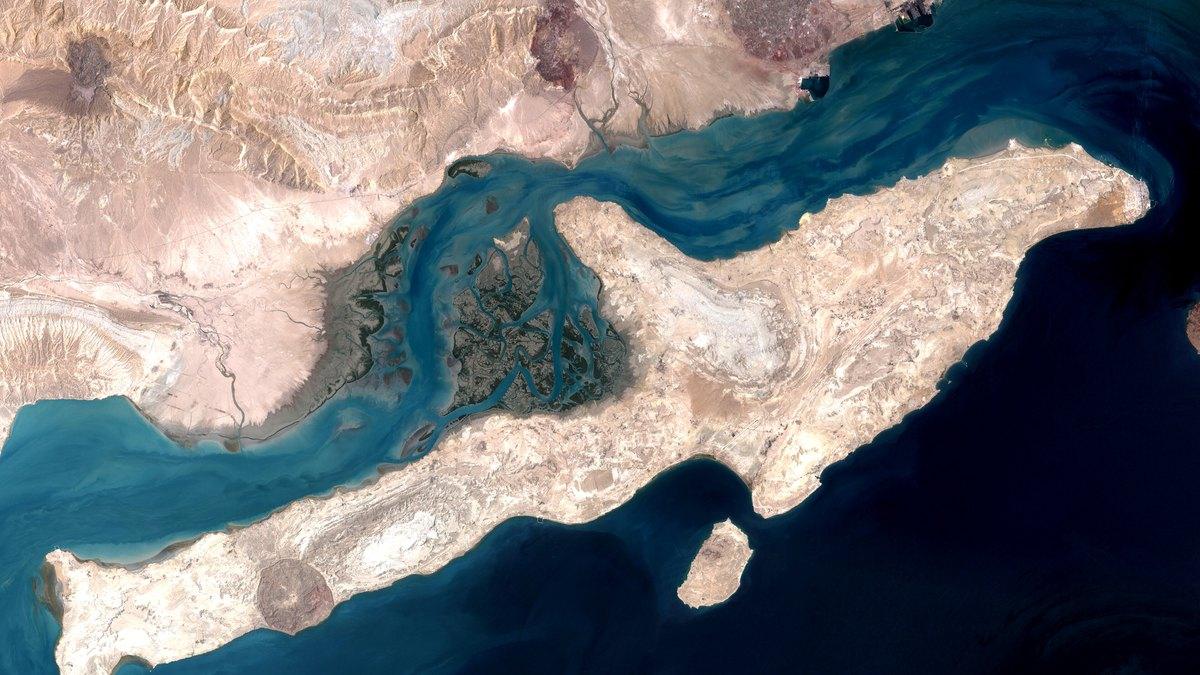
Explosions were heard in rapid succession on Qeshm, the largest island in the Persian Gulf, late on Monday, Iran's state news agency IRNA reported, citing witnesses who saw two aircraft over the island. The semi-official Fars agency said blasts were also heard in the port city of Bandar Lengeh, in the direction of the sea. The Wall Street Journal was first to report that the US military had carried out the strikes, citing US officials.
The Associated Press, ABC News and CBS, the BBC's US partner, later cited US officials who described the action as limited and defensive. One official told the AP that targets were "Iranians using surface-to-air missiles against US assets"; others said it was a response to Revolutionary Guard fire on a US aircraft over the strait. A US official told Fox News the strikes were not the start of expanded operations. According to ABC, officials said earlier limited strikes in recent weeks had deliberately not been publicised, so as not to suggest a return to large-scale combat. The Pentagon referred questions to US Central Command, which did not respond to requests for comment; USA Today noted that CENTCOM had not publicly disclosed any strike on Iranian military targets since 1 September.
Earlier on Monday the Revolutionary Guard claimed it had captured two US reconnaissance drones south of Qeshm and shot down an MQ-9; a US official dismissed part of that claim as false, according to ABC. There was no immediate official comment from Tehran on the strikes.
The strikes came a day before the US midterm elections and amid intensive diplomacy. The war began in February, when the United States and Israel attacked Iran. Iranian Foreign Minister Abbas Araghchi said "very intensive" talks were under way through mediators and that Tehran was ready for both diplomacy and military scenarios. President Donald Trump, who said earlier on Monday that he was in "no rush" to escalate, suggested a deal could come soon, while also saying the US might need to hit a site linked to Iran's nuclear programme.