Iran says more tankers hit mines in the Strait of Hormuz as UK monitor reports two attacks on ships
Iran's Revolutionary Guards said on Monday, 16 November, that two oil tankers struck naval mines and caught fire in the southern Strait of Hormuz, while the UK Maritime Trade Operations centre separately reported two attacks on tankers in the waterway. None of the Iranian claims could be independently verified.
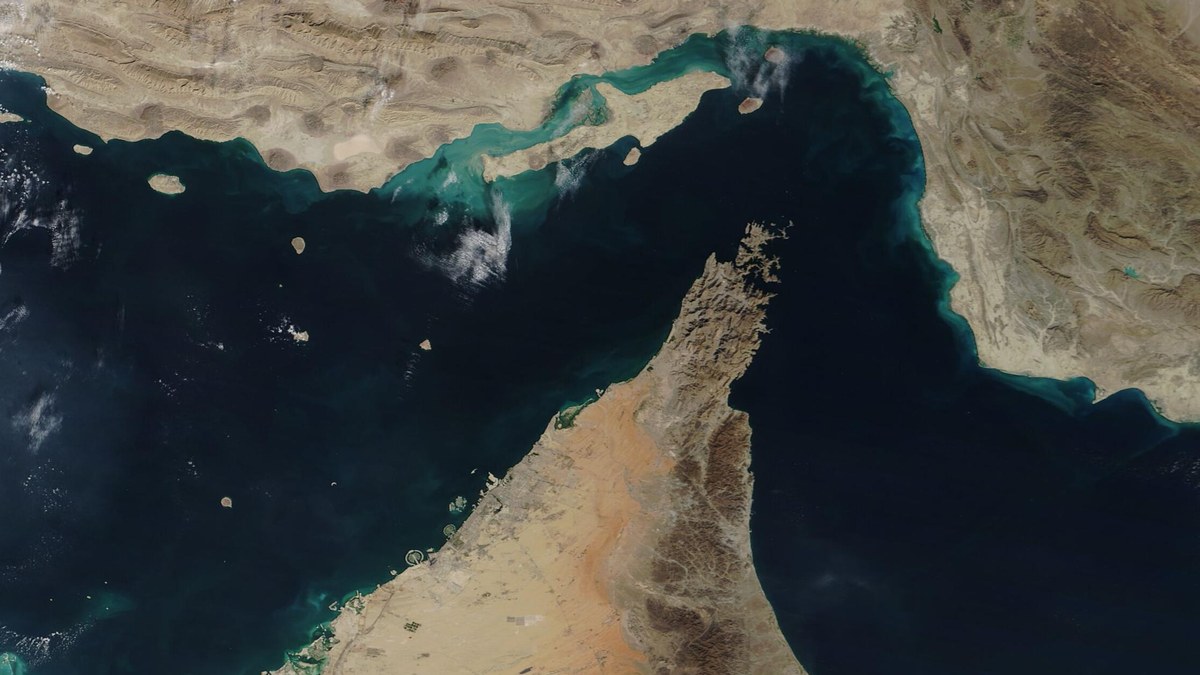
Iran's Islamic Revolutionary Guard Corps (IRGC) Navy said on Monday, 16 November 2026, that two oil tankers had struck naval mines and caught fire while trying to cross the southern part of the Strait of Hormuz along a route that Tehran considers unauthorised. Separately, Iran's regular navy said a third tanker had caught fire and been immobilised after hitting a mine in restricted waters east of the strait, Al Jazeera and Reuters reported.
Iranian authorities did not name the vessels, give their flags or say whether anyone was hurt, and the claims could not be independently verified. In a statement quoted by Pakistan's Dawn newspaper, the IRGC's public relations office alleged that the ships had been operating under the direct guidance of US officers and with support from American fighter jets, and claimed that six tankers had caught fire and were sinking in the waterway since Sunday. No evidence was offered for those figures.
What was confirmed by an independent monitor was more limited, but still serious. The United Kingdom Maritime Trade Operations (UKMTO) centre, which collects reports from merchant ships in the region, reported two attacks on tankers in the strait on Monday. In the latest, a tanker was disabled and an engine room fire broke out after an attack about seven nautical miles (13 km) north of Khasab, in Oman's Musandam governorate. Earlier, another tanker had been struck by an unidentified projectile as it sailed out of the strait, also causing an engine room fire. No casualties were reported, and it was not clear whether either incident was linked to the mine strikes claimed by Iran.
The new claims follow a statement on Sunday, 15 November, in which the Guards said that a supertanker carrying more than two million barrels of crude oil had sunk after striking a mine in the southern Gulf, AFP reported. That claim was not independently confirmed either. UKMTO said at the time that it was aware of a report from Indian shipping authorities of an attack on a tanker in the Gulf, with the crew safe but the damage and environmental impact unknown. The IRGC also said the ships had been travelling with their navigation and automatic identification systems switched off, according to Anadolu Agency.
The incidents are part of a pattern that has made the strait one of the most dangerous stretches of water in the world. The International Maritime Organization recorded 136 security incidents involving vessels in the Strait of Hormuz and the wider Middle East between 1 March and 11 November, including 35 in October alone, Al Jazeera reported. Since the war began with US and Israeli strikes on Iran on 28 February, Tehran has heavily restricted traffic and insisted that ships use routes it authorises. The United States responded with a naval blockade of Iranian ports and escorts for tankers, and the US military recently said it had cleared mines from the main shipping routes.
Why it matters: the Strait of Hormuz normally carries about a fifth of the world's oil. Every claimed sinking or fire raises insurance costs for shipowners and adds to the risk premium in oil prices, which feeds through to fuel and heating bills far from the Gulf, including in Europe. Even so, markets reacted calmly on Monday: Brent crude fell 3.8% to about $92 a barrel, as traders focused on expectations of oversupply and a recovery in flows through the strait, Reuters reported. Analysts have warned that a single confirmed loss of a large tanker could quickly reverse that trend.
There was also an environmental dimension. A supertanker carrying two million barrels would, if the Iranian claim were accurate, represent a potential spill in a shallow, enclosed sea that supplies desalinated drinking water to millions of people along the Gulf coast. No oil slick had been confirmed by independent sources by Tuesday morning.
The maritime alerts came alongside other signs of strain on the region's energy infrastructure. Warning sirens sounded at the Khor Mor gas field in Iraq's Kurdistan region on Monday after a drone flew overhead, Reuters reported, citing security sources; production there had already been halted the previous week after a suspected drone attack. The same day, the aircraft carrier USS Theodore Roosevelt arrived in the region, bringing to three the number of US carriers in the Central Command area, as diplomatic efforts to end the conflict and reopen the strait remained stalled.
Sources: Al Jazeera Staff and Reuters, 17 November 2026 (IRGC and Iranian navy claims, UKMTO reports, IMO figures, Khor Mor, USS Theodore Roosevelt) (https://www.aljazeera.com/news/2026/11/17/tankers-hit-in-strait-of-hormuz-as-drone-raises-alarm-at-iraq-gas-field); AFP via Arab News, 15 November 2026 (supertanker claim, US blockade, mine clearance) (https://www.arabnews.com/middle-east/two-tankers-on-fire-after-hitting-naval-mines-in-the-strait-of-hormuz-irans-irgc-says-3012053); Anadolu Agency, 15 November 2026 (transponders switched off, war timeline); Dawn, 16 November 2026 (IRGC allegations about US guidance); Reuters markets report, 16 November 2026 (oil prices). Photo: NASA satellite file image of the strait.