Spain's transport minister Óscar Puente resigns six days after the Urda train disaster
Spain's transport minister announced his resignation at the end of a four-hour hearing in Congress, saying he could not stay in office after two deadly rail accidents in less than a year. He also withdrew from the Socialist list for the 29 November general election.
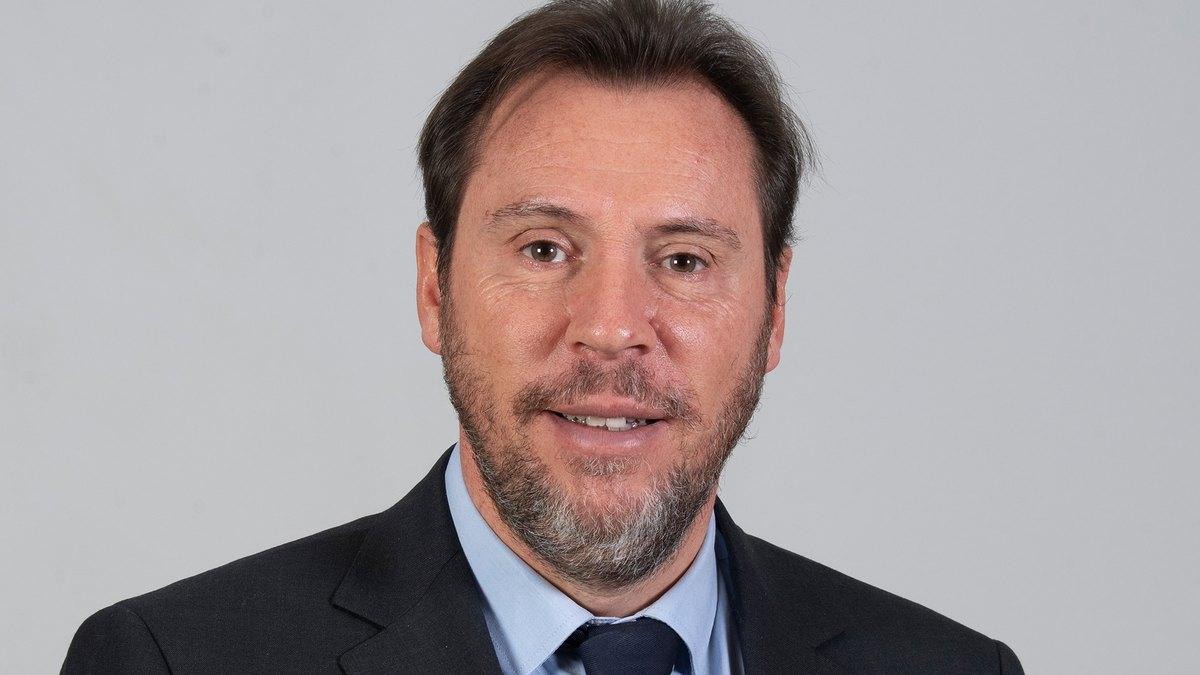
Spain's Transport Minister, Óscar Puente, resigned on Tuesday evening, 3 November, six days after the high-speed train collision near Urda, in the province of Toledo, which killed 69 people.
He made the announcement at the very end of a four-hour appearance before the Permanent Deputation of the Congress of Deputies, where he had presented the first findings and new rail safety measures and had faced calls to quit from almost every parliamentary group except EH Bildu. "A transport minister of a country like Spain cannot remain in office with two accidents of this gravity in less than a year, however different they may be and whether or not he bears direct responsibility," he told lawmakers, calling the decision "a matter of political dignity, coherence and empathy with the victims".
Puente said he had made up his mind in the first minutes after he learned of the crash on 28 October, while on his way to the Adif control centre, and that he told his family first. He chose to say so publicly only after the most urgent work was done: initial inquiries into what happened, first measures to compensate the victims and short-term steps to improve rail safety. In recent days he had repeatedly denied that he would leave.
The minister also withdrew from the Socialist (PSOE) ticket for the early general election on 29 November, where he was due to head the list for Valladolid. Spanish media reported that he told Prime Minister Pedro Sánchez only minutes before speaking in Congress. Sánchez had earlier turned down an offer to resign, telling him it would be unfair; afterwards the prime minister praised him for acting "out of dignity" and "out of respect for the victims".
Urda was the second fatal accident on the Madrid–Seville high-speed line in under a year: a January crash at Adamuz, in Córdoba province, killed 46 people, bringing the toll of the two disasters to 116. The opposition People's Party and Vox had demanded his resignation, as had some of the government's own allies, and the opposition criticised him for appearing to point to human error before the investigation was complete.
The resignation lands in the middle of the election campaign and is widely seen in Spain as a political blow for the Socialist-led government, which has acknowledged that public confidence in the high-speed network has been shaken.
Two high-speed trains collide in central Spain: at least 69 dead, carriages fall down embankment