US midterms 2026: America votes on Tuesday for control of Congress. What to watch, and when results come in
Americans vote on Tuesday, 3 November, in midterm elections that will decide control of Congress for the last two years of Donald Trump's term. All 435 House seats, 35 Senate seats and 36 governorships are on the ballot, along with 145 statewide ballot measures. Democrats need a net gain of four seats in both chambers to overturn the Republican majorities of 218-214 in the House and 53-47 in the Senate, Reuters notes. They are widely expected to win the House, while the Senate is close. More than 54 million people had already voted early. This article will be updated with results as they come in.
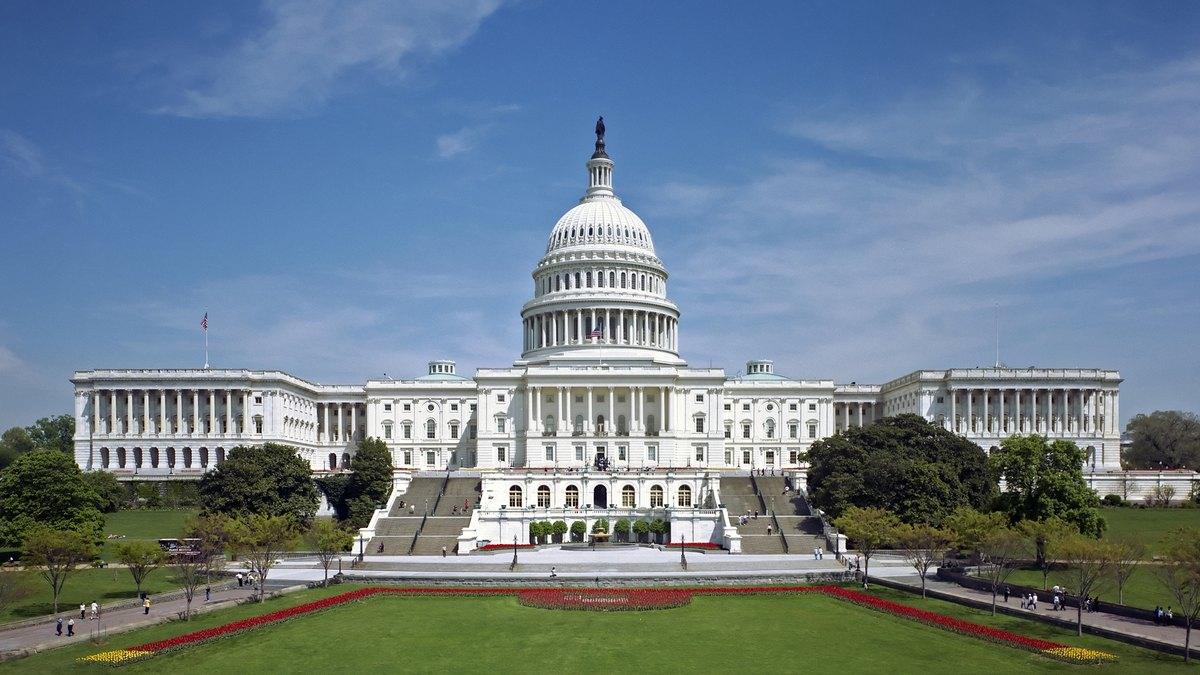
PREVIEW, 2 November, 21:00 Romania time: Americans go to the polls on Tuesday, 3 November, in the first nationwide test of Donald Trump's second term. The midterms will decide who controls the House of Representatives and the Senate for the final two years of his presidency. All 435 House seats, 35 of the 100 Senate seats and 36 governorships are up for election, and voters in many states will also decide 145 statewide ballot measures, Fox News counts.
Republicans hold narrow majorities: 218-214 in the House and 53-47 in the Senate. Democrats need a net gain of four seats in each chamber to take control, Reuters notes. In the Senate, a gain of only three would produce a 50-50 split, and Vice President JD Vance would break ties in the Republicans' favour. Most of the 22 Senate seats the Republicans are defending are in states Trump won easily in 2024, according to CBS News. Polls show the war with Iran and the cost of living weighing on the party in power.
Forecasts favour the Democrats in the House and see a close fight for the Senate. The latest CBS News House model has Democrats on pace to win 229 seats, enough for a majority. The final Fox News Power Rankings rate Senate control a toss-up, with Democrats favoured in 48 seats and Republicans in 47; depending on how the night goes, Democrats could end up with as many as 54 seats or Republicans could keep up to 52. On the Kalshi prediction market, traders gave Democrats a 74% chance of winning the Senate and 94% for the House as of noon New York time on 2 November. These are forecasts and bets, not results.
The Senate races to watch: in Michigan, Republican Mike Rogers faces Democrat Abdul El-Sayed for an open Democratic seat, a race shaken this weekend when Democratic Rep. Haley Stevens endorsed Rogers. In Maine, Republican Susan Collins defends her seat against Democrat Troy Jackson. In Ohio, Republican Jon Husted faces former senator Sherrod Brown. In Texas, Republican Ken Paxton faces Democrat James Talarico. Iowa (Ashley Hinson vs Josh Turek), Kansas (Roger Marshall vs Adam Hamilton), Alaska (Dan Sullivan vs Mary Peltola) and South Carolina (Darline Graham vs Annie Andrews) are also in play. Democrats are defending Georgia (Jon Ossoff vs Mike Collins), New Hampshire (Chris Pappas vs John Sununu) and an open seat in North Carolina, where Roy Cooper faces Michael Whatley. CBS News' 30 October estimate rated Alaska, Maine, Michigan, Ohio and Texas toss-ups, Georgia, New Hampshire and North Carolina Lean Democratic, and Iowa, Kansas and South Carolina Lean Republican.
Early voting has been heavy. More than 54 million people had voted by mail or in person by Monday, according to the University of Florida Election Lab, close to the total early vote of the 2022 midterms. NBC News' tracker counted more than 56.1 million. An AP analysis last week found early voting well ahead of four years ago, especially in states with competitive Senate races; in Texas, more than 6.3 million people had voted early by Wednesday, up 50%. Early vote figures show who has voted, not who they voted for.
Governors and ballot measures: Republicans currently hold 26 governorships and Democrats 24. Fox News rates Alaska, Nevada, Georgia and Wisconsin as toss-ups. Among the ballot measures, California's Proposition 40 would impose a one-time 5% tax on the wealth of Californians worth more than $1 billion, mostly to pay for healthcare. Washington state voters decide whether to repeal a new 9.9% tax on income above $1 million a year. Missouri votes on repealing its abortion rights amendment, an Idaho initiative would overturn one of the strictest abortion bans in the country, and Virginia and Nevada decide whether to write abortion rights into their constitutions. Eleven states vote on voter ID or bans on noncitizen voting, and Alaska decides whether to repeal ranked-choice voting.
Tensions over the count: the Justice Department plans to send about 1,000 monitors to polling places, roughly triple the number at the last midterms, Reuters reports. Some local officials worry this could intimidate voters; the department calls those fears baseless. On 22 October the department sued to block Alaska from certifying its Senate result if the Republican incumbent narrowly loses. Republicans also had a large money advantage: Trump spent more than $277 million, mostly through his MAGA Inc. super PAC, and Elon Musk about $366 million over the cycle, according to Federal Election Commission data cited by Reuters.
When results come in: the first polls close at 6 p.m. Eastern time in parts of Kentucky and Indiana, which is 01:00 on Wednesday, 4 November, in Romania. Georgia, Virginia, South Carolina and most of Florida follow an hour later. The last polls close in Alaska at 1 a.m. Eastern, 08:00 in Romania. Early House results in Kentucky's 6th district and in Republican-held seats in Florida and Virginia could show how big any Democratic gains will be, Fox News and Reuters note. Several states are unlikely to finish counting on election night, so control of one or both chambers may not be clear for some time. We will update this article as races are called.