Russia demands NATO pullback from Romania, Poland and the Baltics after Abu Dhabi talks end without a peace deal
The latest US-mediated talks between Russia and Ukraine in Abu Dhabi ended with a large-scale prisoner exchange but no breakthrough on peace, El País reported. Moscow put a demand for NATO to withdraw troops, air defences and bases from allies that joined after 1997, including Romania, on the table.
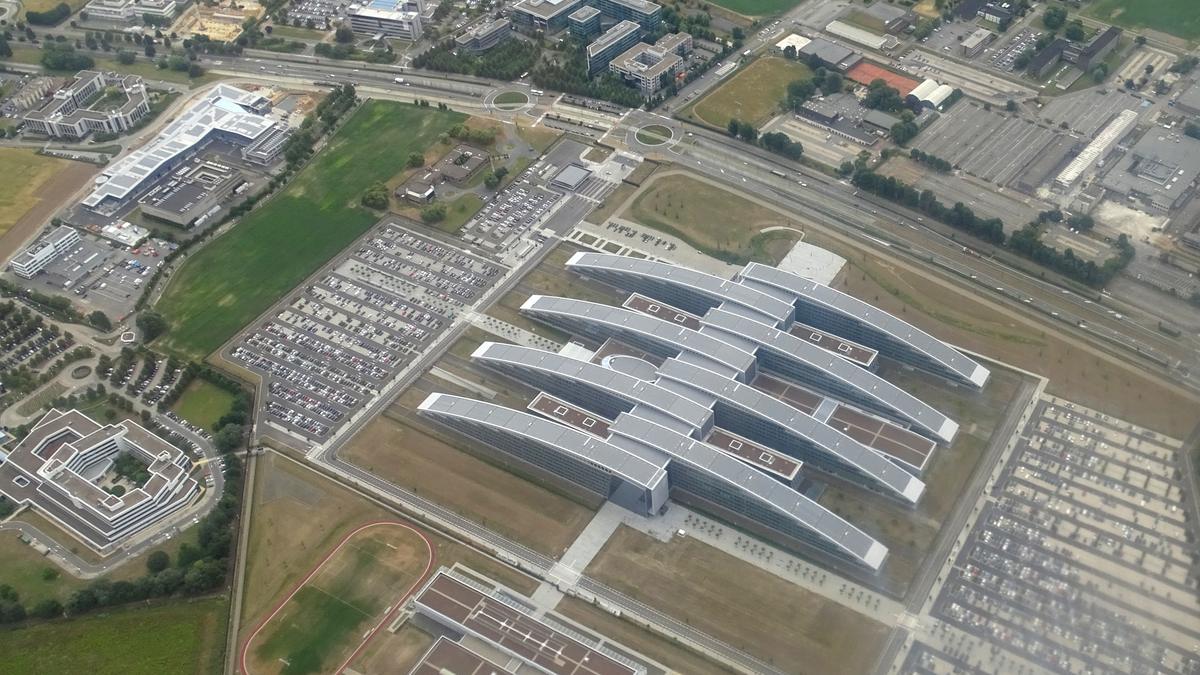
Talks between Russia, Ukraine and the United States in Abu Dhabi ended on Wednesday, 11 November 2026, without a peace agreement. El País reported that the main result of the two-day round was a large-scale exchange of prisoners of war, and that the Kremlin also succeeded in placing the future of NATO in Europe on the agenda, as part of a proposed new security system for the continent.
Besides repeating its demand that Ukrainian territory be handed over to Russia, Moscow inserted a demand for NATO to withdraw from Eastern Europe into the Ukraine peace talks, El País reported — a demand Russian diplomats first raised in 2021, months before the full-scale invasion. The aim, the newspaper said, is that the Alliance withdraw all troops, air defences and bases that protect the Baltic states, Poland, Romania and other allies that joined NATO after the signing of the 1997 NATO-Russia Founding Act, even though that document contained no limit on new countries joining the Alliance.
Vladimir Medinsky, who led the Russian delegation, said the sides had found "mutual understanding on some aspects, but not on others" and would "work on it," El País reported. Talks on a European security framework did not include representatives of NATO, the European Union or other member states, at Russia's express request. Those delegates were in Abu Dhabi but met separately only with the American and Ukrainian sides, the newspaper said. Medinsky said the Europeans could take part in the peace talks "as soon as [they] wake up."
On Thursday, US envoys Jared Kushner and Steve Witkoff met President Vladimir Putin in Moscow, then flew to Dublin to brief Ukrainian President Volodymyr Zelensky, the BBC reported. Putin said Russia's position on the war — and its demand for territory — had not changed, according to the BBC. The BBC later reported that Kushner said the prisoner exchange agreed by Russia and Ukraine would return "thousands of people to their families," and described it as the largest swap since the 2022 full-scale invasion; numbers and a timetable were not published.
Zelensky welcomed a pledge from the US envoys to include European Union delegates in the next round of talks, which he said would give the EU a "voice" in the negotiations, the BBC reported. Kushner said he had stressed to Putin the importance of having European delegates "at the table" and that Putin was "willing to give it a try."
In Dublin on Thursday, Irish prime minister Micheál Martin told about 50 leaders at a summit of the European Political Community that Europe's security environment had been "fundamentally reshaped" by "Russia's brutal war of aggression in Ukraine." "What is happening in Ukraine goes against all of our values and all of what we stand for," he said, the BBC reported. He also told reporters that many EU member states "feel an existential threat because of what has happened in Ukraine and the potential, if Ukraine was to fall, for further aggression on the European continent."
Addressing the same summit, Zelensky said Europe needed to "pay attention" when the United States and Russia discuss security guarantees. "It's not just about security guarantees for Ukraine in fact it's more about some kind of new security framework between Europe and Russia and we find this approach a bit strange," he said, according to the BBC.
As the US envoys arrived in Moscow, Zelensky said Ukrainian forces were again facing "systematic speed restrictions" on Starshield, the military version of SpaceX's Starlink satellite service, the Financial Times, Politico and CNBC reported. He said the limits, in place for several days along the front line and over territory occupied by Russia, cut connectivity for terminals moving faster than 161 kilometres per hour (100 mph) and made it harder to intercept Russian jet-powered drones. Senior Ukrainian officials told the Financial Times they believed the restrictions were intended to pressure Kyiv during the latest talks with Russia. Similar limits were reported last month and later eased, after Elon Musk and the Trump administration publicly contradicted one another over who was responsible, the Financial Times and CNBC reported.