FinCEN is investigating a cybersecurity incident and has taken some systems offline
FinCEN, a U.S. Treasury bureau, said on 24 November 2026 that it is investigating a cybersecurity incident that resulted in unauthorised access to a limited subset of its systems, The Verge reported, quoting an official alert. The bureau has not said whether any data was taken.
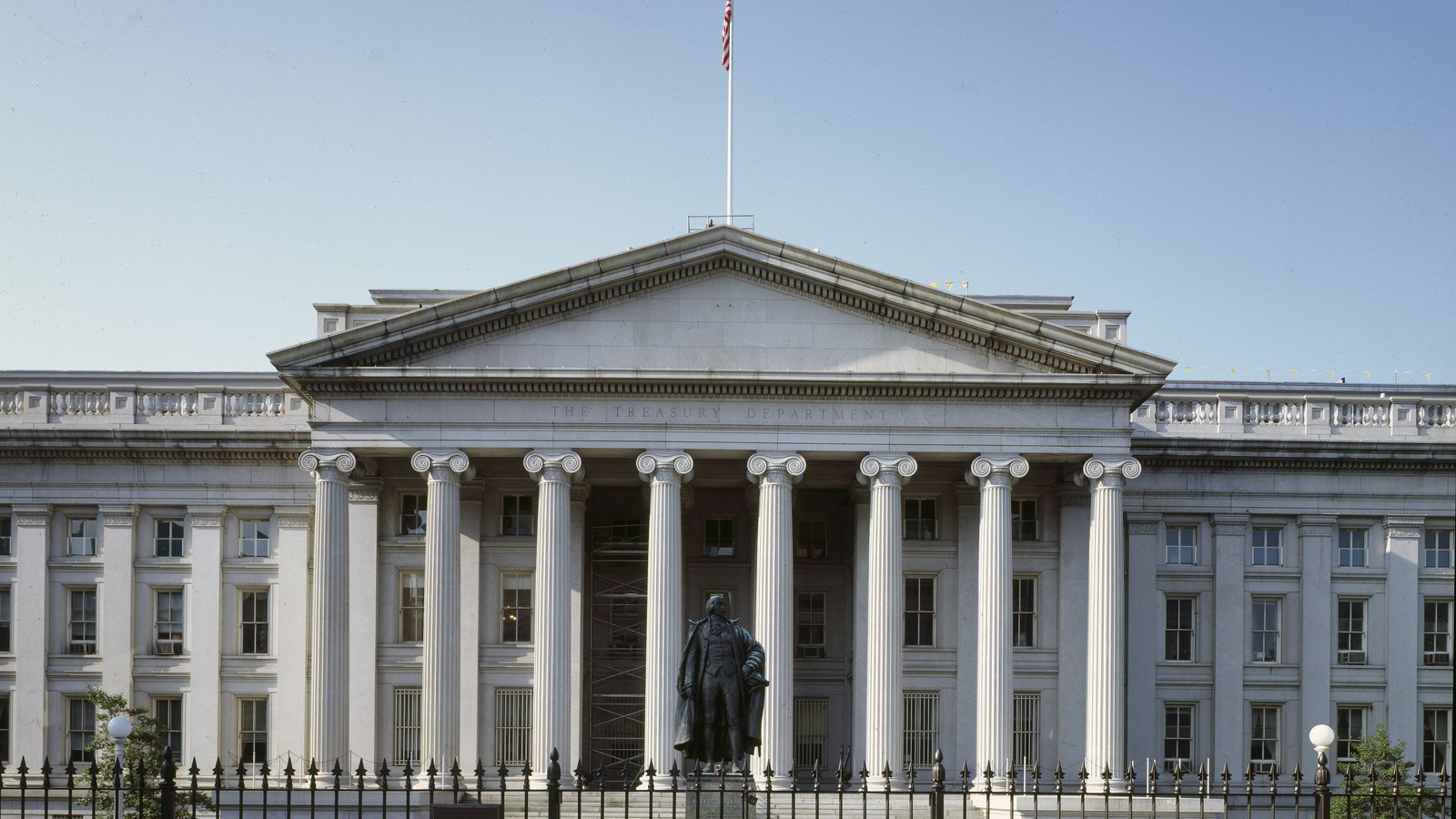
The Financial Crimes Enforcement Network, the U.S. Treasury bureau that collects banks’ suspicious-activity reports, said on Tuesday, 24 November 2026, that it is investigating a “cybersecurity incident” that “resulted in unauthorized access to a limited subset of its systems,” according to an alert on its Bank Secrecy Act e-filing site reported by The Verge. FinCEN has taken some systems offline as a precaution. At the time of writing, early on Wednesday, 25 November, in Europe/Bucharest (EET, UTC+2), the bureau had not said who was responsible, when the intrusion took place, which systems were reached, or whether any data was taken.
The Verge, in an article published at 01:00 UTC on 25 November (03:00 EET), quoted FinCEN’s alert and wrote that the bureau had offered no information about the full scope or the source of the breach. That is a narrower claim than some social-media posts suggested. FinCEN is a bureau of the Treasury Department, but neither The Verge nor FinCEN’s own public notices described a department-wide compromise of the Treasury. The alert, as reported, referred to unauthorised access to a limited subset of FinCEN systems.
FinCEN has also not said whether the records at the core of its work were touched. The bureau’s job is to safeguard the financial system from illicit activity, including money laundering and the financing of terrorism, by collecting, analysing and sharing financial intelligence. It holds reports of suspicious activity that banks and other institutions file under the Bank Secrecy Act, and it maintains financial-transaction data that it distributes for law enforcement. Those holdings are sensitive. The fact that they sit at FinCEN does not, on the evidence published so far, mean that they were accessed or stolen. The bureau has not confirmed any theft of data.
Operationally, the disruption appears partial. The Verge reported that, according to the same alert, banks can still file suspicious-activity reports online, though some services may not be immediately available. Filers who need to get information to law enforcement quickly can use the Financial Institutions Hotline, which FinCEN said was not affected by the disruption. The number published in a related official order is 1-866-556-3974.
On the same day, FinCEN issued order FIN-2026-R002, a formal notice granting “temporary, limited exceptive relief in response to a service disruption that is hindering filers’ ability to adhere to reporting obligations.” The order, posted on FinCEN’s website, does not mention a cybersecurity incident. It applies to financial institutions that, as of 18 November, used Secure Data Transfer Mode (SDTM) to submit Bank Secrecy Act reports, and to companies and individuals required to file beneficial-ownership information reports or update a FinCEN identifier. Submissions that would have been due between 18 November and 29 December 2026 may instead be filed by 30 December. FinCEN said it may modify or extend the order.
The bureau was careful, in that order, to say that other anti-money-laundering and counter-terrorist-financing duties still apply, including ongoing monitoring for suspicious transactions. Because the order speaks only of a “service disruption,” and because the relief reaches back to filings due from 18 November — six days before the public alert — it would be a mistake to treat the document as proof of when any intrusion began, or as official confirmation that the filing problems were caused by the cybersecurity incident. FinCEN has not made that link in the order itself.
The timing of the disclosure has drawn comparison with a separate report the same day. Hours earlier, The New York Times, citing U.S. officials, reported that the Central Intelligence Agency and the Office of the Director of National Intelligence had discovered a breach of an unclassified open-source intelligence analysis system. Today News Brief has reported that account, including an ODNI comment to Reuters that there had been “no disruptions to critical capabilities or classified systems.” The Verge noted the sequence and wrote that it was unclear whether the FinCEN incident was related. FinCEN has not linked its investigation to the intelligence-agency reports, and at the time of writing there was no public evidence that the two events were connected.
That distinction matters. Social posts circulated early on Wednesday describing a cyberattack on “the U.S. Treasury” hours after a CIA and ODNI breach, with hackers said to have reached systems that hold Americans’ bank-transaction data and suspicious-activity reports, forcing some offline. The confirmed record is more precise: FinCEN says unauthorised access reached a limited subset of its systems and that some systems were taken offline as a precaution; it has not identified the actor, the data involved, or any connection to the intelligence-agency incident.
At the time of writing, Reuters, the Associated Press, Bloomberg, The New York Times, The Wall Street Journal and CNN did not appear to have filed their own matching dispatches. The confirmation rests on FinCEN’s own wording, as reported by The Verge, together with the bureau’s official relief order and a same-day news release on that order. Until FinCEN or another primary authority says more — about the systems affected, whether records were copied, and whether the service disruption and the cybersecurity incident are the same event — those questions remain open.
Sources: The Verge (Lauren Feiner, 25 November 2026, 01:00 UTC), quoting a FinCEN alert on the BSA e-filing site; FinCEN Order FIN-2026-R002, issued 24 November 2026, and FinCEN’s news release of the same date on temporary exceptive relief; The New York Times and Reuters reporting on the CIA/ODNI unclassified open-source system, as previously reported by Today News Brief.