FBI investigating apparent breach of national crime database
The FBI is investigating an apparent breach of the National Crime Information Center, the nationwide database that police use for warrants, stolen property and background checks, people familiar with the matter told AP, NBC News and CNN. The bureau had not issued a public confirmation by Saturday and had not said whether any records were taken or changed, or who might be responsible.
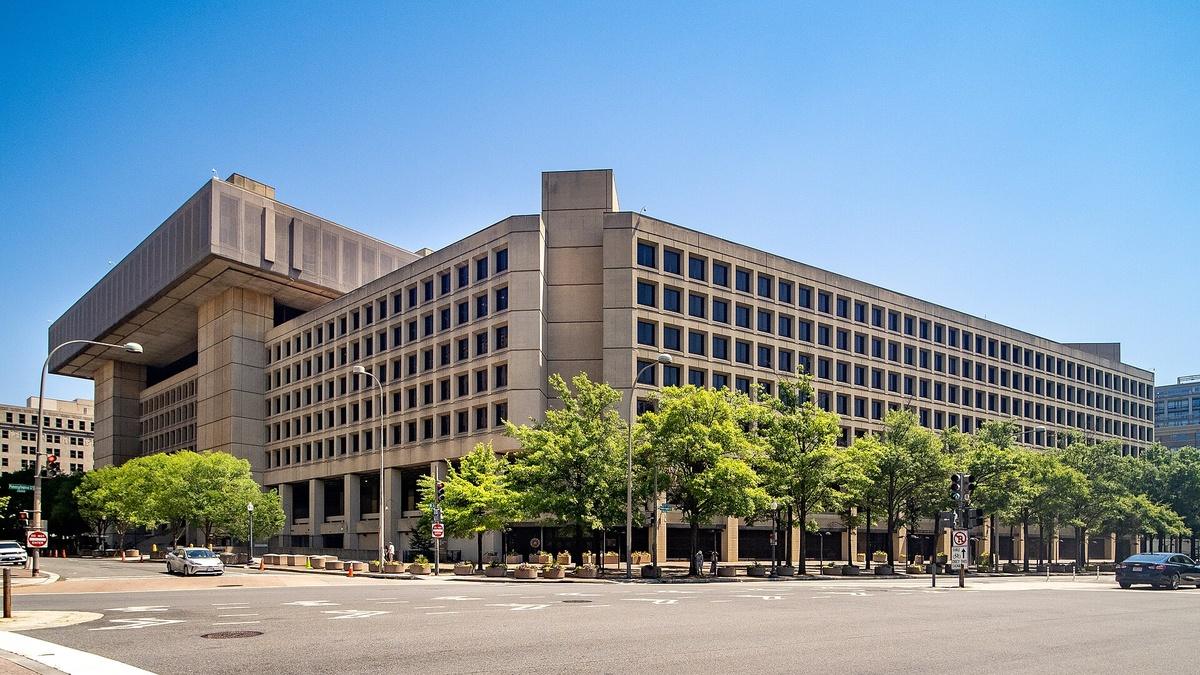
The FBI is investigating an apparent breach of the National Crime Information Center, the nationwide law enforcement database it maintains, people familiar with the matter told American news organisations on Friday and Saturday. The Associated Press, citing a person familiar with the inquiry, reported the investigation on Saturday. NBC News, citing two people briefed on the matter, and CNN, in a report by Evan Perez and Logan Schiciano that also cited two people briefed on the investigation, had earlier described the same inquiry. The bureau is the Federal Bureau of Investigation, the principal federal law-enforcement agency of the United States.
The FBI had not issued a public statement confirming the incident as of Saturday, 21 November 2026. It had no comment on Friday night, NBC News reported, and it did not immediately respond to requests from CNN, the BBC, BleepingComputer or Reuters, as relayed by CNBC. What has been reported so far is an investigation into an apparent or suspected intrusion, not a completed official finding. Accounts circulating online that treat a "major cyberattack" and a confirmed theft of records as established fact go further than the sourcing available on Saturday.
Basic questions remain unanswered in the public reporting. It is not clear when any intrusion began, how attackers might have gained access, or whether any records in the system were viewed, copied, altered or deleted. No group has been publicly identified as responsible, and people briefed on the inquiry have not, in the accounts published by CNN, NBC, AP and BleepingComputer, named a suspect or a method of entry. BleepingComputer, which contacted the FBI on Friday evening and had not received a reply, also noted that it was unclear whether the system's availability to police departments had been affected.
The database at issue is the National Crime Information Center, known as NCIC. It is not a general public website. According to the FBI's own law-enforcement description of the system, NCIC contains records contributed by, and accessible to, criminal justice agencies across the United States. The bureau's Criminal Justice Information Services Division, known as CJIS, serves as the custodian of those records. The system is available to authorised agencies 24 hours a day, and the FBI says it serves more than 100,000 criminal justice and law enforcement partners. As of 2023, the bureau said, NCIC had 22 files with more than 18 million active records and handled millions of transactions each day, with a millisecond response time. The FBI launched NCIC in 1967. It has been called the lifeline of law enforcement.
Officers use the system most recognisably during routine traffic stops, the FBI says, to learn almost at once whether a driver is wanted or a vehicle is stolen. The information can also help agencies find fugitives, locate missing persons, identify convicted sex offenders, and recover stolen property. The official description is careful on one operational point: a positive response, or "hit," does not by itself establish probable cause for an arrest. Agencies must confirm that a record is accurate and up to date before acting on it. Complete, accurate and timely entries, the bureau says, are essential to officer and public safety.
The 22 files are split between property and persons. The property files include records on articles, boats, guns, licence plates, securities, vehicles and vehicle or boat parts. The persons files include wanted people, missing and unidentified people, protection orders, the National Sex Offender Registry, immigration violators, gangs, identity-theft victims and a Violent Person File, among others, according to the same official FBI page. Those categories explain why an apparent intrusion, even before any theft or alteration is confirmed, is treated as serious by people who know the system. A former FBI official who led investigations into cybercriminal groups told CNN that officers rely on NCIC every day for information that can affect officer and public safety. The official's concern, the network reported, was not only whether hackers might have seen sensitive information, but whether they could compromise the accuracy of the records that officers use.
CNN reported that bureau officials learned of the incident on Thursday, 19 November, and that FBI Director Kash Patel appeared on Fox News the same day to discuss the bureau's cybersecurity work, including an operation known as Winter Shield. CNN did not report that Patel addressed the NCIC inquiry in that appearance. On Saturday, President Donald Trump, asked about the matter in a telephone interview with Fox News, said he had "just heard" about it, the BBC reported. "I will say that it's not good — I don't like that," he said, according to CNN. He added, in the same interview, that "maybe we'll learn things that we would have never learned otherwise," before turning to his long-running complaints about the FBI's investigation of Russian interference in the 2016 election, remarks that are not about the NCIC system itself. CNN said the president declined to share specific information on the intrusion.
The NCIC inquiry is not, on the public evidence, the same event as an earlier FBI incident this autumn. In September, the extortion group ShinyHunters claimed to have stolen sensitive data related to the bureau's jobs website, FBIJobs.gov. The FBI said at the time that it was investigating the claim. Reuters later reported, citing sources and a senior FBI official, that a third-party contractor had failed to apply a security patch on the affected recruitment platform, which sources identified as an Oracle PeopleSoft system managed by Accenture, and that the FBI had removed an Accenture contractor. That earlier case involved personnel and applicant information, not the crime database that police query in the field. BleepingComputer reported that there was no indication the latest NCIC incident was connected to ShinyHunters or to that jobs-site breach. No official statement reviewed for this article has linked the two.
The reports also landed in a week of other technology disruptions in the United States, which should be kept distinct. NBC News, citing people with knowledge of the matter, said a classified internal network at the National Security Agency had suffered a multi-day outage after a technical problem during maintenance, and that there was no sign that outage was a cyberattack. Officials have likewise said that a series of wider tech outages last week, which affected banks and air traffic control, were not caused by cyberattacks, the BBC and NBC reported. Separately, NBC said employees at the U.S. Department of Agriculture were told that a system used to pay farmers had been targeted in an apparent cyberattack; the USDA had not publicly commented in that report. Those episodes add to the atmosphere in which the NCIC reports were published. They are not, in the sourcing available, the same investigation.
Until the FBI, the Justice Department or another official body describes what happened, the careful account is the one given by the news organisations that have spoken to people briefed on the inquiry: the bureau is investigating an apparent breach of NCIC, a system that sits at the centre of everyday American policing, and it has not yet said in public whether records were taken or changed, or who, if anyone, got in. Those are the questions that will matter most for police departments that rely on the database, and for the public whose names, warrants and property records it holds.
Sources: Associated Press (21 November 2026, person familiar with the matter); NBC News (Ryan J. Reilly, Colleen Long and Kyla Guilfoil, 20 November 2026, two people briefed on the matter); CNN (Evan Perez and Logan Schiciano, 21 November 2026, two people briefed on the investigation, and a former FBI official); BBC News (Jaroslav Lukiv, 21 November 2026); BleepingComputer (Lawrence Abrams, 21 November 2026); CNBC (21 November 2026, citing CNN and a Reuters request for comment); FBI, National Crime Information Center, official law-enforcement description (system purpose, history, files and figures as of 2023); Reuters (Jana Winter and Raphael Satter, 6 October 2026) and CNN (22 September 2026), on the earlier FBIJobs.gov / ShinyHunters case.