US intelligence chief warns of more 'bumps in the road' after FAA, Microsoft and bank outages
US Director of National Intelligence Jay Clayton said on CNN on Sunday, 22 November 2026, that Americans should expect "bumps in the road" as companies and government patch and upgrade systems, after outages hit the FAA, Microsoft Outlook and banks. Officials say the incidents were unrelated and not a cyberattack. Treasury Secretary Scott Bessent compared the patches to a vaccine.
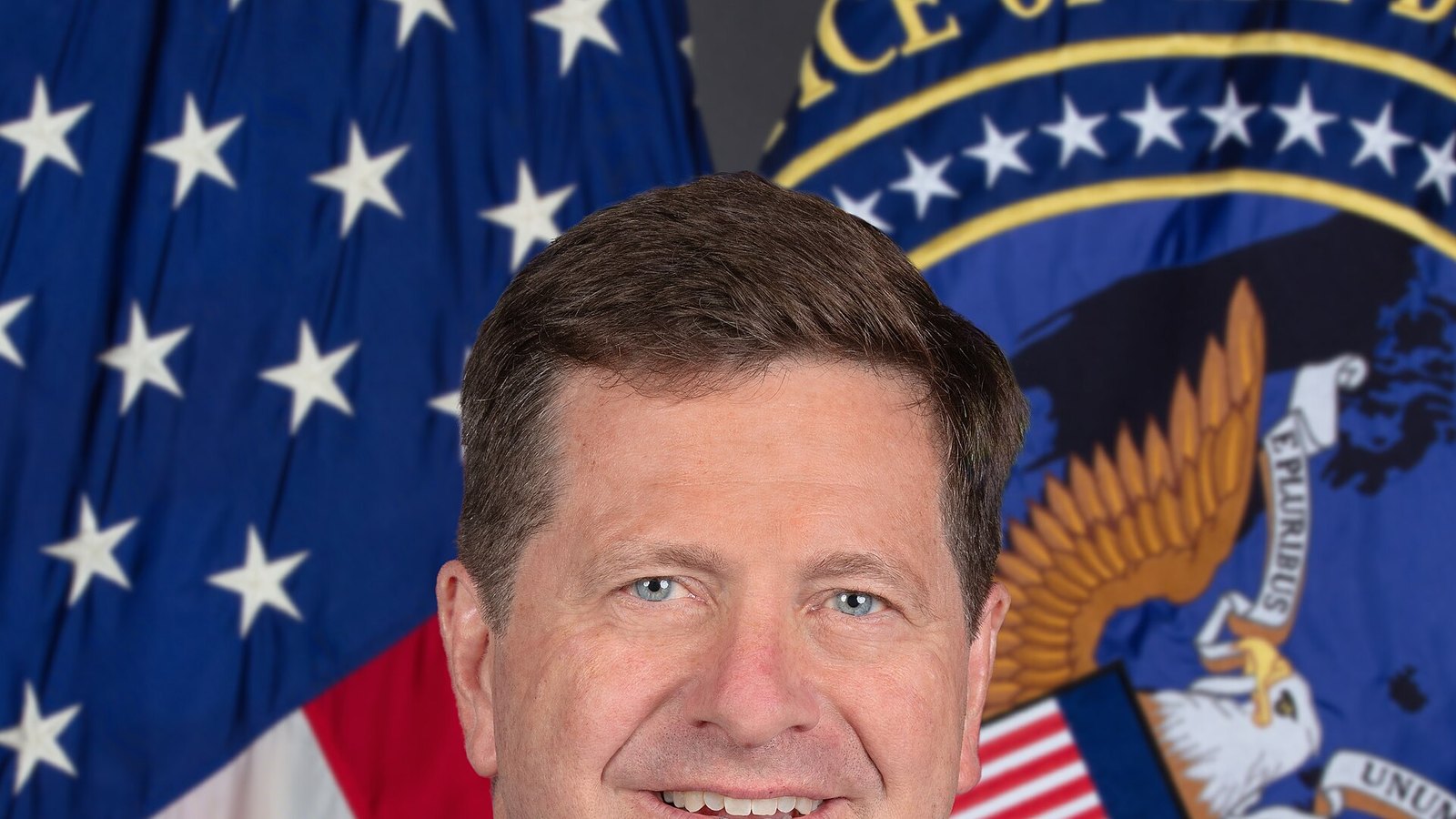
The US Director of National Intelligence, Jay Clayton, has told Americans to expect more "bumps in the road" as companies and government agencies upgrade their computer systems, after a series of outages disrupted air travel, email and bank transactions in recent weeks. Speaking on CNN's "State of the Union" on Sunday, 22 November 2026, Clayton said the country should be prepared for heavy investment in modernisation and cybersecurity, and for temporary interruptions while that work is done.
"The American people should be prepared for a great deal of investment in upgrading our systems; they should be prepared for investment in cybersecurity, and they should be prepared that any time there is a step change in technology, a step change in both compute and applications, there will be bumps in the road," Clayton said, as quoted by CNBC. "You prepare by knowing that systems are going to be upgraded; they may be interrupted for a period of time and that companies and government are dealing with this on the front foot."
The comments come four days before Thanksgiving, one of the busiest travel weeks of the year in the United States, and just over a week after a technology failure triggered a nationwide ground stop that held flights for hours. The Federal Aviation Administration has said router upgrades caused a flood of data that led to the ground stop, and that there was no indication of a cyberattack. Separately, Microsoft said a major Outlook outage was caused by "an issue during an earlier network capacity upgrade", and transactions at large banks, including JPMorgan, were slowed by other disruptions.
The administration's line has been consistent since the middle of the month. In remarks collected by the White House on 18 November, Clayton and Secretary of State and National Security Adviser Marco Rubio said they saw no sign of a coordinated cyberattack or state-sponsored activity behind the incidents. "This is not a cyberattack, and this is not a coordinated effort by a nation state," Clayton said then. Rubio said there was "no indication, no evidence, and no reason to believe at all" that the FAA, Microsoft and bank problems were related to each other.
What officials describe instead is a wave of patching. According to Clayton, many institutions are taking systems down to fix vulnerabilities that are now being found much faster, partly because automated tools can scan code at a scale that was not possible before. When the upgraded systems come back, they do not always behave as expected, and hand-offs between interconnected systems can fail. "This is just an upgrade in patching, an upgrade in systems," he said, adding that legacy systems are handling more and more traffic.
Treasury Secretary Scott Bessent delivered a similar message on CBS's "Face the Nation". Asked whether Americans should worry about the security of their banks, he said: "No, they shouldn't." He compared the patches to a vaccine: "Your arm may hurt, you may feel a little bad the next day, but it increases your long-term immunity and resiliency."
The explanation is plausible, but it also raises questions that the officials did not fully answer. If a large share of critical systems needs urgent fixes at the same time, the risk shifts from attackers to the change process itself: testing, staged roll-outs and fallback plans become as important as the patches. Aviation is the clearest example. A ground stop affects hundreds of thousands of passengers within hours, which is why airlines and the FAA will be under pressure to avoid risky upgrades during the Thanksgiving peak. For businesses outside the US, including in Europe, the lesson is similar: patching quickly is necessary, but so are maintenance windows and the ability to roll back.
For travellers, the practical advice is simple: check flight status before leaving for the airport, keep airline apps updated and allow extra time. For bank customers, officials insist there is no sign that accounts or data were compromised. Whether the coming weeks are quiet will be the real test of Clayton's reassurance that the country will "come out the other side much better".
Sources: CNBC, 22 November 2026, quoting CNN's "State of the Union" and CBS's "Face the Nation"; The White House, 18 November 2026; Federal Aviation Administration, nationwide ground stop Q&A.