SRI says it stopped a Russian Turla cyberattack on a Romanian government institution
Romania’s SRI said on 11 November 2026 that its National Cyberint Centre detected in December 2025 and stopped a cyberattack by Russian group APT Turla on a government institution. It found no sensitive data exfiltration.
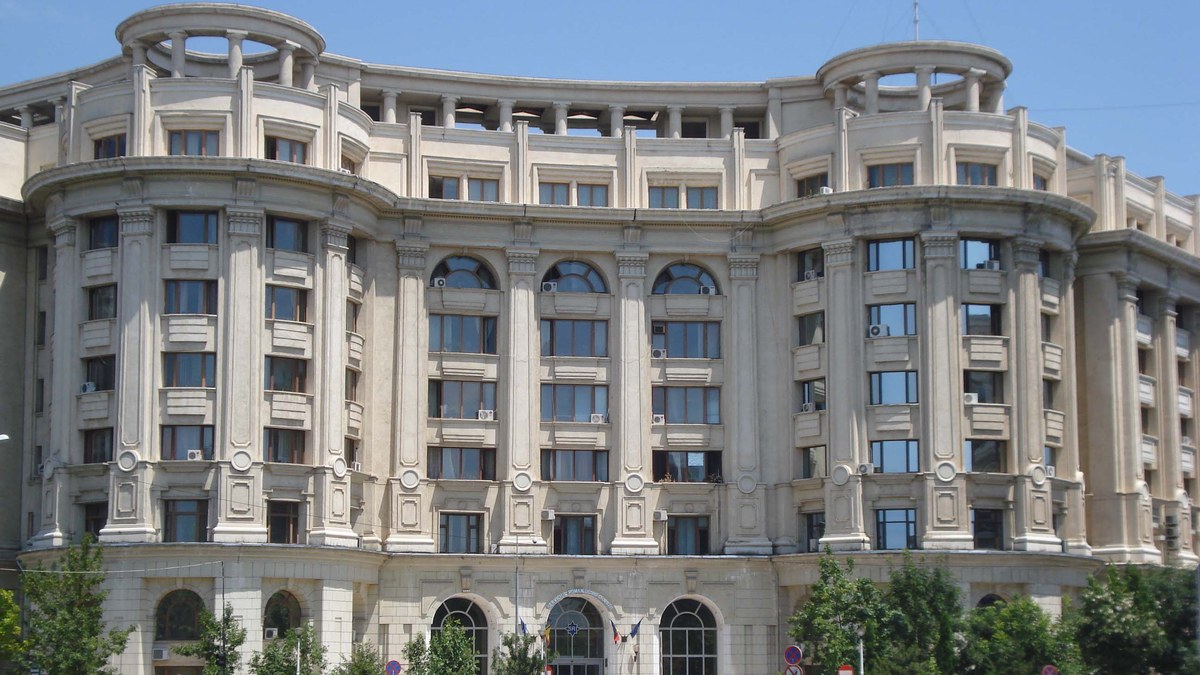
The Romanian Intelligence Service (SRI) said on Wednesday, 11 November 2026, that its National Cyberint Centre identified in December 2025 a cyberattack on a Romanian government institution carried out by the Russian cyber actor APT Turla, and that the attack was stopped. The service did not name the institution.
According to the SRI statement, the attackers exploited a series of systemic vulnerabilities in Microsoft operating systems. The SRI said no exfiltration of sensitive data was identified and that the affected email service was restored. It added that it informed its legal beneficiaries and cooperated with European intelligence partners and with partners at EU and NATO level, and that it is running investigations into other operations linked to cyber campaigns by the Russian Federation, Reuters, Mediafax and Adevărul reported.
The statement followed a report by the Slovak security firm ESET, which described a toolset it calls “Cereal”. According to ESET, one component, CerealBox, was configured to watch email sent to or from nato.int and europa.eu addresses. ESET attributes the activity with high confidence to Turla, a group Reuters described as linked to Russia’s FSB security service, and says a similar case affected a government body in Kazakhstan. ESET said the Romanian organisation had been compromised since at least 23 December 2025, with attacker activity increasing from 20 January 2026.
Russia’s embassy in Romania did not immediately respond to a request for comment, Reuters reported. The SRI said it will keep working to identify and investigate any new attempts to compromise Romanian institutions.
Correction, 11 November 2026: An earlier version of this article said Russia had not commented. Russia’s embassy in Romania did not immediately respond to a Reuters request for comment.