Trump order tells federal contractors to alert White House before answering Congress
Executive Order 14438, signed on 20 November 2026, requires federal contractors and subcontractors to notify the White House and their agencies of any congressional request about their government work and to withhold material the administration deems privileged. Non-compliance can mean termination or debarment. Democrats, who take control of Congress on 3 January, call it an attack on oversight.
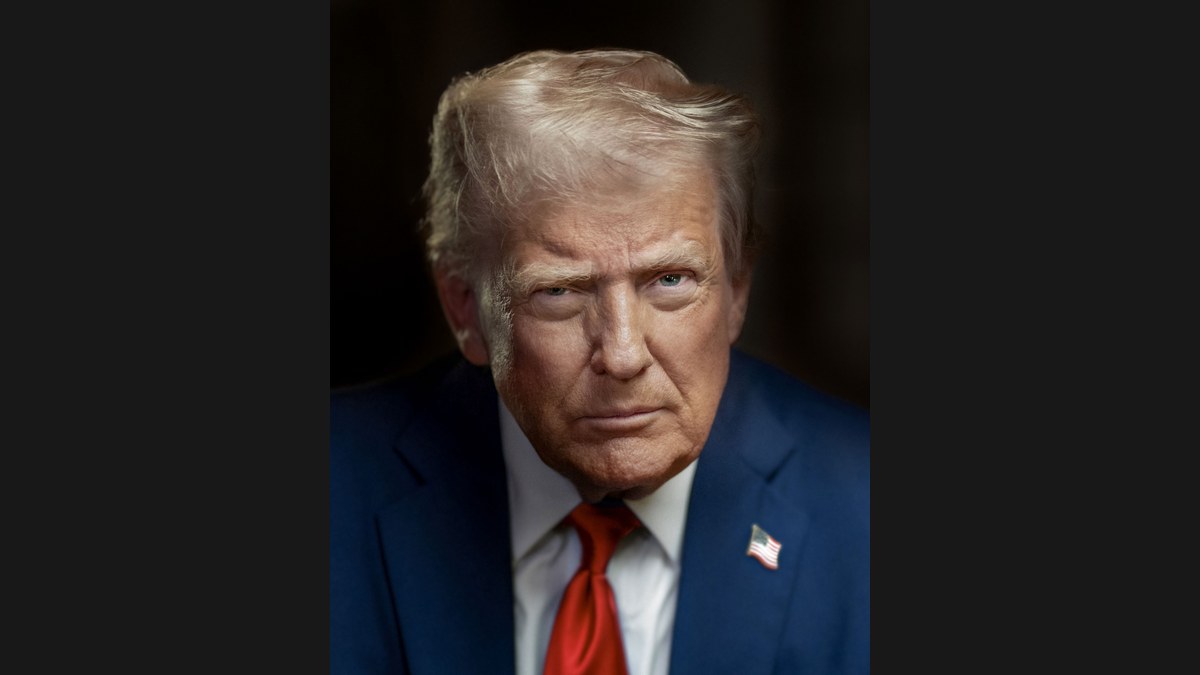
President Donald Trump has ordered every company that holds a federal contract to tell the White House about any request it gets from Congress concerning its work for the government. Companies must also follow White House instructions to withhold material the administration considers privileged. Executive Order 14438, titled "Protecting the Executive's Privileges and Enhancing Efficiencies in Federal Contracting", was signed on Friday, 20 November 2026. It covers subcontractors as well. Companies that do not comply could lose their contracts or be barred from future federal work.
The order's core is short. Section 2 says all federal contractors must "immediately" notify the White House and their contracting agencies of "any pending or future congressional request" about their communications or work with the executive branch. They must then "abide by any instructions" from the White House or the agency on withholding communications deemed protected by executive privilege. Agencies must tell contractors about the new obligations, and the Office of Management and Budget must write guidance on enforcement. Section 4 lists possible penalties for non-compliance: termination or cancellation of contracts, and suspension or debarment of the company.
The White House presents the order as a matter of efficiency and confidentiality. The text argues that Congress cannot obtain privileged information "before the executive branch has an opportunity to assert relevant privileges". It says separate legal strategies by contractors and the government waste taxpayer money. It also accuses "certain congressional leaders" of "harassing private companies that contract with the Federal Government". The order cites the Federal Property and Administrative Services Act, the law that governs federal procurement, as part of its legal basis. Defending the order, the White House said contractors who answer Congress on their own could expose sensitive material, including national security information, Reuters reported.
The timing is political. Democrats won control of Congress in this month's midterm elections and take over on 3 January. They have promised wide-ranging investigations of the administration. Reuters described the order as an expansion of Trump's efforts to limit congressional oversight before that handover. According to a client alert by the law firm Crowell & Moring, White House Counsel Will Scharf wrote on 9 November to Representative Robert Garcia, the expected incoming chair of the House Oversight Committee. Scharf warned that some anticipated investigative tactics could cross into "blatant criminality". Garcia called the new order a blatant attack on Congress's constitutional oversight powers and said Democrats were "just getting started", the Associated Press reported.
Lawyers expect the order to end up in court. The order does not create a new privilege, and it does not shield companies from contempt of Congress, Crowell & Moring noted. Ignoring a congressional subpoena can be prosecuted under federal law, and the statute of limitations is five years, longer than the current term. Two of Trump's first-term advisers, Steve Bannon and Peter Navarro, served prison sentences for defying congressional subpoenas. In the Navarro case, a federal appeals court held that the power to claim executive privilege belongs to the president "and no one else". The firm warned that relying on an agency's view that a document is privileged could leave a company legally exposed.
That leaves contractors in an awkward position. They range from defence and technology giants to consulting firms, and they could soon face competing demands from two branches of government. Federal contracting is worth hundreds of billions of dollars a year, so the threat of debarment carries real weight. The order is not self-executing, however. Its practical effect will depend on the OMB guidance, on new contract clauses that agencies may add, and on how aggressively the administration enforces it. The order sets no deadlines for any of these steps.
The broader question is constitutional. Courts have long recognised both Congress's power to investigate and the president's ability to protect some confidential communications. Usually the two branches settle disputes through negotiation, or in court case by case. EO 14438 tries to pull private companies onto the executive's side of that negotiation in advance. Supporters see it as a defence of the separation of powers, and critics see an attempt to block oversight before it starts. Either way, the fight over who controls government information is likely to dominate Washington in 2027.
Sources: The White House, Executive Order 14438, 20 November 2026 (full text); Reuters via Investing.com, 20 November 2026; Associated Press, 21 November 2026, on the order and Rep. Robert Garcia's reaction; Crowell & Moring client alert, 21 November 2026, on the legal context, the 9 November White House Counsel letter and contempt risks.