Trump says SEC chair Paul Atkins will make ‘Super Intelligence’ term mandatory; no SEC rule announced
Donald Trump said on Truth Social that SEC chairman Paul Atkins will soon make “Super Intelligence” the mandatory term instead of “Artificial Intelligence”, after criticising Fox News host Shannon Bream. No SEC rule or proposal has been identified, and the SEC does not regulate broadcasters.
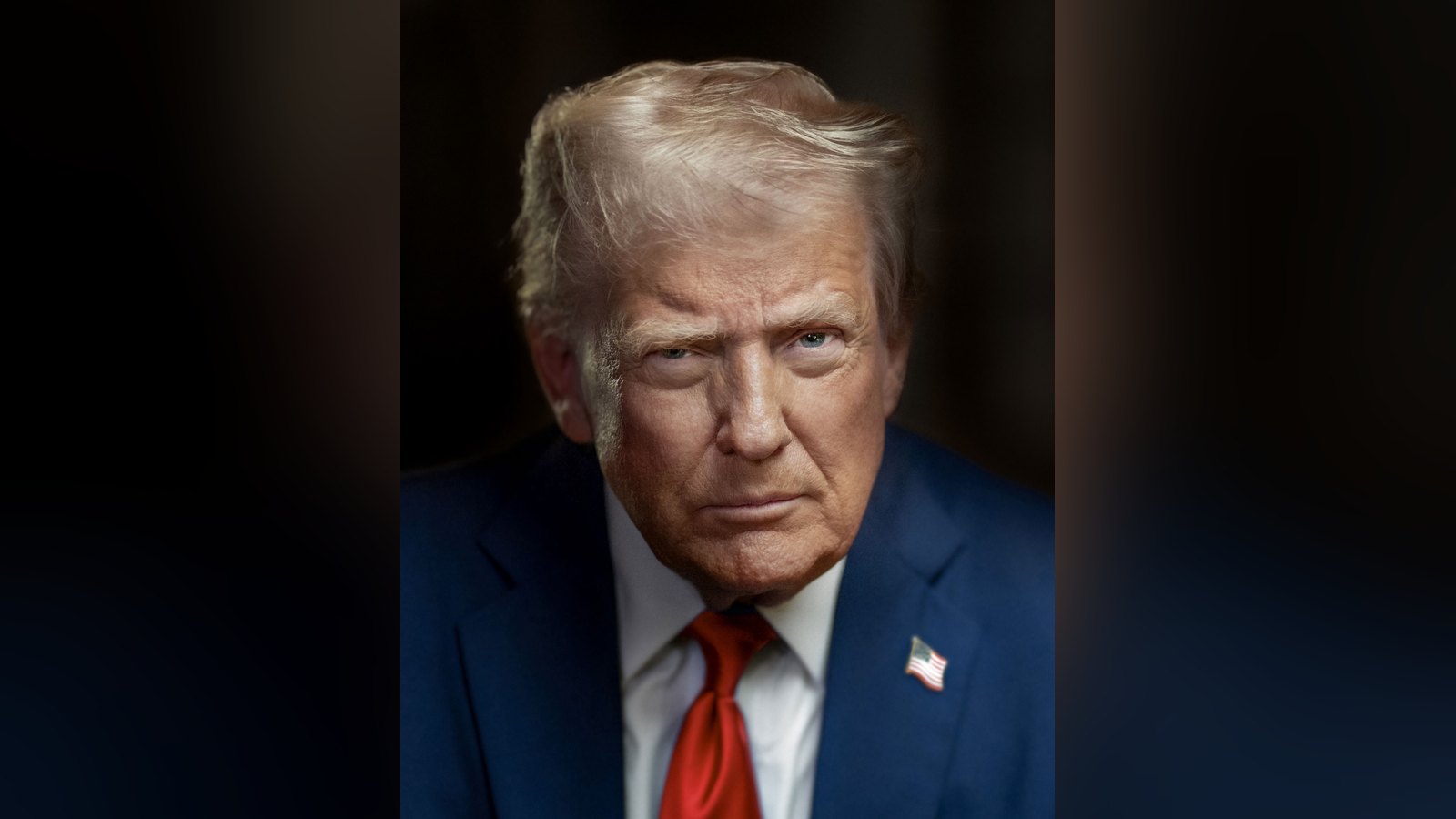
US President Donald Trump said on Saturday, 28 November 2026, that the chairman of the Securities and Exchange Commission, Paul Atkins, “will soon be making” the term “Super Intelligence” mandatory in place of “Artificial Intelligence”. The claim came in a post on Truth Social aimed at Fox News host Shannon Bream. By early Sunday, no SEC rule, proposal or public statement backing up the president’s words had been identified, and outlets that contacted the agency reported no immediate response.
What Trump wrote
In the post, Trump complained that Bream was “having a show on what she calls Artificial Intelligence (AI)” and that she said “Artificial” over and over again. “Can someone please explain to her that it’s Super Intelligence, not Artificial Intelligence, and our Great Chairman of the SEC, Paul Atkins, will soon be making that term mandatory. Like me, he likes ACCURACY in language!” he wrote, according to the text of the post quoted by The Hill and The Independent. In a separate message shortly before, Trump said that Fox News and The Wall Street Journal “never use Super Intelligence (SI)” and argued that the new name would “always win out” because it is “far more accurate”. The Independent noted that the reason for the outburst was unclear, although Bream, who presents Fox News Sunday, had discussed the technology in a segment on the previous weekend’s programme.
The executive order behind the wording
The post is the latest step in a campaign the White House began two months ago. On 29 September 2026 Trump signed an executive order titled “Inaugurating the Era of Super Intelligence”. According to the White House fact sheet, it directs federal departments and agencies to use “Super Intelligence” and “SI” in official correspondence, public communications, websites, reports and other non-statutory documents, and to stop acknowledging the terms “Artificial Intelligence” and “AI”. The order does not rewrite existing regulations, contracts or grants. For now it defines “Super Intelligence” as exactly the same set of technologies covered by the existing legal definition of artificial intelligence in US federal law, and it gave the president’s science and technology adviser 60 days to propose legislative language for a new federal definition.
Agencies have started to comply. In October, Government Executive reported that the State Department sent a cable telling staff to use SI in new letters, emails, websites and policy papers and to rename AI-related programmes and systems, with exceptions for legal citations and contracts. The SEC itself has already adopted the vocabulary in its own documents: the agency’s examination priorities for fiscal year 2027, published on 23 October, list “emerging technologies, including super intelligence” among their focus areas, where previous editions spoke of artificial intelligence.
Can the SEC make a word mandatory?
This is where the president’s claim runs into practical limits. The SEC oversees securities markets, stock exchanges, investment advisers, broker-dealers and the disclosures that listed companies make to investors. It does not regulate television networks or what presenters say on air. Broadcast licensing falls to the Federal Communications Commission, and even the FCC cannot dictate speech protected by the First Amendment, The Hill pointed out. The newspaper added that it was not clear how the SEC could impose the term: it could in theory start a rulemaking, which would require public comment and could be challenged in court, or simply use the term internally, which the existing executive order already covers. The Independent also described the suggestion that the SEC could make the terminology mandatory for news organisations as questionable.
Why it matters
The wording dispute may look trivial, but it touches two serious issues. The first is the independence of the SEC, which is designed to act on its own judgment about markets. A president announcing in advance what the agency’s chairman will require, before the SEC has said anything, is likely to fuel criticism from Democrats who already accuse the commission of following White House direction. The second is clarity. In the technology world, “superintelligence” traditionally refers to a hypothetical future system that would surpass human intelligence across most fields, not to today’s chatbots, image generators or recommendation algorithms. Using the same phrase as a blanket replacement for “AI” could confuse investors at a time when the SEC polices so-called AI-washing, meaning exaggerated claims by companies about their use of the technology. In March 2024, for example, the agency settled charges against two investment advisers, Delphia and Global Predictions, over misleading statements about their use of artificial intelligence.
What happens next
The key thing to watch is whether the SEC publishes anything concrete: a statement from Atkins, guidance for staff, or a formal proposal. Any binding rule affecting companies’ filings would normally go through a public comment period before adoption. Separately, the 60-day deadline in the September order for proposed legislative language on a federal definition of Super Intelligence has now passed, and it is not yet clear whether that proposal has been delivered or made public. Any change to the statutory definition would ultimately require an act of Congress. In the meantime, private companies, broadcasters and the AI industry remain free to keep using the term artificial intelligence.
Sources: Donald J. Trump on Truth Social, 28 November 2026 ; Washington Examiner, 28 November 2026 ; The Hill, 28 November 2026 ; The Independent, 28 November 2026 ; The White House, fact sheet, 29 September 2026 ; SEC, FY 2027 examination priorities, 23 October 2026 ; Government Executive, 20 October 2026