US aircraft disable bulk carrier Pacific Archer in Gulf of Oman as Iran vows to break the blockade
US Central Command said on Friday, 27 November 2026, that a military aircraft fired precision munitions at the stern of the Palau-flagged bulk carrier Pacific Archer in the Gulf of Oman on Thursday, disabling its propulsion after it left the Iranian port of Bandar Abbas and tried to run the US naval blockade. The civilian crew was unharmed. CENTCOM says it has now redirected 158 vessels and disabled six, while Iranian officials say the blockade will be broken.
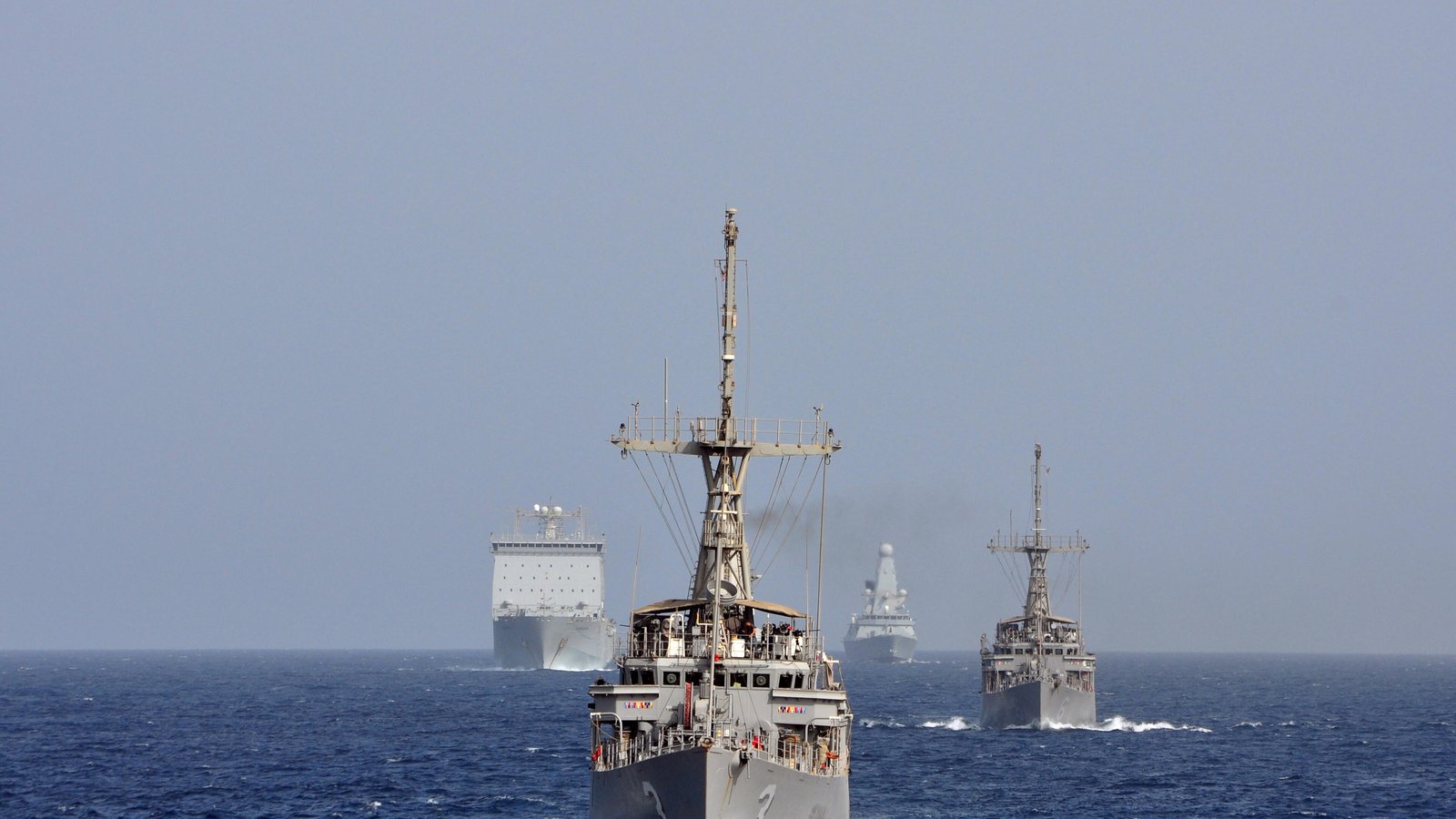
The United States has used force against another commercial ship trying to leave Iran despite its naval blockade, and Iran says it will not accept the blockade. U.S. Central Command (CENTCOM) said on Friday, 27 November 2026, that a military aircraft fired 'precision munitions' at the stern of the Palau-flagged bulk carrier M/V Pacific Archer in the Gulf of Oman on Thursday, 26 November. 'The ship's propulsion was ultimately disabled and the civilian crew was unharmed,' the command said.
According to CENTCOM's statement, published through the Pentagon's DVIDS service, the crew tried to run the blockade 'despite multiple warnings' after the ship departed the Iranian port of Bandar Abbas. The Associated Press reported that ship-tracking websites listed the vessel's destination as Singapore. CENTCOM did not say who owns the ship, what cargo it carried, or whether it had been towed after the strike, and it did not release casualty or damage details beyond the sentence about the crew.
The command also gave running totals. U.S. forces, it said, have redirected 158 compliant commercial vessels and disabled six that refused to comply, and it urged all mariners in the Gulf of Oman and the approaches to the Strait of Hormuz to heed blockade warnings. The Pacific Archer is therefore the sixth ship disabled under the blockade. Earlier reporting in the specialist press counted the cargo ship Huda, disabled on 7 November, as the fifth.
Public registry data gives some background on the vessel, although none of it comes from CENTCOM. The ClassNK register lists the Pacific Archer as a bulk carrier registered in Malakal, Palau, owned by Pacific A Shipping Limited and managed by Optimo Marine Limited, with the IMO number 9222510 and a previous name, Thor Independence. A commercial-shipping report cited by the outlet Truth Network Daily links the owner and manager to addresses in Jiangyin, in China's Jiangsu province, which would establish a commercial link to China but not any involvement by Chinese authorities. Neither company had commented publicly at the time of writing.
The blockade itself is a product of the wider conflict. Deutsche Welle reports that Washington launched its blockade of Iranian ports in mid-July after the collapse of an agreement with Tehran, and that the war broke out in February after the United States and Israel launched strikes on Iran, which then imposed its own blockade on the Strait of Hormuz. Reports said a maritime advisory issued on 18 November widened enforcement, so that ships could be treated as trying to evade the blockade if they loaded at sea cargo that had originally been loaded in Iran. CENTCOM did not say the Pacific Archer had done that.
Iranian officials answered quickly. Majid Mousavi, commander of the Revolutionary Guards Aerospace Force, said enemies should expect action in the air and at sea and called breaking the blockade the country's firm mission, according to World Watch's digest. Other reports quoted Mohammad Mokhber, an adviser to the Supreme Leader, saying that neither would the Strait of Hormuz be reopened nor would the blockade be allowed to remain, and navy commander Shahram Irani saying that breaking through the blockade was under way. None of the reports showed any evidence that Tehran directed the Pacific Archer's voyage.
The strike came amid a busy 24 hours in the Gulf. Xinhua's daily briefing reported that the Revolutionary Guards navy said an oil tanker trying to cross the Strait of Hormuz by an 'unauthorized' route exploded after hitting naval mines north of Oman's Al Ghanam Island, and that a second tanker turned back. That is a claim by one side and has not been independently confirmed. Taken together with CENTCOM's account, it points to a corridor where mines, air patrols and defiant blockade-runners now mix.
Why does it matter beyond the ship? The Strait of Hormuz is the passage for a large share of the world's seaborne oil, and the conflict has kept the risk premium high. According to market reports on Friday, Brent crude settled at about 95 dollars a barrel and had risen for the week on fears of supply disruption, ahead of an OPEC+ meeting on Sunday. Each new incident raises insurance costs for shippers, and the more owners and managers with Chinese or other third-country ties are caught up, the greater the diplomatic complications for Washington.
There are also legal and humanitarian questions that neither side has answered. Firing on a merchant ship with a civilian crew is a grave step, and the United States says it gave warnings and that the crew was unharmed. Iran and other critics call the blockade itself unlawful. The facts available on Saturday morning are limited to CENTCOM's statement, registry data and public comments by Iranian officials; the state of the ship, its cargo and its destination remain unconfirmed.
What to watch next: whether CENTCOM reports any further disabled ships, whether Iran tries the oil-tanker convoy to China that state-linked media have called for, and whether shipping companies reroute or pause voyages from Iranian ports. Today News Brief will update this story if CENTCOM or the vessel's operators release new information.
Sources: U.S. Central Command via DVIDS, 27 November 2026; Associated Press, 27 November 2026; Deutsche Welle, 27 November 2026; ClassNK Register of Ships (vessel particulars); Xinhua daily briefing, 28 November 2026; World Watch digest, 28 November 2026.