UK pensions department takes online services offline after a cyber incident
Britain’s Department for Work and Pensions took some of its online benefits and pensions services offline on Friday after identifying a “cyber incident.” Regular payments, the department said, will still be paid as normal.
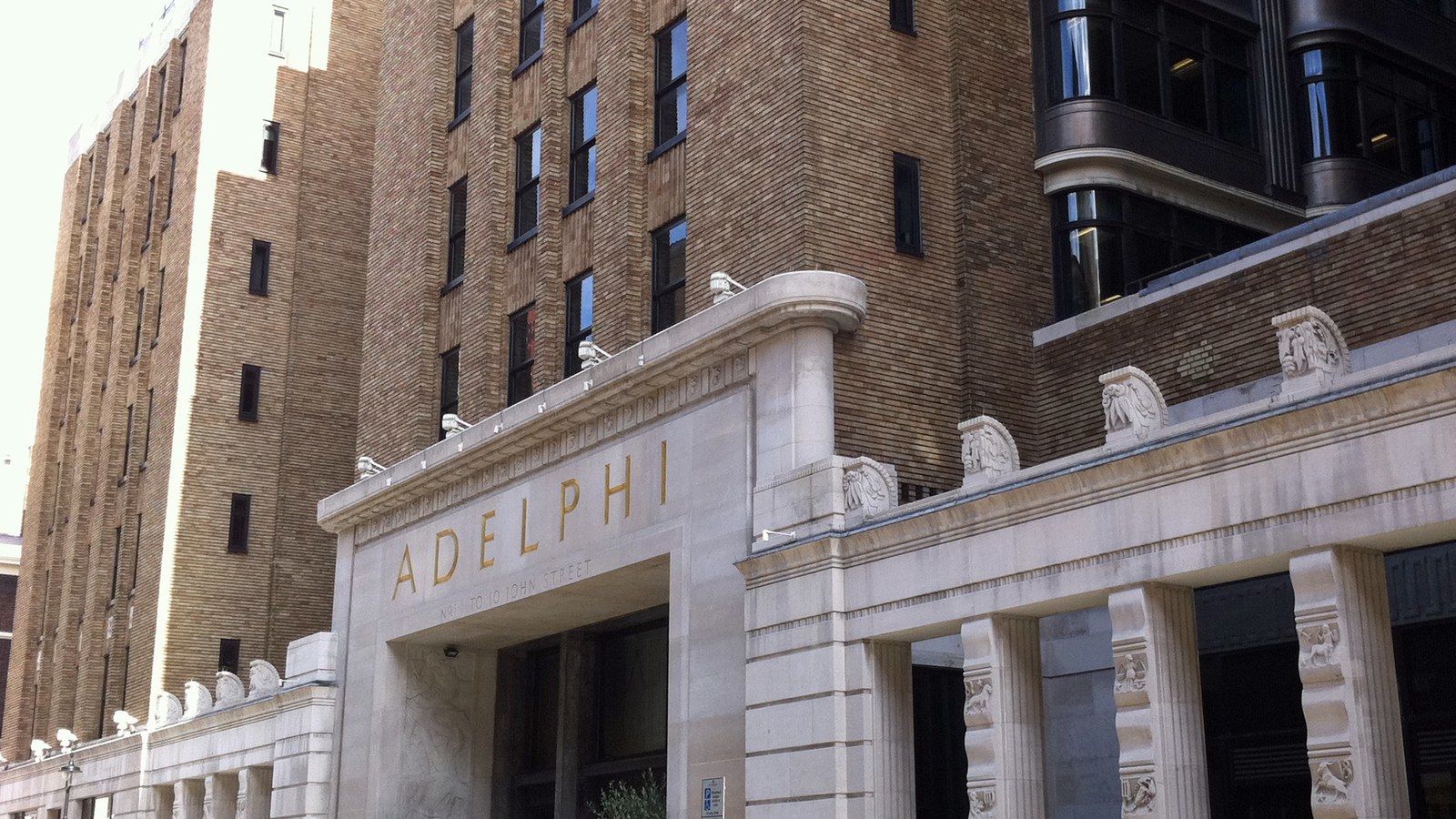
Britain’s Department for Work and Pensions said on Friday that it had taken some of its online services offline as a precaution after identifying a “cyber incident” affecting its systems. In a short notice published on the government’s website, the department said it was working with the National Cyber Security Centre and the Government Cyber Coordination Centre “to investigate and to bring services back online as quickly as possible and to minimise any disruption.” Regular benefit and pension payments, it added, “are not affected and will be paid as normal.”
The wording is careful, and it should be read that way. Officials have not said that a hack has been confirmed, that data has been stolen, or that a particular group is responsible. They have said that a cyber incident was identified, that online systems were taken down as a precaution, and that an investigation is under way. Reuters, reporting from London, relayed the same official account: the department that administers pensions and welfare payments had found an incident affecting its systems and was taking some services offline while it hoped to reinstate them soon.
By around midday in London, the disruption was visible across nearly all of the department’s public-facing digital systems, the BBC reported. People could not use the online services for pensions, Universal Credit and Personal Independence Payment (PIP) applications, or “Tell Us Once,” the service used to notify government when someone has died. Applications for the state pension were also down. The Independent found that signing in to an existing Universal Credit account and searching for a job were among the pages that appeared unavailable. The department did not give a timetable for when the sites would return.
Downing Street described the episode as “live and ongoing.” A spokeswoman for Prime Minister Andy Burnham told the BBC there was “currently no evidence” that personal data had been lost or stolen, and “currently no evidence to suggest a malicious actor has targeted other government departments.” Officials would not rule out that a malicious actor was behind the incident at the DWP itself. “The investigation is ongoing. I’m not going to get ahead of it,” the spokeswoman said. According to the BBC’s live coverage of a Number 10 briefing, the incident was detected on Thursday and the services were taken down on Friday as a precaution.
That sequence matters for anyone trying to judge what is known and what is not. Taking systems offline can be a way to contain a suspected intrusion, to cut off further access and to preserve evidence. It can also be a blunt response to activity on a network that does not look right, before investigators have established a cause. The BBC’s cyber correspondent, Joe Tidy, noted that the department’s public language resembled the early statements in last year’s breach at the Co-op, when the retailer first said it had taken services offline as a “precaution” and only later confirmed that attackers had already stolen data belonging to millions of customers. That comparison is a warning about early wording, not evidence that the same thing has happened at the DWP. As of Friday afternoon, there was still no official confirmation of a data breach.
The department also used its notice to warn the public about fraud. “As always, we will never message you to ask for bank details or ask you to click on links,” it said. Outages of this kind are often followed by phishing messages that pretend to come from the government and invite people to “restore” an account or confirm a payment. The official advice is to treat such approaches as suspect and to try the services again later, rather than to follow unsolicited links.
Even if regular payments are issued as planned, the outage has practical consequences. Claimants who need to report a change of circumstances, check when a payment is due, apply for Universal Credit or PIP, or start a state pension claim cannot do so online while the systems are down. Debbie Abrahams, who chairs the House of Commons Work and Pensions Committee, said it was “a great relief” that benefit and pension payments were not being affected, and that the department had “taken swift action to contain any potential further damage from the cyber-incident and so that service is restored as soon as possible.” She also said it was “critical” that the impact of the outage be investigated so that timely advice can be given to claimants. The Independent quoted her adding that, although some services may be interrupted, taking them offline “was absolutely the right thing to do.”
The official assurance on payments was later qualified by individual accounts. Some people who receive Universal Credit told the BBC that expected payments had not arrived on Friday, and that staff they reached by phone could not get onto the system. A pensioner in Leeds told the broadcaster he had not received his pension payment or heating allowance. These are reports from claimants, not a formal revision of the department’s position, which remained that regular payments were not affected. The gap between those accounts and the public statement is one of the points that will need to be clarified as the investigation continues.
The DWP is one of the British state’s largest public-facing departments, responsible for the state pension and for a range of working-age, disability and ill-health benefits. A prolonged outage does not only inconvenience people who can wait to file a form. It can leave claimants unable to tell the department about a job, a change of address, a death in the family, or a new claim at the moment they need to make it. The BBC reported that millions of people were left without access to the online services. That figure describes the scale of the systems’ usual users, not a confirmed number of missed payments.
The episode comes after several years in which British companies and institutions have faced serious cyber attacks, some of them followed by months of disruption. Reuters listed recent cases including the British Library, a blood-testing service, the London Underground, Marks & Spencer, the Co-op and Jaguar Land Rover. The BBC also recalled that in April 2025 the government reported that attackers had breached the Legal Aid Agency’s online services and accessed a significant amount of personal data, including contact details of people who had applied for legal aid, and that some services were taken offline while the agency responded. None of those earlier incidents has been officially linked to Friday’s events at the DWP, and the cause of this incident has not been established.
The National Cyber Security Centre, which sits within GCHQ, is involved in the response. The Independent reported that the NCSC had nothing to add to the department’s own statement. Until investigators say more, the verified facts remain those set out by the DWP and by Downing Street: a cyber incident was identified, online services were taken offline as a precaution, regular payments are officially said to be continuing, there is currently no evidence of customer data loss or of other departments being targeted, a malicious cause has not been ruled out, and there is no public timetable for restoration. The author of the incident, if there is one, has not been named.
Sources: Department for Work and Pensions, “Temporary disruption to some DWP online services,” GOV.UK, 27 November 2026, https://www.gov.uk/government/news/temporary-disruption-to-some-dwp-online-services ; Reuters (Sarah Young, edited by Paul Sandle), “UK pensions department hit by ‘cyber incident,’” 27 November 2026, as carried by StreetInsider, https://www.streetinsider.com/Reuters/UK+pensions+department+hit+by+cyber+incident/27405137.html ; BBC News (Sean Seddon and Lucy Gilder), “DWP: Millions lose access to benefits and pensions services after ‘cyber incident,’” 27 November 2026, https://www.bbc.co.uk/news/articles/c8wy5p6pv2e2o ; BBC News (Henry Moore and Joe Tidy), “What we know about Department for Work and Pensions ‘cyber incident,’” 27 November 2026, https://www.bbc.co.uk/news/articles/ck1l0e946dqmo ; BBC News live updates, “Department for Work and Pensions cyber incident,” 27 November 2026, https://www.bbc.co.uk/news/live/c6rrg94lgjrjt ; The Independent (David Hughes), “DWP removes some online services amid cyber incident,” 27 November 2026, https://www.independent.co.uk/news/uk/politics/dwp-department-for-work-and-pensions-national-cyber-security-centre-gchq-b3092599.html.