Two Italian technicians killed in drone attack on Kuwaiti air-defence site; Rome and Kuwait blame Iran
Two Italian technicians working for Rheinmetall Italia were killed on Thursday, 26 November 2026, when drones struck an air-defence detection station in Kuwait where they were servicing radar antennas. Italian Foreign Minister Antonio Tajani told the Senate the drones were of Iranian origin, and Kuwait's Defence Ministry also blamed Iran. Tehran denied any involvement and offered a joint investigation.
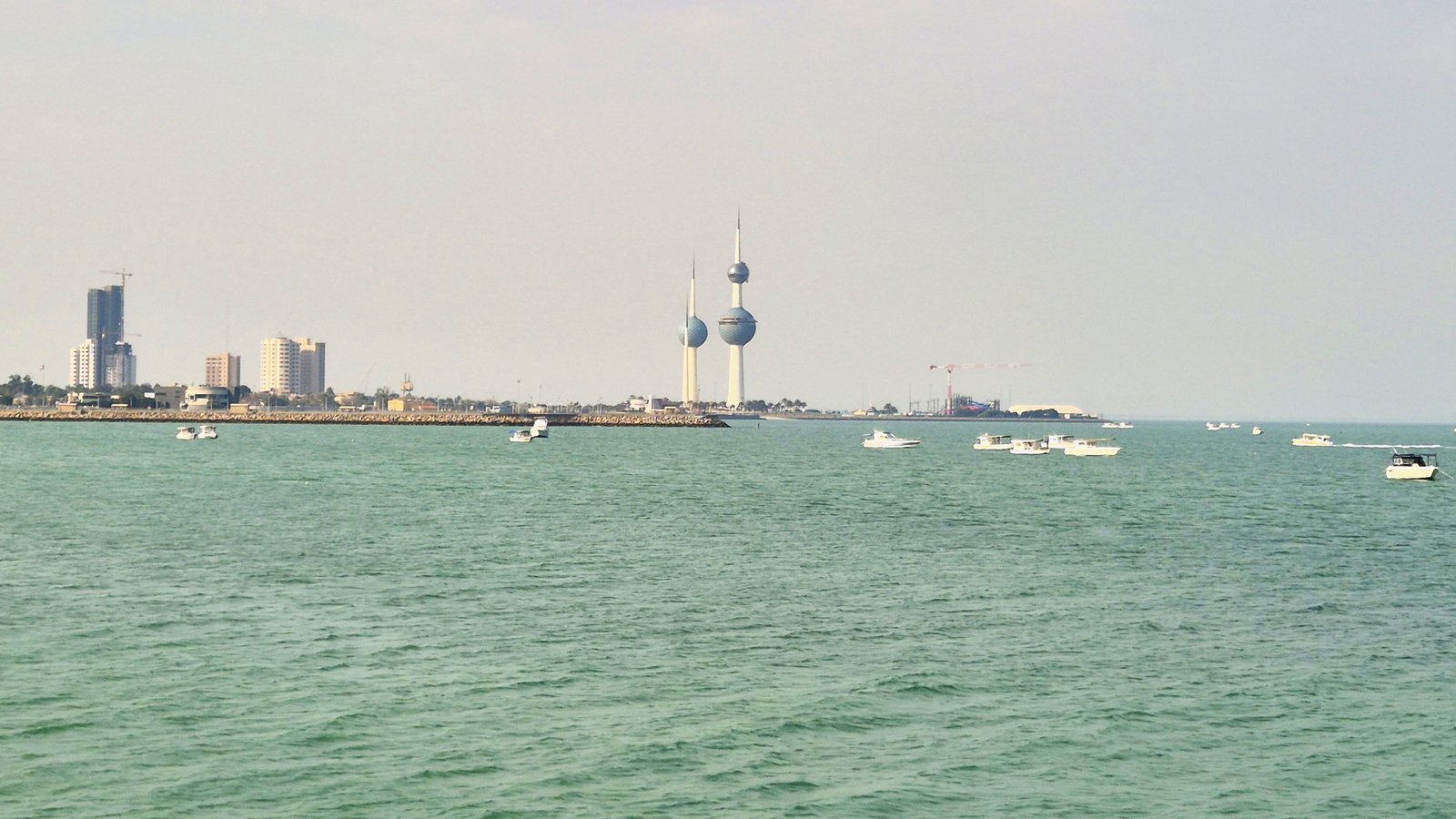
The war around Iran has claimed European lives on the territory of a Gulf state that is not a party to it. On Thursday, 26 November 2026, two Italian citizens were killed in Kuwait when drones hit a military site where they were working. Italy's Ministry of Foreign Affairs said the two were technicians employed by Rheinmetall Italia, the Italian subsidiary of the German defence group Rheinmetall, and that they were carrying out maintenance on the detection antennas of the Skyguard air-defence system used by the Kuwaiti armed forces.
Foreign Minister Antonio Tajani broke the news to the Italian Senate during a session that afternoon. 'At around 14:00 today, several drones of Iranian origin targeted Kuwaiti military installations, including an air-defence detection station where two Italian technicians from Rheinmetall Italia were working,' he said, according to the official Senate record. 'There was a powerful explosion and, unfortunately, according to the information reaching us from Kuwait, both of our compatriots died.' Two other people were injured: a Pakistani citizen and a captain of the Kuwaiti army.
Kuwait's Defence Ministry confirmed the two deaths, Reuters reported. It had first said that four people were wounded by falling debris when a 'vital facility' was targeted in what it described as an Iranian attack, before confirming that the two Italians had died of their injuries. The ministry said the attack caused material damage. The names of the victims had not been made public by Thursday evening, and the Italian embassy in Kuwait said it was in contact with local authorities and with the families.
Iran rejected the accusation. Senior armed forces spokesman Abolfazl Shekarchi said no Iranian offensive or military operation had taken place in the region, according to Iranian state media, and Iran's embassy in Rome 'categorically' denied the claims, suggesting the incident might be a false-flag operation intended to drag Europe into the US-Israeli war against Iran. Foreign Minister Abbas Araghchi offered condolences in calls with his Italian and Kuwaiti counterparts, called the incident 'suspicious' and said Tehran was ready for a joint investigation with Kuwait to identify its origin.
Rome's reaction was firm but cautious. Tajani told the Italian news agency AGI that Italy would lodge a complaint with the Iranian embassy and urged restraint, saying there was no reason to attack Arab countries bordering Iran that are not involved in the war. Kuwait's foreign minister, Sheikh Jarrah Jaber Al-Ahmad Al-Sabah, called Tajani to express solidarity, according to a readout of the call. Rheinmetall, whose Italian unit services air-defence equipment for several countries, had not commented in detail by the time of writing.
The Skyguard system the technicians were servicing is a Swiss-designed, radar-guided short-range air-defence system, originally developed by the Swiss firm Contraves, later Oerlikon Contraves, and now part of Rheinmetall's air-defence business. Its search and tracking radars are designed to detect low-flying aircraft, missiles and drones and to guide anti-aircraft guns or missiles. That makes its sensors an obvious target for an attacker trying to blind a country's defences, and it explains why foreign contractors, who often maintain such complex equipment, can end up exposed in a conflict.
Analysis: the deaths come at a dangerous moment. Over the past weeks Iran's Revolutionary Guards have reported several tankers hitting sea mines in and near the Strait of Hormuz, and Gulf states that host Western military assets fear being caught in the crossfire. If the attribution to Iran is confirmed, this would be one of the clearest cases of the conflict killing citizens of a European Union country, which could harden European positions. If it is not, the episode shows how quickly a single unexplained strike can raise tensions between Tehran and capitals that have tried to stay out of the fighting.
For Italy, the incident also reopens a domestic debate about the safety of civilians who work abroad for defence companies. Thousands of European engineers and technicians are employed on maintenance contracts in the Gulf, often on sites that have military value. Their protection depends largely on the host country's air defences, the very systems that were hit on Thursday. Expect questions in the Italian parliament about how such staff are protected, and whether companies and governments should limit their presence in high-risk areas.
What happens next will depend on the evidence. Kuwait has not published technical details about the drones or where they were launched from, and Iran has offered to cooperate in an investigation. Debris analysis, radar data and intelligence sharing between Kuwait, Italy and their allies will be key to establishing who was responsible. Until then, the two families in Italy are waiting for the repatriation of their relatives, and a small Gulf state is counting the cost of a war it says it wants no part in.
Sources: Italian Ministry of Foreign Affairs, 26 November 2026; Reuters via NBC News, 26 November 2026; UPI, 26 November 2026; Bloomberg, 26 November 2026.