Swiss voters back ban on noisy private fireworks, ease arms export rules and reject VAT rise for pensions
Swiss voters on Sunday, 29 November 2026, approved a popular initiative to ban the private sale and use of noisy fireworks, backed a looser War Materiel Act for arms exports to 36 partner countries, rejected a VAT increase to fund the 13th state pension payment and turned down a Centre Party initiative on taxing married couples, according to Federal Statistical Office figures.
Switzerland held one of its busiest referendum Sundays of the year on 29 November 2026, and the results sent mixed signals. Voters approved a nationwide ban on the private sale and use of noisy fireworks, gave the government more room to export weapons to friendly countries, refused to raise value-added tax to pay for the new 13th state pension payment, and rejected a Centre Party plan to keep married couples taxed together. The figures below come from the Federal Statistical Office count published on Sunday afternoon, with most communes counted; projections by gfs.bern for SRG pointed to the same outcome on all four questions, and the remaining results were not expected to change the picture.
The four results at a glance
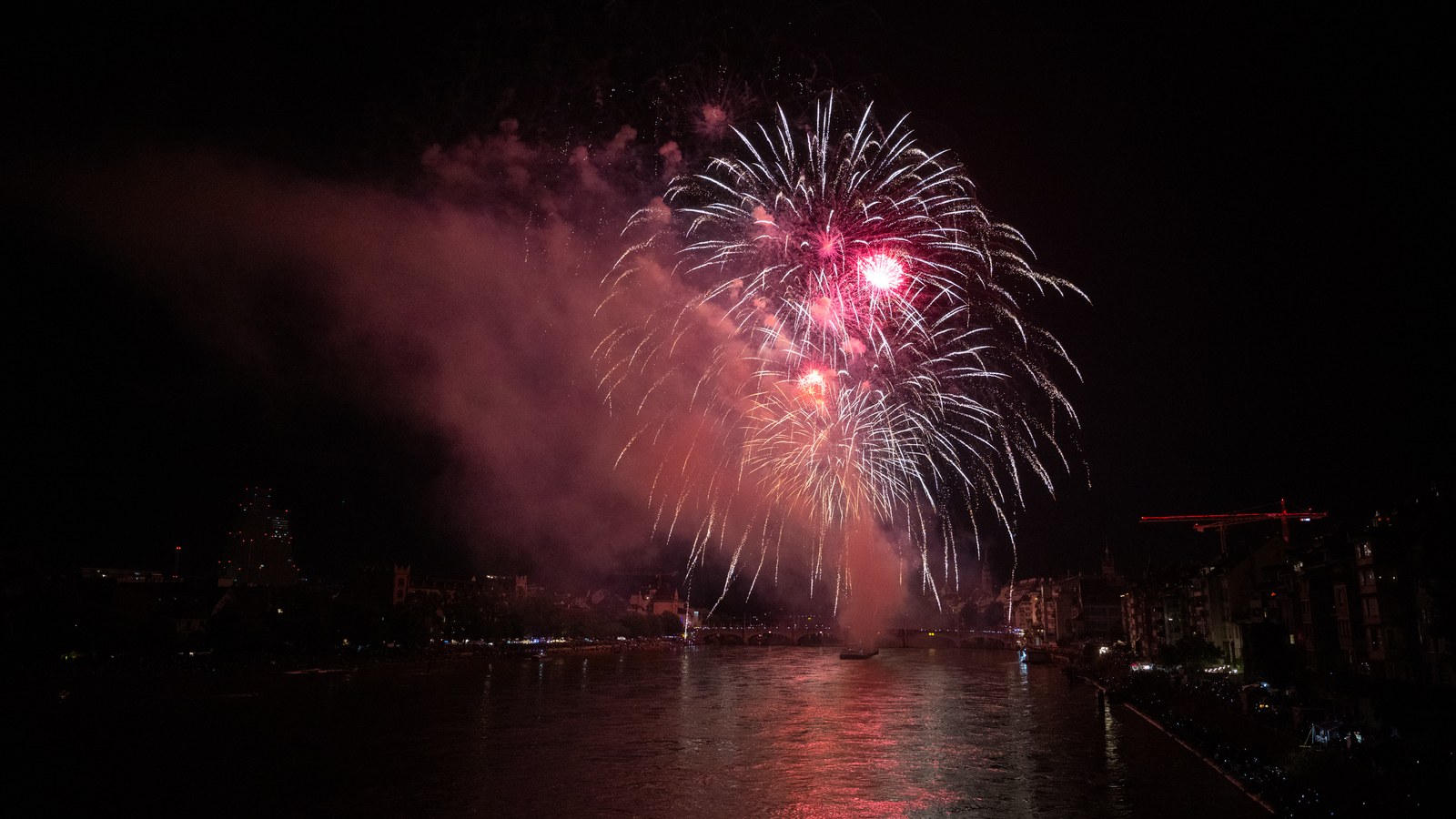
Fireworks: the popular initiative "For a restriction on fireworks" was approved with about 58.7% of the vote. Because it changes the constitution, it also needed a majority of cantons; in the official count it was ahead in all 22 cantons with results reported. The first projection by the polling institute gfs.bern for public broadcaster SRG had put support at 61%.
Arms exports: the amendment to the War Materiel Act passed with roughly 55.7% in favour. Because it is an ordinary law challenged by referendum, it needed only a majority of voters, not of the cantons.
Pensions and VAT: the federal decree raising VAT by 0.4 percentage points to help fund the 13th payment of the old-age and survivors' pension (OASI, known as AHV/AVS) was rejected, with about 56.4% voting no.
Taxing married couples: the Centre Party's initiative "Yes to fair federal taxes for married couples" was turned down, with around 57.6% against. Turnout was close to 48%, according to the official dashboard.
What the fireworks ban means
The initiative was launched by animal-welfare organisations, including Swiss Animal Protection, Four Paws and the Franz Weber Foundation, and gathered more than 137,000 signatures. It adds a short article to the federal constitution stating that the sale and use of fireworks that produce noise are prohibited. Quiet products such as Bengal lights and fountain-style "volcanoes" would remain legal, and cantons could still authorise large displays at events of supra-regional importance, such as National Day celebrations on 1 August, according to the official explanation on ch.ch.
Supporters argued that the bangs frighten pets, livestock and wild animals, disturb children, older people and people with trauma, and leave litter, fine dust and fire risk behind. The Federal Council and both chambers of parliament recommended a no vote, saying cantons and communes can already restrict fireworks and that the custom is part of Swiss tradition, SWI swissinfo.ch reported. The left-wing Social Democrats and Greens backed the initiative, while the Swiss People's Party, the Radical-Liberals and the Centre opposed it. A milder counter-proposal had collapsed in parliament's final vote in June.
The text does not define how loud a firework must be to count as "noisy". That will now be decided by the government and parliament in implementing legislation, which normally has to be in place within about two years. Enforcement will fall to the cantons, and private rockets and bangers can still be sold under current rules until the new law takes effect.
Arms exports: a shift for a neutral country
The War Materiel Act change lets Switzerland approve arms sales to 36 partner states with export-control systems similar to its own, even if those countries are involved in an armed conflict. The list covers EU and EFTA members as well as the United States, the United Kingdom, Canada, Japan, Australia, New Zealand and Argentina. Buyers will also no longer automatically have to sign a declaration promising not to pass Swiss weapons on to third countries, although the Federal Council keeps a veto on neutrality and security grounds, according to Bluewin and Keystone-SDA.
Swiss industry had complained that European customers were turning away because Bern blocked re-exports, including of ammunition and equipment that partners wanted to send to Ukraine. The new rules do not change that point: direct or indirect deliveries to Ukraine remain barred under the law of neutrality, which requires equal treatment of warring parties. Left-wing parties, the Evangelical People's Party and peace groups forced the referendum, while the government and the centre-right backed the reform. Results showed opposition in Geneva, Basel-City, Ticino and Jura, while German-speaking cantons such as Zurich voted clearly in favour, Anadolu and Reuters reported.
Pensions: the 13th payment still needs money
Swiss voters approved a 13th annual OASI pension payment in March 2024. It will be paid for the first time in December 2026 to around 2.6 million pensioners and costs more than CHF 4 billion a year at first, rising above CHF 5 billion later, according to the federal votes dashboard. Parliament wanted to cover part of the bill by raising VAT from 8.1% to 8.5% from 2028, which would have brought in about CHF 1.4 billion a year. The Radical-Liberals and the Swiss People's Party said the rise would hurt households and businesses, and the public-services union also objected, Keystone-SDA reported. With the decree rejected, the government must look for another way to stop the pension fund's reserves from shrinking.
Married couples will be taxed individually
The Centre Party's initiative aimed to end the so-called marriage penalty while keeping couples assessed together. Its defeat clears the way for individual taxation, which voters had already approved in a separate law in March. Married spouses will in future file separate tax returns, with the new system due to start in 2032 after all 26 cantons adapt their own tax laws, a process that may bring cantonal referendums of its own.
Why it matters
Sunday's votes show how Swiss direct democracy can reshape daily life and big policy at the same time. The fireworks result is a rare case of a popular initiative passing against the advice of government and parliament, and it will change how many Swiss celebrate New Year's Eve and 1 August. The arms vote marks a careful step away from the strictest interpretation of neutrality after years of pressure from European neighbours. The pension result, meanwhile, leaves a multibillion-franc funding gap open.
What happens next
All results remain provisional until the Federal Council validates them in the coming weeks. The government will then draft the fireworks rules and the arms-export ordinance changes, while parliament reopens the debate on financing the OASI pension system.
Sources
Swiss Federal Chancellery / Federal Statistical Office, federal votes dashboard; SWI swissinfo.ch results page; SWI swissinfo.ch on the fireworks initiative; Keystone-SDA on the VAT vote; Keystone-SDA on the arms vote; Bluewin; Anadolu Agency; ch.ch voting information; Reuters.