Spain votes in snap election: Sánchez vs Feijóo, with Vox poised to decide who governs
Spain holds a snap general election on 29 November. Polls put Feijóo’s PP narrowly ahead of Sánchez’s Socialists, with Vox third and the right-wing bloc near a majority of 176 seats. Polls open 09:00–20:00 local time; results are expected before midnight.
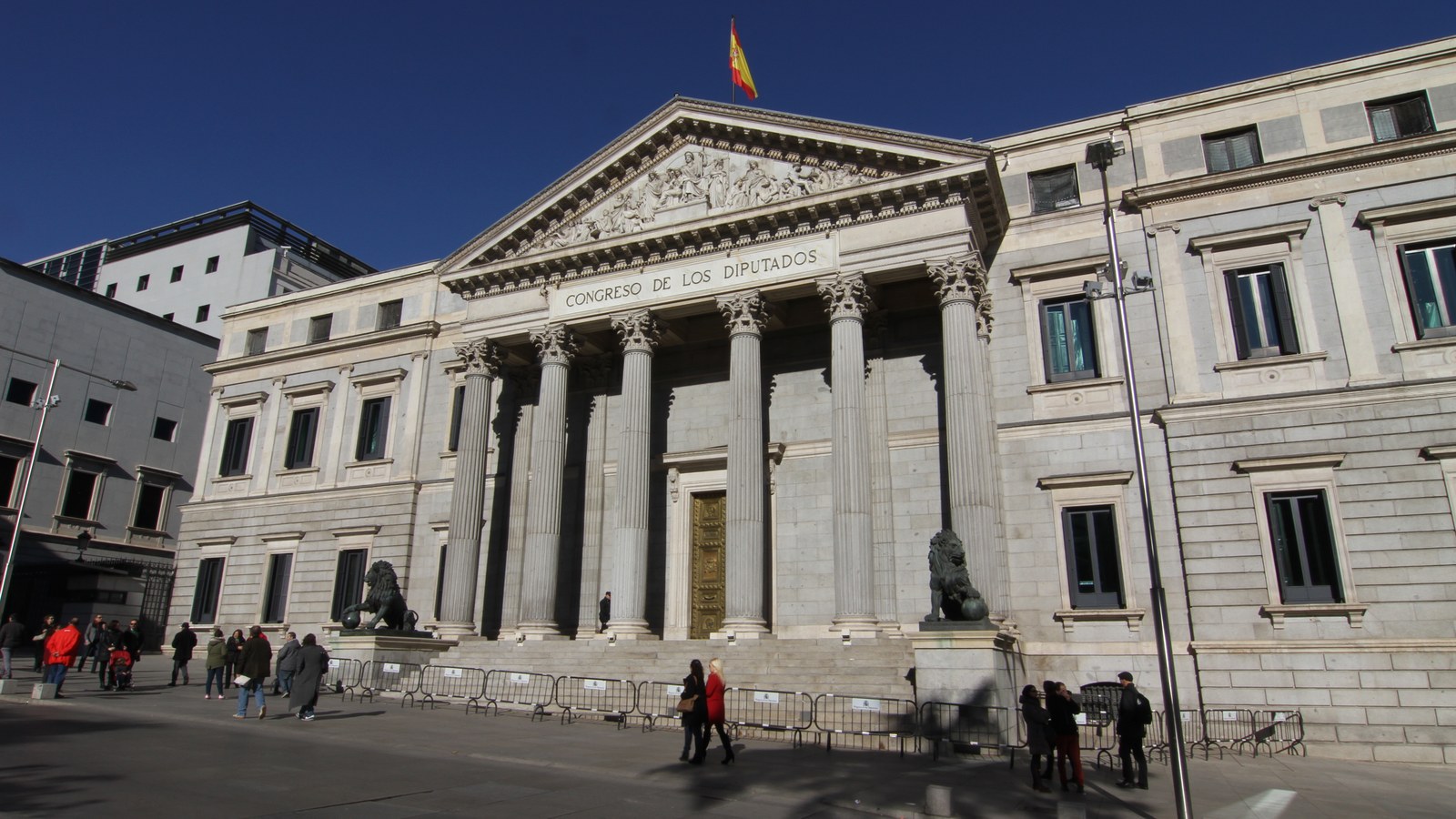
Spain votes on Sunday, 29 November 2026, in a snap general election that could end more than eight years of Socialist-led government under Pedro Sánchez and, for the first time since the end of Francisco Franco’s dictatorship in 1975, bring the far right into a national government. Polling stations open at 09:00 local time (10:00 in Romania) and close at 20:00 (21:00 in Romania), and provisional results from the Interior Ministry begin to appear about an hour later. According to Spain’s National Statistics Institute, cited by Al Jazeera, about 38.7 million people aged 18 and over are eligible to vote.
Why Spain is voting early
Sánchez announced the election on 5 October, roughly eight months before the end of the legislature, after parliament rejected his government’s planned changes to housing law. The decision came amid nationwide protests over rents and house prices, sparked in part by the case of Maricarmen Abascal, an 87-year-old woman who was evicted from her rented flat in Madrid and later died, the BBC reported. The government lost the support of Junts, the centre-right Catalan pro-independence party, which wanted to protect the rights of property owners. The dissolution of both chambers was formalised by Royal Decree 806/2026, published in the Official State Gazette.
What the polls say
Most surveys put Alberto Núñez Feijóo’s conservative People’s Party (PP) in first place, but not by much. The EL PAÍS polling average published on 24 November gave the PP 31.5 percent, about 2.5 points ahead of Sánchez’s Socialists (PSOE) on 29 percent, with the far-right Vox on around 18 percent. The newspaper noted that the gap had narrowed from about six points when the election was called, and estimated that the PSOE had at least a 25 percent chance of finishing first. The bigger picture favours the right, however: PP, Vox and the smaller Se Acabó La Fiesta together stood at 51.2 percent, against 38.7 percent for the left-wing parties. In 2023 the two blocs were almost level.
The magic number: 176
Voters elect all 350 members of the Congress of Deputies in 52 constituencies using proportional representation, as well as most of the Senate’s members. A party or coalition needs 176 seats for an absolute majority. If no one reaches that number, the king consults party leaders and proposes a candidate for prime minister, who must then win an investiture vote. That is why the result for each bloc matters as much as which party comes first: in 2023 the PP won the most seats but could not form a government, and Sánchez stayed in power with the support of left-wing and regional parties.
The main contenders
Sánchez, 54, is seeking another term after a mandate overshadowed by corruption investigations involving his wife, his brother and former close allies, all of whom deny wrongdoing. Feijóo, who has led the PP since 2022, has called this possibly “the most significant moment” for Spain in 50 years, but analysts quoted by the BBC say he is unlikely to govern without Vox. Vox, led by Santiago Abascal, could almost double the 33 seats it holds in Congress and campaigns on tougher immigration rules, a “national priority” for Spanish citizens in welfare and a hard line on Catalan and Basque separatism. On the left, the new Broad Front (Frente Amplio) led by former Barcelona mayor Ada Colau replaces Sumar, while Podemos runs separately. Regional parties such as EH Bildu, the BNG, the PNV and ERC could again play kingmaker.
Housing, prices and a rail disaster
Housing is the dominant issue. The BBC reports that property prices and rents rose by more than 80 percent between 2015 and 2025, while wages did not keep pace, and the Bank of Spain estimates that around 700,000 more homes are needed. On 11 November, unions said four million people joined the first general strike since 2012. The left promises rent controls and protection against evictions, while the right focuses on building more homes, tax breaks for buyers and looser planning rules. Voters also cite the cost of living, corruption and migration, and the campaign was shaken by the high-speed train crash near Urda, in Toledo province, which killed 69 people and led to the resignation of transport minister Óscar Puente.
What to watch tonight
In 2023, around 99 percent of the votes had been counted by 23:45 local time, so the overall picture should be clear before midnight. The key questions are whether PP and Vox together pass 176 seats, how close the PSOE comes to the PP, and whether the Broad Front and the regional parties hold enough seats to keep a left-wing majority alive. A narrow or fragmented result could mean weeks of negotiations before a new government is in place.
Sources: BBC News, What you need to know ; Al Jazeera, 27 November 2026 ; EL PAÍS English, polling average, 24 November 2026 ; La Moncloa, 5 October 2026 ; BOE, Royal Decree 806/2026