Sheikh Hasina says she will return to Bangladesh on 16 December; Dhaka says she will come 'in handcuffs'
Sheikh Hasina, the former prime minister of Bangladesh who fled to India during the 2024 uprising, said through her spokesperson on Tuesday, 24 November 2026, that she plans to return home on 16 December, Victory Day, and asked the government to fly her back. Dhaka rejected the idea: a minister said she would be brought back 'in handcuffs' to face a death sentence handed down in absentia.
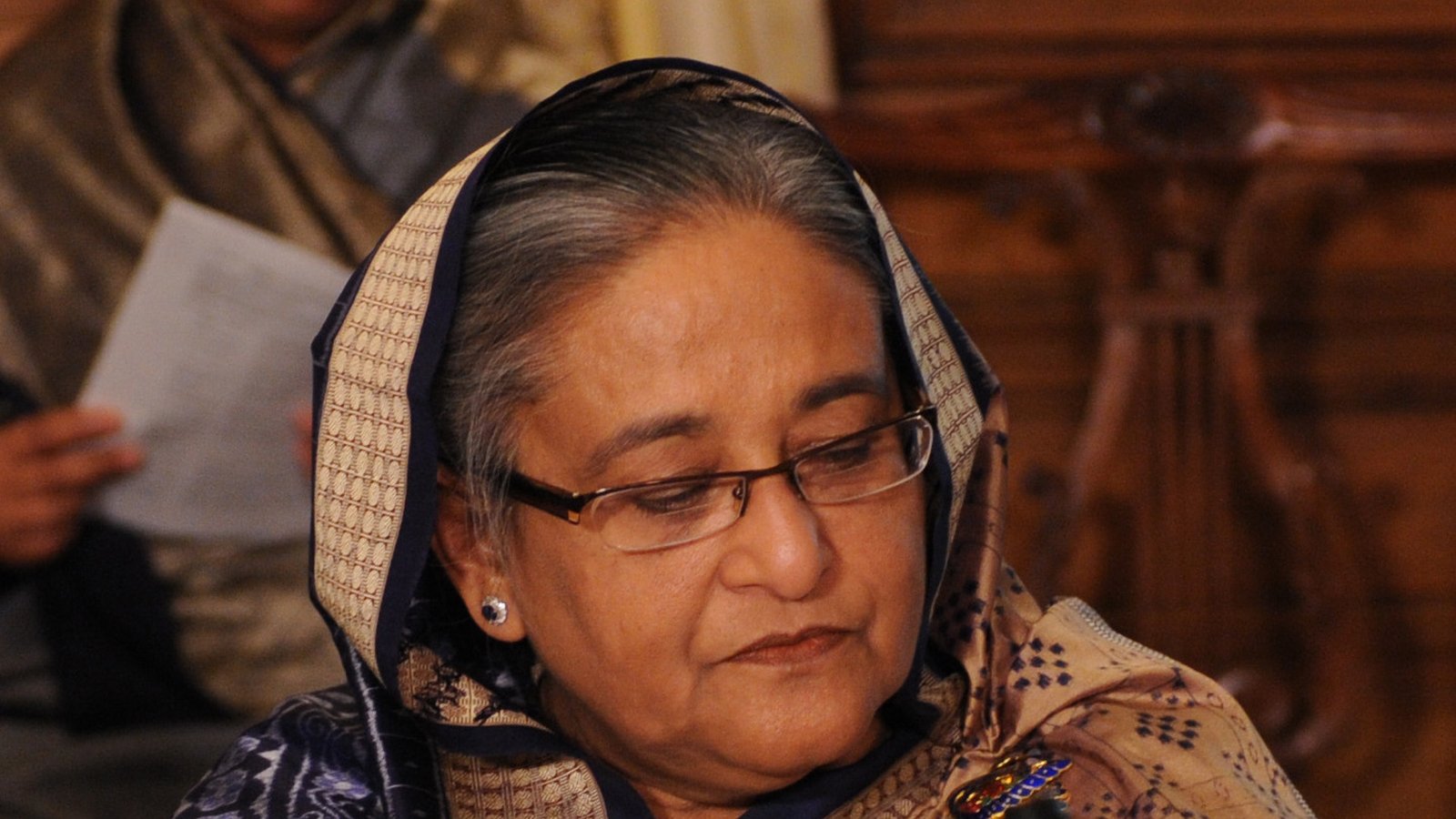
More than two years after crowds stormed her official residence in Dhaka, Sheikh Hasina says she is ready to go home. The former prime minister of Bangladesh, who has lived in exile in Delhi since August 2024, announced on Tuesday, 24 November 2026, that she plans to return on 16 December. Her spokesperson, Syed Mozammel Ali, said in a statement that because she had been 'flown to India on a Bangladesh aircraft' on 5 August 2024, she was now asking the government to arrange her air transport from Delhi back to Dhaka.
The date is chosen carefully. 16 December is Victory Day, which marks the end of Bangladesh's 1971 war of independence from Pakistan, a struggle led by Hasina's father, Sheikh Mujibur Rahman, the country's founding leader. An aide described her decision as 'deeply symbolic' and said supporters believed she would celebrate the day 'among her people'.
The government's answer was blunt. At a press briefing on the same day, state minister for foreign affairs Humayun Kabir said Hasina 'will not be able to return to the country as an ordinary commercial passenger; she will be brought back in handcuffs'. He also accused Hasina and India of backing recent unrest in Bangladesh. A day earlier, Reuters reported, officials in Dhaka had already said she would be arrested if she returned and that her return should happen only through extradition.
The legal stakes could hardly be higher. In 2025 a Bangladeshi tribunal sentenced Hasina to death in absentia for crimes against humanity over the deadly crackdown on the 2024 student-led protests. What began as demonstrations against quotas in government jobs turned into a nationwide uprising; the United Nations estimates that up to 1,400 people were killed. Hasina denies the charges and says she was forced out unconstitutionally.
Bangladesh's politics have changed completely since she left. An interim government led by Nobel laureate Muhammad Yunus banned the activities of her Awami League party in May 2025, and the party was barred from February's general election. That vote brought its long-time rival, the Bangladesh Nationalist Party (BNP), to power, with Tarique Rahman as prime minister. Despite the ban, Awami League supporters have continued to hold street protests and call shutdowns demanding her return, and the BBC reports renewed unrest in recent weeks.
India is in a difficult position. Delhi had close ties with Hasina during her 15 years in power and has hosted her since her flight. Bangladesh has formally asked for her extradition, and in April India's foreign ministry said it was examining the request while seeking to work constructively with the new government. India did not immediately comment on Tuesday's announcement. Prime Minister Rahman has visited China, Japan and Malaysia but not India, and he skipped the BRICS summit that India hosted in September.
Analysis: it is far from clear that Hasina will actually board a plane on 16 December. Leaving India would expose her to arrest and a death sentence, and the Bangladeshi government will certainly not send an aircraft to collect her as a returning former leader. The announcement may therefore be more about politics than travel: it puts her back at the centre of national debate, energises Awami League supporters, and forces both Dhaka and Delhi to state their positions in public. The risk is that it also raises tensions on the streets in the run-up to a highly emotional national holiday.
For India, the episode complicates efforts to reset relations with Bangladesh, an important neighbour and trading partner. For Bangladesh, it tests whether the new government can handle the legacy of the 2024 uprising through the courts rather than through confrontation. The next three weeks, and India's response on extradition, will show whether Hasina's plan is a real journey or a powerful political message.
Sources: BBC News, 24 November 2026; Associated Press, 24 November 2026; Reuters, 23 November 2026; The Japan Times, 25 November 2026.