Israeli judges urge prosecutors to drop bribery charge against Netanyahu
A Jerusalem court told the attorney general that a conviction in the main bribery case is unlikely and questioned a second case, a boost for caretaker prime minister Benjamin Netanyahu.
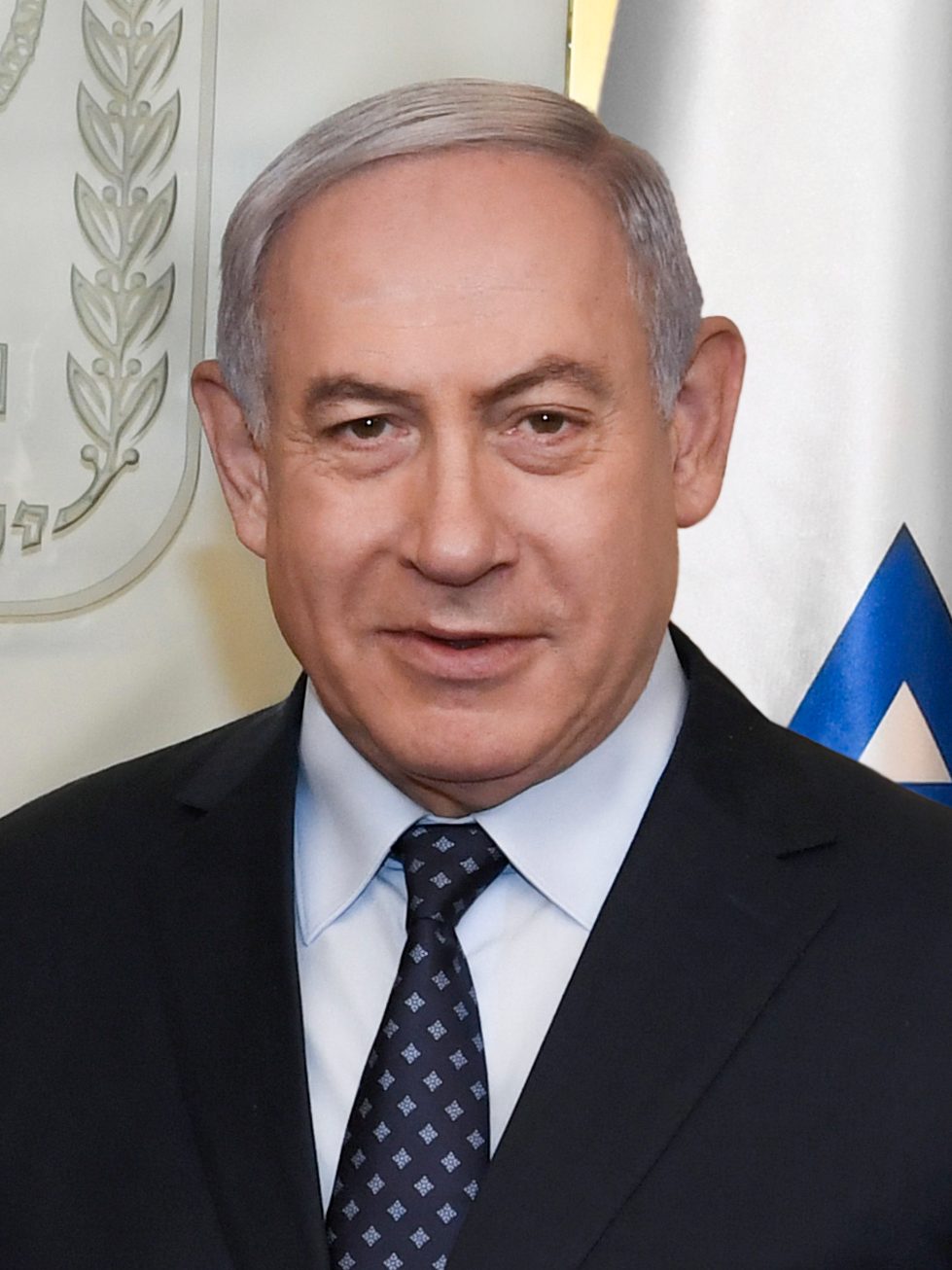
Judges at the Jerusalem District Court on Wednesday, 25 November 2026, urged Israeli prosecutors to consider dropping the main bribery case against Benjamin Netanyahu, in a rare intervention in the long-running corruption trial of the man who remains Israel’s prime minister in a caretaker capacity.
In an unusual step, the three-judge panel summoned Attorney General Gali Baharav-Miara to attend the hearing. According to The Jerusalem Post and The Times of Israel, Judge Rivka Friedman-Feldman, sitting with Judges Moshe Bar-Am and Oded Shaham, told her that the public interest required a fresh look at the indictment after Netanyahu had finished giving evidence. “In our view, the public interest requires a rethink,” Friedman-Feldman said, the Post reported.
The case now under the heaviest doubt is Case 4000, the most serious of the three files against Netanyahu. Prosecutors allege a “reciprocal arrangement” in which he advanced regulatory decisions that benefited Shaul Elovitch, then the controlling shareholder of Bezeq, Israel’s largest telecommunications company, in exchange for favourable coverage on the Walla news site, which Elovitch also controlled. Netanyahu and the Elovitches deny wrongdoing. The judges said their doubts now went beyond the bribery count they had already asked prosecutors to reconsider in June 2023 and again in June 2026.
The Post, citing the panel, reported difficulties on both sides of the alleged exchange. The claim that Netanyahu instructed the then director-general of the Communications Ministry, Shlomo Filber, to act in Bezeq’s favour rested largely on Filber’s testimony. The judges questioned whether findings of fact could be based on that account, pointing to the course of his questioning, changes in his version and objective information they said was inconsistent with it. They also expressed serious doubt that prosecutors had proved an “unusual responsiveness” to coverage requests, or that Netanyahu knew of such treatment at the time. Those doubts, they said, also affected the alleged conflict of interest behind the breach-of-trust charge. “Regarding this count, we assess that the prospects of conviction are low, to a degree that justifies reconsidering the matter,” they wrote, according to the Post.
The judges expressly limited that assessment to Netanyahu. Withdrawing the charges against him would not automatically end the bribery prosecution of Shaul and Iris Elovitch, whose position would have to be considered separately, the court said.
Case 2000 concerns Netanyahu’s discussions with Arnon Mozes, publisher of the newspaper Yedioth Ahronoth, about favourable coverage in return for steps against the rival newspaper Israel Hayom. The judges questioned whether the facts alleged in the indictment and the evidence presented supported the prosecution’s legal conclusions, and whether the conduct described amounted to a criminal offence. They asked to hear further argument from both sides. Case 1000, which alleges fraud and breach of trust over expensive gifts, including cigars and champagne, from wealthy businessmen, was treated differently: the judges suggested that the prosecution should seek an agreement with the defence, or that the case could be brought to a verdict.
Baharav-Miara appeared before the court for the first time in the trial. She defended the prosecution team and said the judges’ comments would be examined. She outlined two ways to conclude the proceedings: a verdict, or an agreement that reflected the nature of the alleged conduct. The Times of Israel reported that she said the prosecution had responded positively to an initiative by President Isaac Herzog for talks, while the other side had not yet replied. Netanyahu’s lawyer Amit Hadad was reported to have suggested an immediate meeting to resolve the entire case, a proposal said to have been opposed by both the court and the attorney general.
Netanyahu, who has denied all the charges, presented the judges’ remarks as vindication. In a statement on Wednesday night he demanded that the trial be ended at once and spoke of years of hardship for him and his family. He has long argued that the cases were fabricated. The judges stressed that their comments were impressions formed so far, not a verdict, and that they had not yet heard the other defendants’ testimony.
Netanyahu was indicted in 2019 and became the first sitting Israeli prime minister to stand trial. The hearings were slowed by the war in Gaza. The latest development comes as he fights for his political future: The Jerusalem Post noted on 26 November that he is in a contest with Gadi Eisenkot, who has been given a mandate to try to form a government. A conviction that carried a finding of moral turpitude could, in principle, affect eligibility for public office; no such finding has been made.
A recommendation from the bench is not an acquittal and does not, by itself, cancel an indictment. The attorney general must now decide whether to withdraw or narrow counts, bargain, or continue to a judgment. Until then, Netanyahu remains on trial, and the allegations are unproven. The political effect is nevertheless significant, because Case 4000 was always the gravest file against him.
Sources: The Jerusalem Post, 25 and 26 November 2026, including the judges’ cited wording and the description of Cases 4000, 2000 and 1000; The Times of Israel, 25 November 2026; BBC News, 25 November 2026; The Straits Times, citing a court spokesperson on the low likelihood of conviction in Case 4000.