ICJ rules Myanmar committed genocide against the Rohingya, the first such finding against a state
The International Court of Justice ruled on 19 November 2026, by 9 votes to 6, that Myanmar committed genocide against the Rohingya in northern Rakhine State in 2017, ICJ President Yuji Iwasawa said. It is the first time the court has found a state responsible for genocide. The case was brought by The Gambia. The court ordered investigations, reparations and safe return; enforcement remains a political question.
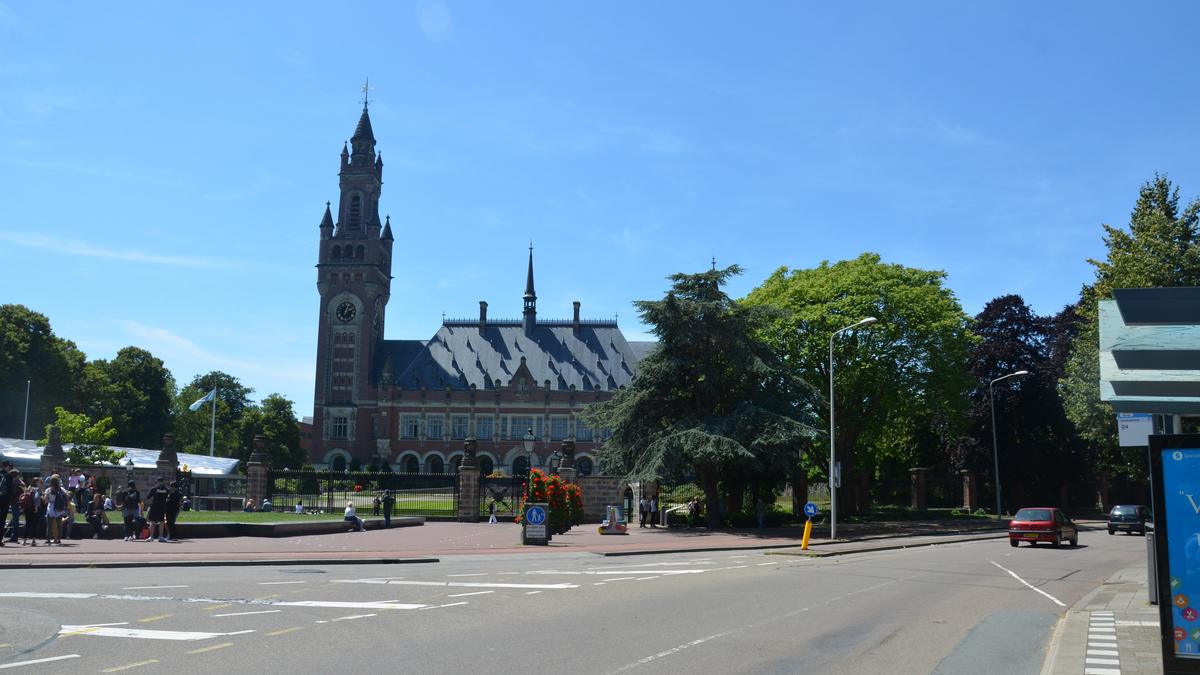
The International Court of Justice found on Thursday, 19 November 2026, that Myanmar committed genocide against the Rohingya in northern Rakhine State, in violation of the 1948 Genocide Convention. ICJ President Yuji Iwasawa announced a 9–6 decision, the Associated Press, BBC News, The Guardian and Al Jazeera reported. It is the first time the court has found a state responsible for genocide.
Iwasawa said Myanmar's security forces "killed thousands of Rohingya civilians, perpetrated widespread acts of sexual violence as well as acts of extreme violence against children and attacked fleeing Rohingya as they sought to flee in large numbers to Bangladesh," according to the wording carried by AP and Al Jazeera. He told the court that evidence showed Myanmar forces killed some 10,000 Rohingya, Al Jazeera reported, during a reading of the judgment that lasted about three hours. The BBC said the court determined that around 10,000 Rohingya were "violently killed during clearance operations" in 2017. The 2017 military campaign drove more than 730,000 Rohingya, most of them Muslim, into Bangladesh, those reports said.
The legal core of a genocide finding is intent. Iwasawa said the "only reasonable inference" from the evidence was that Myanmar's forces acted with the intent to destroy a "substantial part" of the Rohingya group, AP, the Guardian and Al Jazeera reported. The BBC summarised his remarks as finding an "intention to destroy" a substantial part of the Rohingya, and said the court also found "extensive destruction of evidence" and a failure to investigate, prosecute and punish those who committed genocidal offences. The Guardian quoted Iwasawa as saying a majority of the 15 judges found that "the Republic of the Union of Myanmar has committed genocide against the Rohingya."
The case was brought in 2019 by The Gambia, which asked the court to hold Myanmar to the Genocide Convention, order it to stop unlawful acts against the Rohingya and ensure that those responsible are punished. Myanmar denied the accusations and said its forces were responding to attacks by the Arakan Rohingya Salvation Army, the BBC and Al Jazeera reported. The court recognised attacks by that group leading up to August 2017, the BBC said, but still found that the clearance operations amounted to genocide. It also found that Myanmar violated its obligation to prevent genocide, including when armed civilians joined the campaign, and that it should have known the risk, Al Jazeera reported.
The court ordered remedies. AP said Myanmar was told to investigate, prosecute and punish those found to have committed genocidal acts, to pay compensation — the amount to be set in later proceedings — and to allow Rohingya "safe, voluntary and dignified return to their place of residence." Al Jazeera listed further elements of restitution described by the court: returning or replacing damaged collective property; searching for the disappeared and ensuring proper burials; physical and psychological rehabilitation; and protection from persecution. The BBC reported related majorities on the duty to enact legislation giving effect to the convention and to investigate persons reasonably suspected of acts contrary to it.
The judgment is final and legally binding, AP noted, but the court has no police of its own. It depends on the UN Security Council and political pressure, the BBC cautioned, so for many Rohingya the ruling is of huge symbolic weight without, by itself, taking them safely home. More than 1.3 million Rohingya remain displaced across South and Southeast Asia, including about 1.2 million in camps at Cox's Bazar in Bangladesh, according to UN figures cited by Al Jazeera. Human rights groups welcomed the decision; Amnesty International said it hoped the ruling would mark the start of a long-overdue process of accountability, Al Jazeera reported.
Context matters because "genocide" is a legal term with a high threshold, not a synonym for mass atrocity. The court had to be satisfied not only that killings, sexual violence, harm to children and attacks on people fleeing had occurred, but that those acts were carried out with the specific intent to destroy the group in whole or in part. Al Jazeera, citing its correspondent at The Hague, said the court treated the Rohingya as a protected group and found at least four kinds of genocidal act proven, including mass killing, forced displacement, serious harm and measures affecting births. Whether the Security Council now acts, and whether Myanmar's authorities — themselves divided by years of conflict after the 2021 coup — comply, is a political question the judgment cannot settle. The finding still changes the official record: the world's principal court on disputes between states has now said, by a majority, that a state committed genocide.
Sources: Associated Press, 19 November 2026; BBC News live coverage, 19 November 2026; The Guardian, 19 November 2026; Al Jazeera, 19 November 2026; Deutsche Welle, 19 November 2026.