Hungarian investigators find cash buried in forests and hidden in safes in Seszták probe
Hungary's National Asset Recovery and Protection Office said investigators found 5,071,632,000 forints, €2,658,350 and US$1,257,100 during searches on 12 and 13 November in a criminal case concerning former development minister Miklós Seszták. Some of the cash was buried in forests; the rest was hidden in buildings and a secluded safe. Seszták has denied wrongdoing, and his lawyer has said the seized cash is not his.
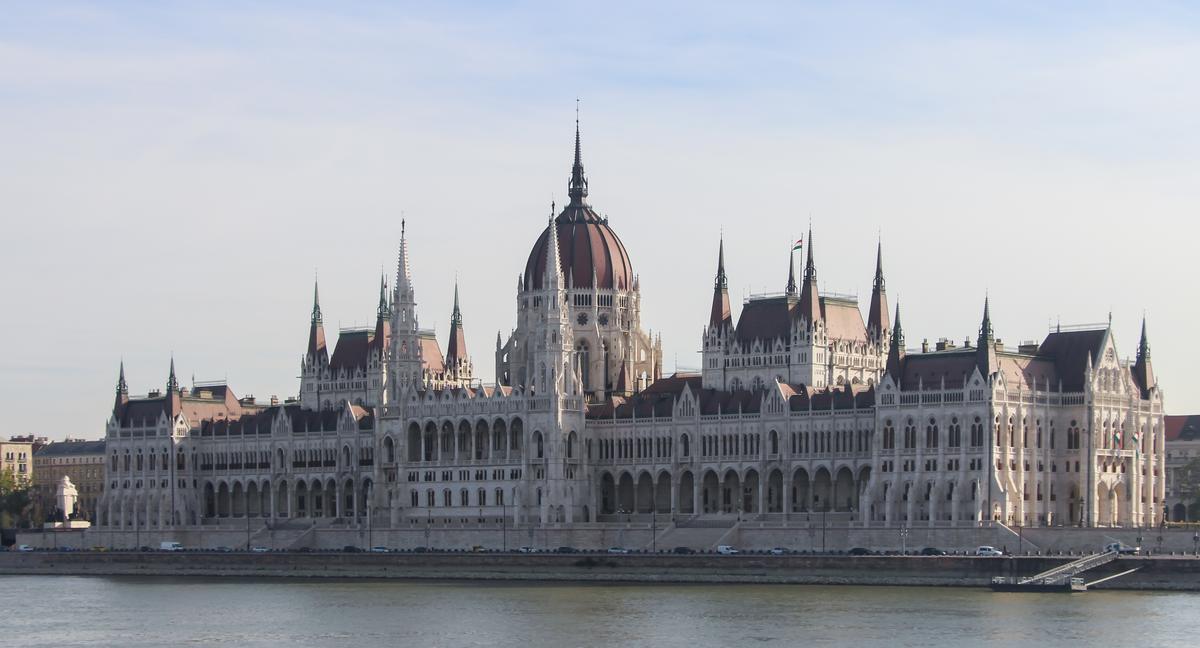
Hungary's National Asset Recovery and Protection Office (NVVH) said investigators found a large quantity of cash during coordinated searches on 12 and 13 November 2026 in Budapest and in Pest, Békés and Nógrád counties, as part of a criminal investigation concerning Miklós Seszták, a former minister of national development, according to an official statement issued by the office on Friday evening through the MTI National Press Office. The cash amounted to 5,071,632,000 forints, €2,658,350 and US$1,257,100, the statement said. Investigators found some of it buried in forests, and the rest hidden in agricultural and warehouse buildings, a residential property, and a high-value safe in a secluded location, the NVVH said. Staff deposited the cash with the Hungarian State Treasury on Friday, the office added.
The BBC put the combined value of those amounts at $19.5 million; the Hungarian journalist Szabolcs Panyi put it at €17.7 million. The figures vary with the exchange rate used. Finance Minister András Kármán said 12 Treasury employees spent eight hours counting the cash with five counting machines, Politico and Reuters reported. On Friday evening the NVVH had already posted an official compilation of the searches, including investigators digging cash out of a forest at night and sorting bundles in warehouses, with a caption thanking staff who worked in the November rain. On Saturday the NVVH posted a short official video on its Facebook page showing the sorted bundles after they had been placed in official Treasury deposit, with the same three amounts in the caption.
Official NVVH video of the counted cash:
Seszták served as minister of national development from 2014 to 2018 in the government of former prime minister Viktor Orbán and is a member of parliament for the Christian Democratic People's Party (KDNP). He has been in pre-trial detention since late September, BBC, Reuters and Euronews reported. Euronews, citing the investigation, said there is suspicion that between 2015 and 2018 Seszták and the then chief executive of Hungarian National Asset Management (MNV) received more than 11 billion forints in illicit payments from representatives of companies contracted by Volánbusz, the state-owned bus operator. The BBC said he is accused of accepting bribes as part of a scheme involving the state transport company. Those remain allegations in an ongoing case.
Seszták has denied any wrongdoing, BBC, Reuters and Politico reported. His lawyer, Gábor Papp, told the Hungarian news website Telex that the seized cash did not belong to Seszták and that the bribery case also involves other suspects, Reuters reported. Papp did not immediately respond to a Reuters request for comment on the NVVH statement. The discovery of hidden cash during the investigation does not, by itself, establish that Seszták owned the money or that he hid it. He is entitled to the presumption of innocence.
Prime Minister Péter Magyar, who unseated Orbán in the April 2026 election, described the find as the end of the "mafia." "This officially marks the end for the Fidesz-KDNP mafia!" he wrote on Facebook, Politico reported. Fidesz said in a Facebook post that it trusted "the images published by the NVVH have nothing to do with Miklós Seszták," Reuters reported. Bence Rétvári, the parliamentary group leader of the Christian Democrats, said Seszták should relinquish his mandate while he seeks to clear his name, and that the case is an individual criminal matter that must be kept separate from the political community, Reuters reported.
Magyar has framed a wider anti-corruption drive, which he has called "Operation Purgatory," as an investigation into alleged graft during Orbán's 16 years in office, BBC and Reuters reported. Orbán has strongly denied long-standing accusations of corruption and, in other recent cases, has described law-enforcement action against people around him as political revenge, the BBC reported.
Sources: Nemzeti Vagyonvisszaszerzési és Vagyonvédelmi Hivatal (NVVH) official statement, 13 November 2026, via the MTI National Press Office; official NVVH Facebook videos, 13 and 14 November 2026; BBC; Politico; Reuters; Euronews; Telex, as cited by Reuters.