Houthis threaten Jeddah and all Saudi Red Sea ports after coalition hits Yemen's Ras Isa port
The Saudi-led coalition told civilians on Sunday, 29 November 2026, to leave Yemen's Ras Isa port and then announced a "military response" against the Houthis. The Iran-aligned group said Jeddah and every other Saudi port on the Red Sea would now be targets, told port workers to evacuate and urged shipping companies to move their vessels out.
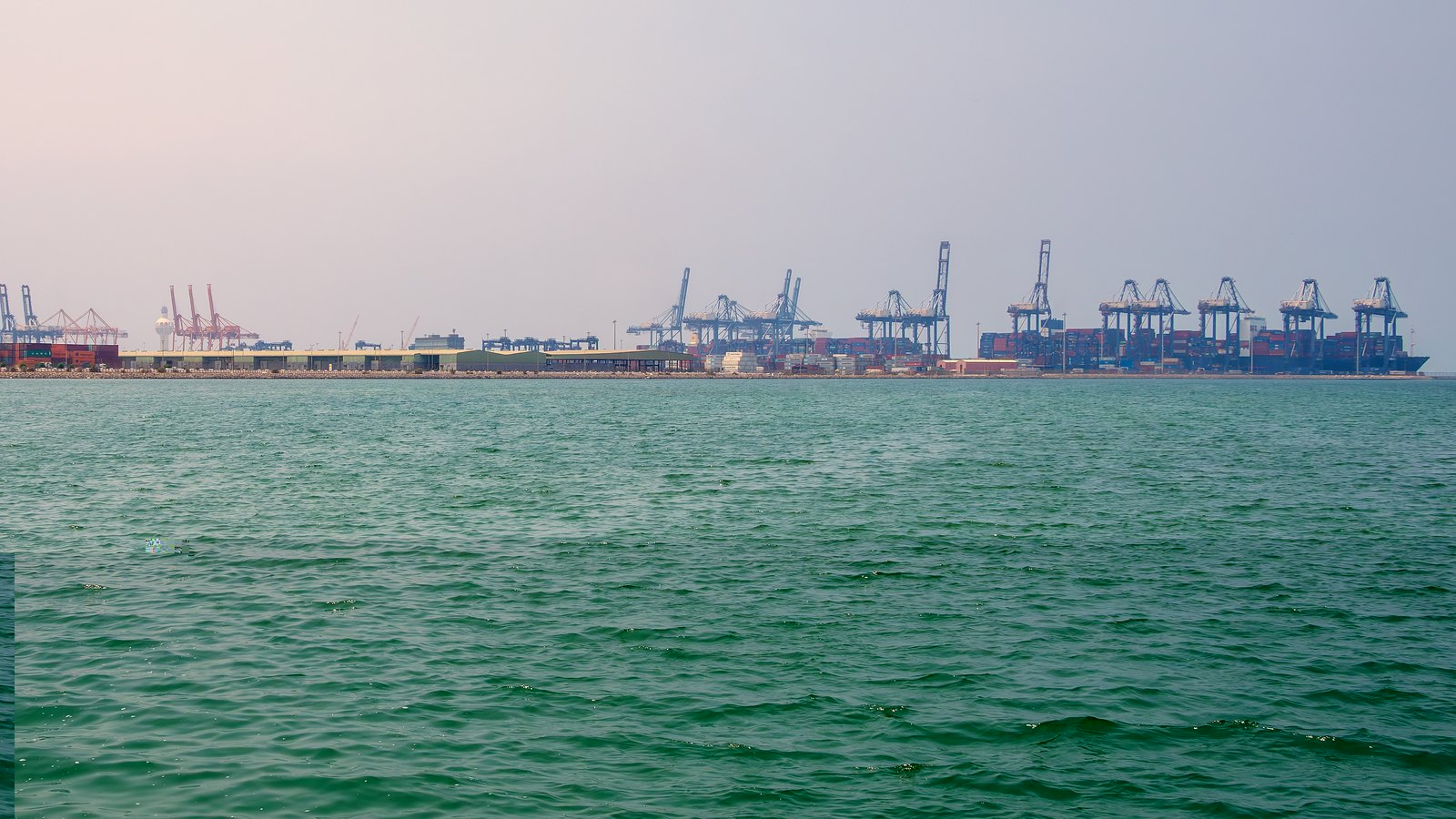
The war between Saudi Arabia and Yemen's Houthi movement moved closer to the Red Sea's commercial heart on Sunday, 29 November 2026. The Saudi-led coalition first told civilians to leave Ras Isa, the main fuel import port in Houthi-held northern Yemen, and then announced a military operation. Within hours the Houthis answered with a threat of their own: Jeddah port and all other Saudi ports on the Red Sea coast, they said, would now be targets for their forces.
What happened
Coalition spokesperson Major General Turki al-Malki posted a warning on social media asking civilians to evacuate Ras Isa port "for their safety", together with a map marking the area, Arab News reported. Shortly afterwards he wrote that the coalition was "carrying out a military response to the terrorist Houthi militia's targeting of civilians and civilian objects". Reuters reported that the coalition's statement described strikes against the port, while Al Arabiya said a military operation had been launched following the evacuation warning.
The Houthi-run Al Masirah television channel reported that Saudi Arabia had attacked Ras Isa, which lies in the western province of Hodeidah. The group then said that Jeddah and every other Saudi port along the Red Sea would be considered targets in response. According to Reuters, the Houthis also called on workers and people living near Saudi Red Sea ports to evacuate immediately and urged all shipping companies to remove their vessels from those ports. No casualty figures from Ras Isa had been independently confirmed by Sunday afternoon.
The strike followed a separate coalition operation on Saturday which, according to al-Malki, destroyed facilities the Houthis used to launch ballistic missiles and drones at civilian areas and to threaten shipping in the southern Red Sea and the Bab al-Mandab strait.
Why Ras Isa matters
Ras Isa was a crude oil export terminal before Yemen's war began and has since become the main entry point for fuel shipments into territory controlled by the Houthis. That makes it both an economic lifeline for the group and a sensitive humanitarian site, because fuel powers water pumps, hospitals and transport for millions of people in the north. The port has been hit before: United States forces struck it in April 2025, saying they wanted to cut off a source of fuel and revenue for the Houthis, and Israel bombed it, together with two other Yemeni ports, in July 2025.
Jeddah, by contrast, is Saudi Arabia's largest port on the Red Sea and the main sea gateway for pilgrims travelling to Mecca. Further north, Yanbu is the terminus of the East-West pipeline that allows the kingdom to export crude without passing through the Strait of Hormuz. A credible threat to these facilities would therefore affect not only Saudi trade but also global energy flows and shipping insurance costs.
Background: a war that reignited
Saudi Arabia intervened in Yemen in 2015 at the head of an Arab coalition after the Houthis seized the capital, Sanaa. A ceasefire agreed in 2022 largely held until fighting restarted earlier this year. Since then the Houthis have taken stretches of the Red Sea coast near the Bab al-Mandab strait, encircled the city of Taiz and moved to roughly 60 kilometres from Aden, the government's interim capital, Reuters reported. The group has repeatedly fired missiles and drones at Saudi airports, ports, energy sites and office towers in Riyadh, while the kingdom has intensified air strikes on Houthi targets.
The escalation has followed a clear pattern of tit-for-tat attacks on economic infrastructure. Earlier in November, when the coalition struck Hodeidah port, the main gateway for commercial goods and humanitarian aid into Houthi areas, the group issued similar warnings to Saudi ports. Last week it claimed an attack on a port in Saudi Arabia's southern Jazan province. Pakistan, meanwhile, has begun deploying troops to Saudi Arabia under the two countries' defence pact, as we reported earlier today.
The coalition's message: talks or pressure
In an interview with Reuters published the same day, al-Malki said the war "can end ... tomorrow" if the Houthis accept the UN-backed roadmap with the Yemeni government. Until then, he said, the coalition would keep up military pressure, providing round-the-clock close air support to government forces and destroying ballistic missiles, launchers and drone components. He described Aden as a "red line" and said the coalition would do "whatever it takes" to protect it, but rejected the idea of sending Saudi ground troops into Yemen. The Houthis, for their part, demand that Riyadh end its support for the government, lift restrictions on Yemen's air and sea ports and pay compensation.
What happens next
The key question is whether the Houthis try to act on their threat against Jeddah or other Red Sea ports, and whether shipping lines change schedules in response. Any attack on a major Saudi port would mark a significant widening of the conflict and could push up freight and insurance costs across the Red Sea, a route that has been repeatedly disrupted in recent years. Humanitarian agencies are also likely to warn about the impact of further damage to Ras Isa on fuel supplies in northern Yemen. Today News Brief will update this story as official information becomes available.
Sources
Reuters via The Straits Times, 29 November 2026 ; Reuters via The Jerusalem Post ; Arab News ; Al Arabiya ; France 24 ; Reuters interview with Turki al-Malki via Al-Monitor.