Estonia to close road border crossings with Russia from 1 December
Estonia says it will close road border crossings with Russia from 1 December after sabotage attacks it attributes to Russian military intelligence.
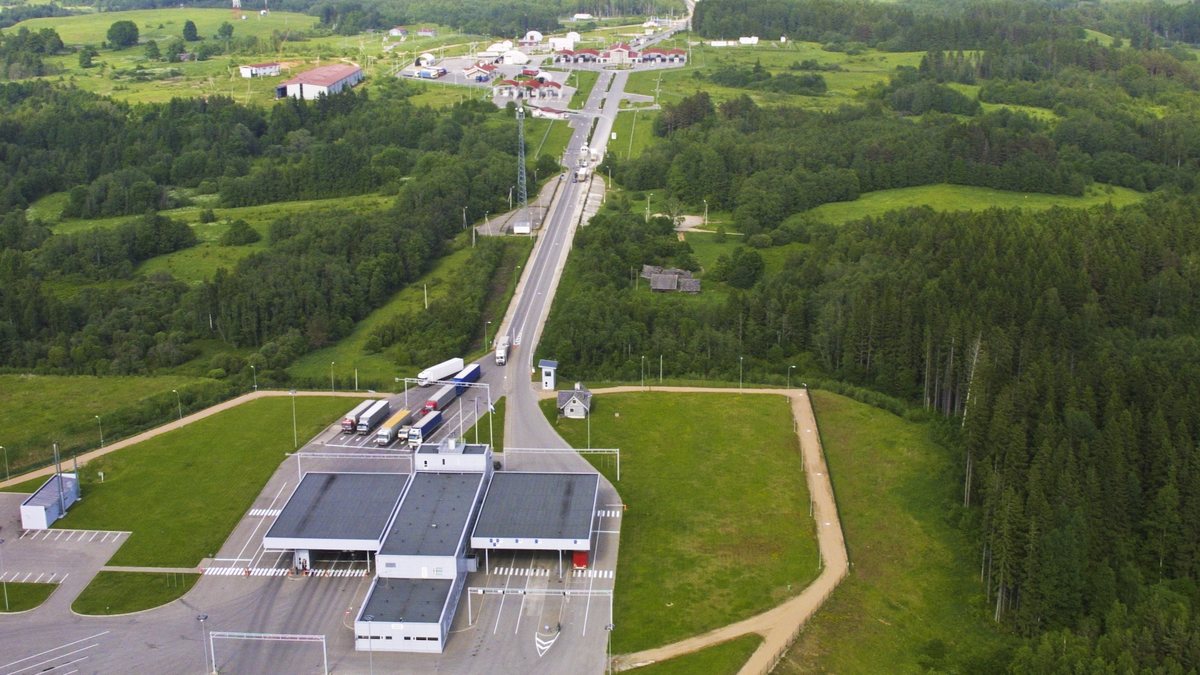
Estonia will close its road border crossings with Russia from 1 December following sabotage attacks Tallinn attributes to Russia’s military intelligence service, the foreign ministry said. The announcement affects road crossings and represents a significant tightening of the country’s border policy.
Foreign Minister Margus Tsahkna said the decision followed security assessments after incidents linked by Estonian authorities to the GRU, Russia’s military intelligence agency. Estonia said the measure was intended to protect public security and prevent further hostile activity.
The closure comes amid heightened tensions between Russia and NATO’s eastern members. Estonia shares a long land border with Russia and has already taken steps in recent years to strengthen border security and curb movements it considers a security risk.
Officials did not present the move as a permanent change to every form of travel. The government said more operational details would be communicated before the December deadline. Further guidance is expected from Estonia’s authorities.
The decision followed an attempted arson attack on Saturday, 14 November, on the premises of Threod Systems, an Estonian maker of reconnaissance and attack drones in Viimsi, north of Tallinn, ERR News reported. Eight people living in Latvia were detained, and the Internal Security Service (KAPO) said the attack had been ordered by the GRU. It was the second attempted arson attack on an Estonian defence company since August, ERR said.
Estonia has three road crossings with Russia, at Narva, Luhamaa and Koidula, which are open to pedestrians and goods. Interior Minister Igor Taro said they would be closed to pedestrians and vehicles and that people would have about two weeks to return home, while the Narva railway crossing would initially stay open, according to ERR. In Moscow, Foreign Ministry spokeswoman Maria Zakharova told TASS that a closure would be "yet another bout" of Russophobia, Reuters reported. Tsahkna said he had informed his counterparts in Lithuania, Latvia, Finland and the EU.