COP31 in Antalya ends without a climate pact as the EU rejects a text silent on fossil fuels
The UN climate summit COP31 in Antalya, Türkiye, ended on Sunday, 22 November 2026, without its planned Antalya Pact. After two days of overtime, the EU, Panama and other countries objected to a final text that omitted any reference to fossil fuels, and COP31 president Murat Kurum said the decisions could not be adopted. UN chief António Guterres called it a deeply disappointing setback.
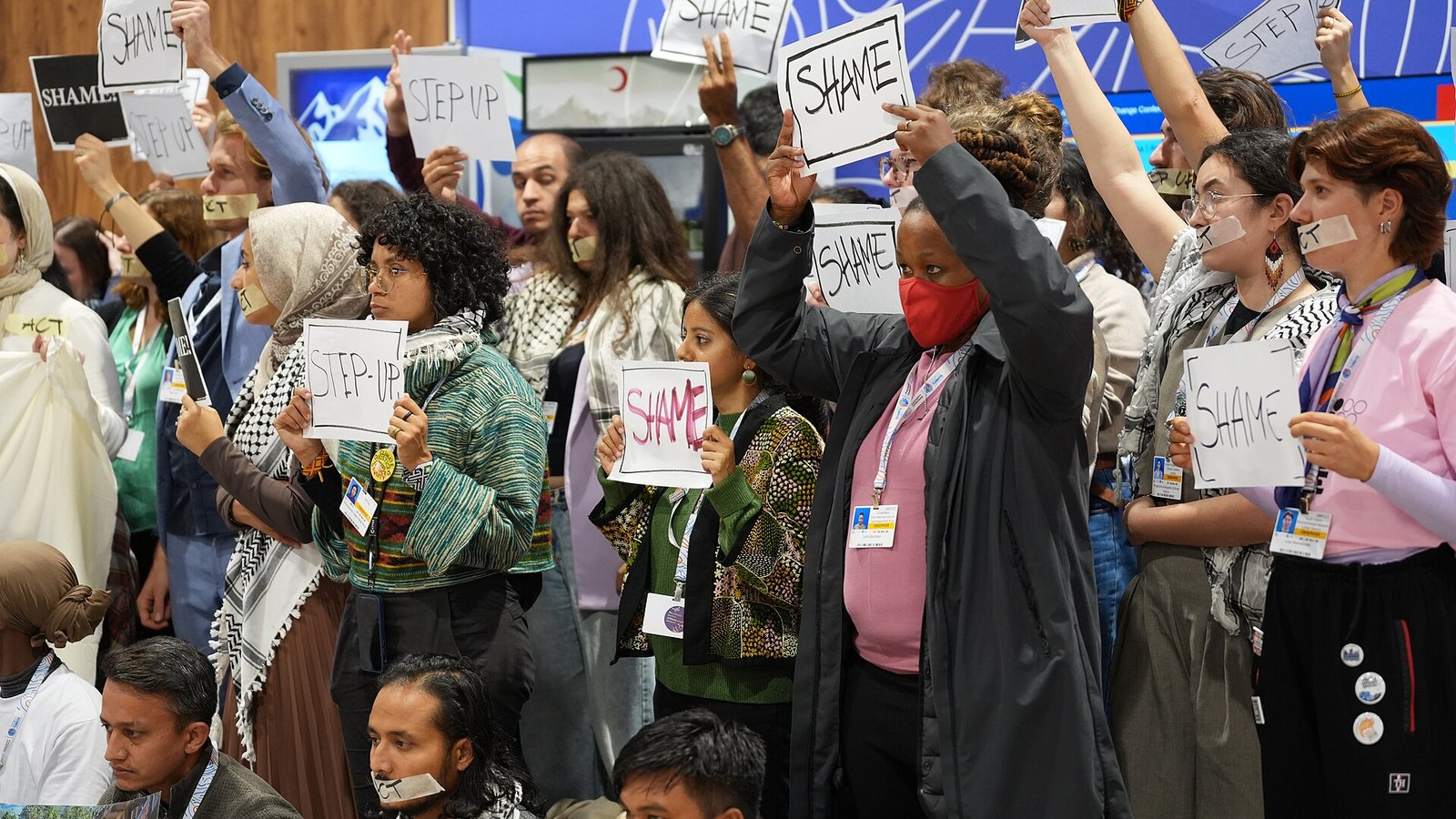
The 31st United Nations climate conference, COP31, ended in Antalya, Türkiye, on Sunday, 22 November 2026, without the overarching agreement its hosts had called the Antalya Pact. After two weeks of negotiations and almost two extra days of overtime, the summit's president, Turkish environment minister Murat Kurum, told the closing plenary that several parties objected to the third and final draft. "I understand that there is no agreement on this text. For that reason, these decisions have not been adopted," he said. According to UN News, Antalya has become the longest-running UN climate summit on record.
The dispute that sank the deal was the same one that has shadowed climate diplomacy for years: what to say about fossil fuels. The European Union formally objected to the cover decision because it contained no reference to fossil fuels or to a transition away from them, an omission the bloc called "unconscionable". Ireland, which holds the rotating EU presidency, said through its climate minister Darragh O'Brien that the text "does not meet the moment". Panama, the Marshall Islands and other climate-vulnerable countries also refused to back it, arguing that it weakened commitments agreed at earlier summits.
On the other side, producer countries defended the draft. Speaking for the League of Arab States, Saudi Arabia supported the references to carbon capture and storage, rejecting claims that the technology amounts to greenwashing. The African Group, represented by Ghana, criticised the thin treatment of climate finance, loss and damage and the just transition, which it said received "a single generic sentence", but said it would not block consensus. Pakistan urged delegates to keep building "bridges, not barriers". Under UN rules, decisions require consensus, so a handful of formal objections is enough to stop a text.
UN Secretary-General António Guterres called the result a "deeply disappointing" setback. "There may be no consensus in the negotiating room. There is no ambiguity in the science," he said in a statement, warning that the world is on course to exceed the 1.5°C warming limit agreed in Paris in 2015. He recalled that governments had already agreed at COP28 in Dubai to transition away from fossil fuels and said the task now is to accelerate and finance that shift. UN climate chief Simon Stiell told delegates that "the world cannot afford a repeat of this moment".
The collapse does not leave the conference empty-handed. Stiell pointed to an agreement on a just transition work programme and to a series of initiatives under the COP31 Action Agenda on electrification, resilience and investment. But these are secondary decisions. The cover text was meant to give the political signal of the year, and its absence will be read in capitals and markets as a sign that the multilateral process is struggling to move beyond the language of Dubai.
The format of this COP was also unusual. Türkiye hosted the summit in Antalya while Australia, represented by climate and energy minister Chris Bowen, co-chaired the negotiations, a compromise reached after both countries bid for the 2026 conference. The successive drafts tried to bridge the gap by acknowledging that warming is on course to pass 1.5°C and by calling for more carbon removal, but each attempt to soften fossil fuel language for producers cost support among the most ambitious group.
The outcome comes in a difficult context. Energy prices have been pushed higher this year by the conflict involving Iran and the disruption in the Strait of Hormuz, and several governments face elections in which climate costs are a campaign theme. In Antalya, demonstrators held protests on the last days of the talks to denounce what they called the failure of the summit. For vulnerable states, the stakes are concrete: rising seas, heat and storms, and the money needed to adapt.
Attention now shifts to COP32, scheduled for Addis Ababa, Ethiopia, where the questions left open in Antalya will return: how to phrase and implement the transition away from coal, oil and gas, how to scale up finance for developing countries, and how to respond to national climate plans that, taken together, still fall short of the Paris goals. Until then, countries keep their existing obligations, and the agreement reached at COP28 remains the latest consensus language on fossil fuels.
Sources: UN News, 22 November 2026; The Guardian, 22 November 2026; Al Jazeera, 22 November 2026; Xinhua, 22 November 2026.