Albania’s Independence Day protest turns violent in Tirana: 35 injured as thousands demand Rama’s resignation
Thousands marched in Tirana on Albania’s Independence Day, 28 November, demanding PM Edi Rama resign. Masked groups threw stones and petrol bombs at ministries, police used tear gas and water cannon, and 35 people were treated in hospital. Protesters plan to march again on Sunday.
Albania’s Independence Day turned into one of the most violent days of its months-long protest wave on Saturday, 28 November 2026, as thousands of demonstrators marched through central Tirana demanding the resignation of Prime Minister Edi Rama. What began as a peaceful rally called by students and opposition figures ended with stones and petrol bombs thrown at police and government buildings, and with riot officers answering with tear gas, water cannon and, according to AFP, rubber bullets. The health ministry said 35 people needed medical treatment, among them police officers, protesters and journalists.
What happened in Tirana
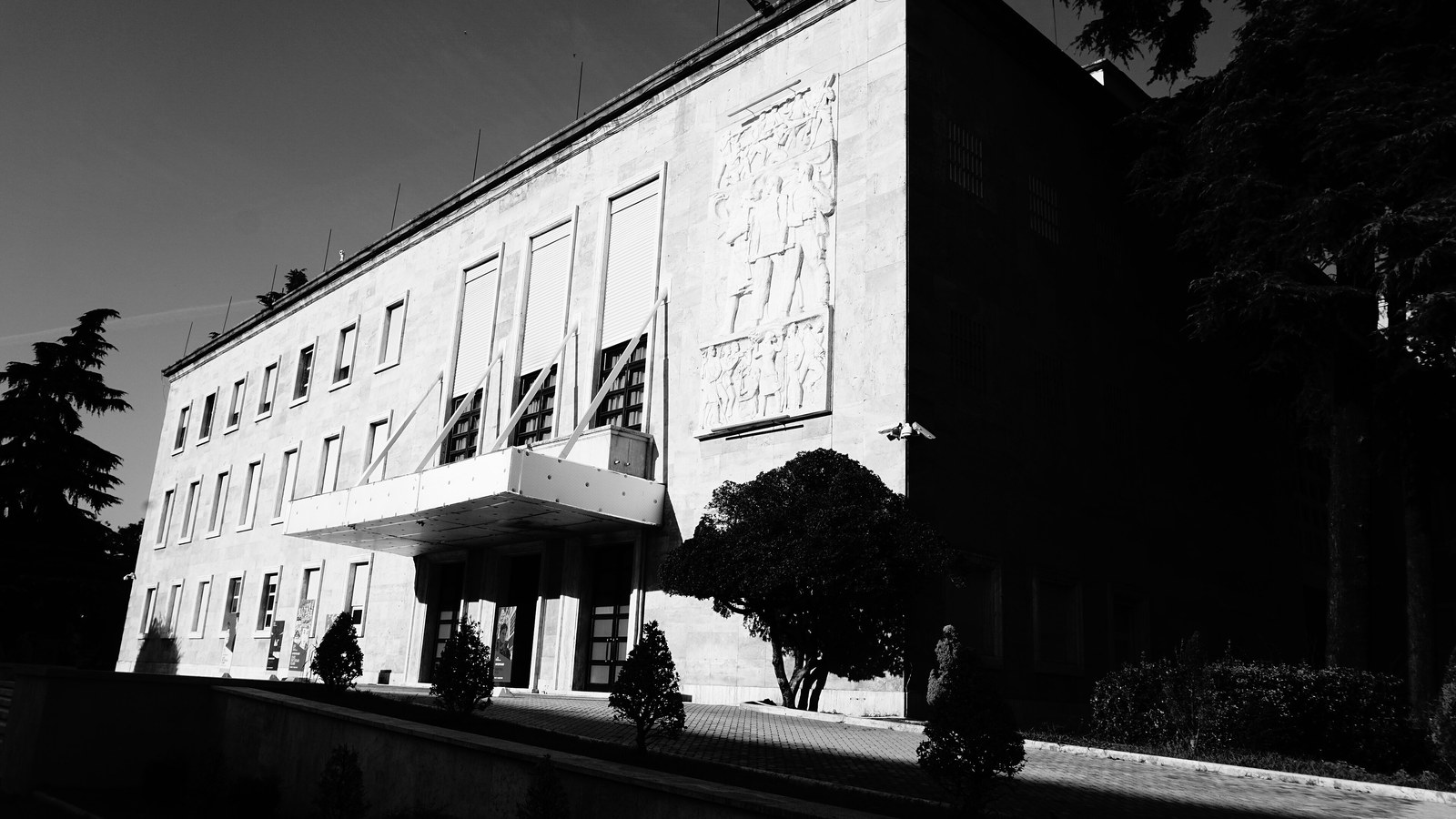
The march followed Dëshmorët e Kombit Boulevard, the capital’s main avenue, towards Skanderbeg Square and the prime minister’s office. Al Jazeera, drawing on AFP, AP and Reuters, reported that small groups of masked people broke away from the main crowd and began smashing the windows of ministry buildings along the route. Footage showed the boulevard covered in thick smoke as both sides exchanged projectiles, and the inside of the environment ministry building on fire. AFP said masked protesters also broke windows at the transport ministry and the central bank and tried to force the door of the interior ministry. POLITICO Europe reported that police used drones to drop tear gas canisters into the crowd and managed to stop the unrest from reaching Rama’s office.
Albania’s public broadcaster RTSH listed damage at the National Puppet Theatre, the environment ministry, the Bank of Albania and Tirana City Hall. Before the march, police had set up checkpoints on the main roads into and out of the capital and were inspecting vehicles.
The injured
According to the Ministry of Health and Social Welfare, quoted by RTSH, 35 people had received treatment by 18:00 local time: 12 police officers, 13 protesters, six media workers, three passers-by and one security worker. Thirty were taken to the University Trauma Hospital in Tirana and five to Mother Teresa University Hospital. Four had already been discharged, and the 26 patients still being treated at the trauma hospital were all reported to be in stable condition. The State Police called on demonstrators to avoid violence and to stop damaging public and private property.
From a hotel project to a national movement
The unrest did not start on Saturday. The leaderless movement, which has become known as the “Flamingo Revolution”, began in May with peaceful rallies against a luxury resort planned in a protected coastal nature reserve in the south of the country, a project linked to Jared Kushner, the son-in-law of US President Donald Trump. Anger over alleged corruption gradually widened the demands: by October, protesters were also pointing to poor hospitals and the lack of prospects for young people, and calling for Rama to step down, for changes to the electoral law and for new elections. In mid-October students and university lecturers joined in, and several protests escalated into riots that caused serious damage in the city centre; POLITICO reported that the College of Europe’s Tirana campus was looted and set on fire.
Some of those on the streets on Saturday had travelled from abroad. “We have been suffering for far too long,” Arian Lleshi, a 33-year-old who came to Tirana from the United Kingdom specifically for the protest, told the Associated Press, describing Albanians who have emigrated across Europe as being “like stateless citizens”.
Rama refuses to go
Rama, in power since 2013, has refused to resign. His government has introduced fines for blocking roads and public spaces and for protests in which damage is caused, a move critics call controversial. His administration has also been hit by a series of scandals: former Deputy Prime Minister Belinda Balluku resigned and is under investigation over financial and corruption allegations, while Tirana’s mayor, Erion Veliaj, is in prison awaiting trial on suspicion of corruption. Both deny wrongdoing, and Rama says his government is the one cracking down on corruption.
The European angle
The timing is awkward for a country that Brussels sees as one of the leading candidates to join the European Union, together with Montenegro, by 2030. In an interview published on Friday, the EU’s enlargement commissioner, Marta Kos, said she opposed violent protesters but saw the demonstrations as a sign that “democracy is working” and that Albanians are free to protest, and suggested that 2027 “can be the year of Albania”. For many demonstrators, however, the main issue is not EU membership but trust in the institutions at home.
What comes next
Protesters have said they will march again on Sunday, 29 November, Albania’s Liberation Day, which marks the end of Nazi occupation in the Second World War. How the police handle that rally, whether the government changes course on fines and electoral reform, and whether the opposition and the student movement keep acting together will decide whether the crisis eases or deepens before the end of the year.
Sources: Al Jazeera (AFP, AP, Reuters), 28 November 2026 ; POLITICO Europe, 28 November 2026 ; RTSH (Albanian public broadcaster), 28 November 2026 ; Euronews Albania, 28 November 2026 ; Associated Press, 28 November 2026