Thanksgiving storm grounds hundreds of US flights and leaves nearly a million without power on the East Coast
A powerful storm disrupted the Thanksgiving holiday along much of the US East Coast on Thursday, 26 November 2026, with wind gusts of up to 112 km/h knocking down trees and power lines. FlightAware recorded 454 US-related flight cancellations and 2,411 delays, with airports around Washington and New York among the worst hit, and nearly one million customers lost power at the peak. The 100th Macy's Thanksgiving Day Parade had already been moved to Saturday.
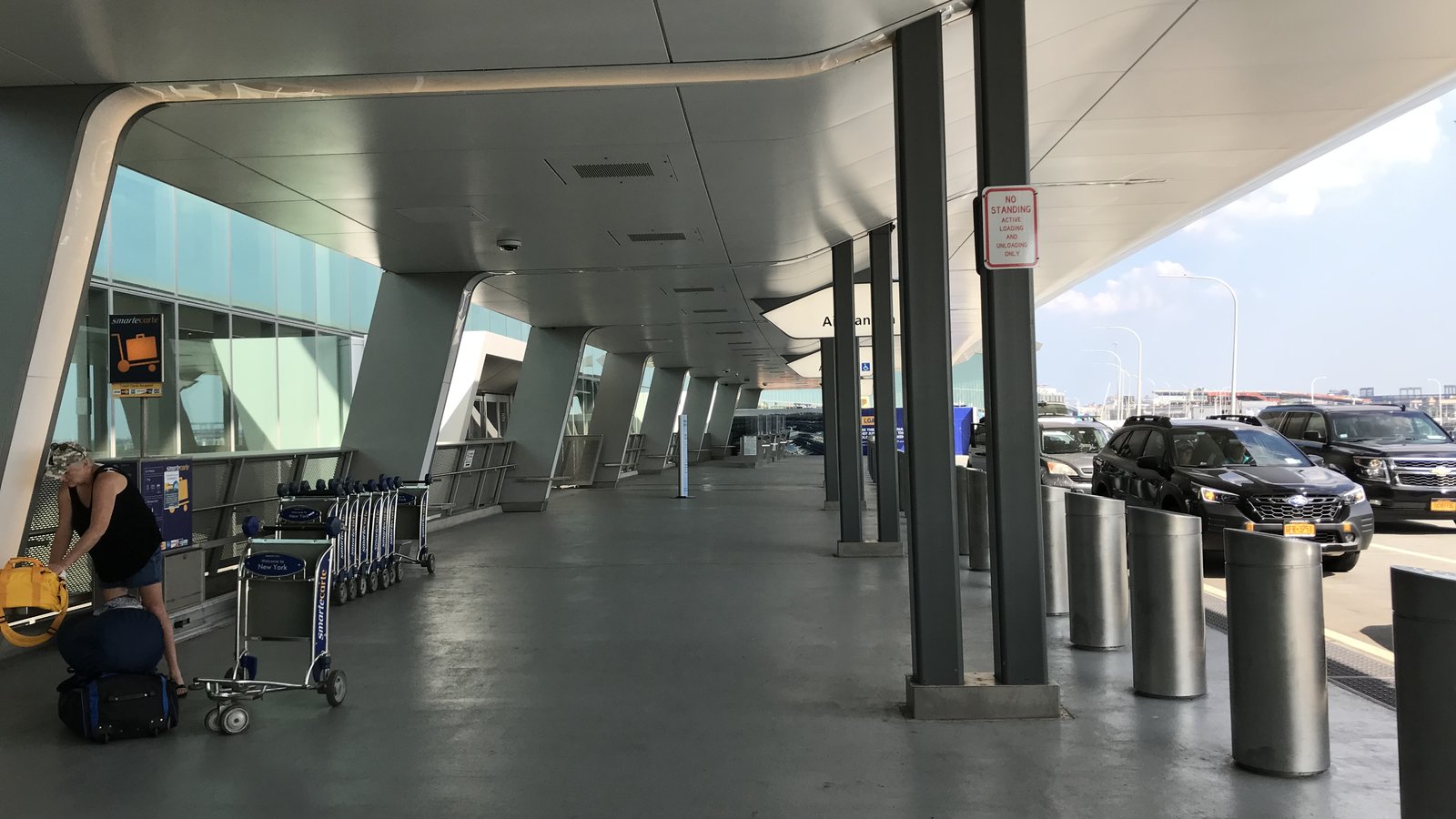
The busiest travel week of the American year ran into one of its worst storms. On Thursday, 26 November 2026, Thanksgiving Day, a powerful storm swept along much of the US East Coast, bringing heavy rain, coastal flooding and wind gusts of up to 70 mph (about 112 km/h). Reuters reported that it knocked out power to nearly one million utility customers at its peak, toppled trees and power lines, and caused widespread disruption at airports from Washington to New York.
According to the flight-tracking service FlightAware, there were 454 US-related flight cancellations and 2,411 delays on Thursday. Major airports in the Washington and New York areas were among the hardest hit; New York City Emergency Management reported winds of 56 mph (90 km/h) at LaGuardia Airport in the afternoon. The Associated Press said high winds and flooding disrupted holiday travel across the region, while the BBC and The Washington Post reported mounting delays and cancellations as the storm moved north.
The power cuts were concentrated in the Mid-Atlantic states. As of 21:56 Eastern Time (04:56 on Friday in Romania), more than 908,000 customers were without electricity, according to PowerOutage.us, down from 961,000 a few hours earlier. They included more than 207,000 in Pennsylvania, over 179,000 in New Jersey, 139,000 in Maryland, 106,000 in Virginia, 100,000 in Missouri and more than 68,000 in New York state. New Jersey declared a state of emergency, the AP reported.
The US National Weather Service said gusts of 50 to 70 mph were reported or forecast across parts of Virginia, Maryland, Delaware, New Jersey, New York and coastal New England. Strong onshore winds combined with seasonal 'king tides' caused flooding in low-lying coastal communities. Elsewhere, a winter storm dropped heavy snow in Missouri and Illinois, and California dealt with coastal flooding during record-breaking tides, according to the AP. Forecasters expected conditions to improve overnight in the Mid-Atlantic as the worst rain and wind moved into New England, with gusty winds of 25 to 35 mph lingering on Friday.
The storm also disrupted one of America's best-known holiday traditions. Officials had already postponed the 100th Macy's Thanksgiving Day Parade in New York from Thursday to Saturday because of the forecast, the first time in its history that the parade has been rescheduled for weather. Mayor Zohran Mamdani and Police Commissioner Jessica Tisch announced the decision on Wednesday, saying the giant balloons could not fly safely in such winds. The parade had previously been cancelled only during the Second World War.
For travellers, the timing could hardly be worse. The days around Thanksgiving are traditionally the busiest of the year for US air travel, and the Sunday after the holiday is usually one of the heaviest return days. Cancellations on Thursday mean that many passengers will be rebooked onto already full flights on Friday and over the weekend, so delays can ripple through airline networks long after the weather clears. Washington and New York are also major gateways for transatlantic flights, including connections used by travellers from Romania and the rest of Europe.
Practical advice: anyone flying to, from or through the US East Coast in the coming days should check their flight status directly with the airline before leaving for the airport and keep the airline's app notifications switched on. Under US Department of Transportation rules, if an airline cancels a flight or significantly changes it and the passenger chooses not to travel, the passenger is entitled to a refund rather than just a voucher. Passengers on flights departing from the EU, or on EU airlines flying into the EU, are also protected by EU passenger rights rules, although compensation is usually not due when disruption is caused by extraordinary circumstances such as severe weather.
Analysis: storms like this one are a reminder of how fragile the air travel system becomes at peak times. Airlines schedule as many seats as possible for Thanksgiving, which leaves little spare capacity to absorb disruptions. Strong crosswinds can force airports to use fewer runways, and air traffic control may slow arrivals to keep spacing safe, which quickly creates queues of aircraft. Coastal flooding during high tides, which scientists link to rising sea levels, is also becoming a more frequent problem for East Coast cities and their transport links.
Separately on Thursday, President Donald Trump said he had approved about 100 million dollars in federal aid to Florida after earlier severe storms and flooding there, Reuters reported. For millions of Americans, the holiday ended with candles instead of electric light and with travel plans rewritten, while utility crews worked through the night to restore power ahead of the weekend's return journeys.
Sources: Reuters, 26 November 2026; The Washington Post, 26 November 2026; Associated Press, 26 November 2026; BBC News, 26 November 2026.