Estonia's road border with Russia closes on 1 December as queues at Narva stretch past a day
Estonia will suspend all road crossings on its border with Russia, at Narva, Koidula, Luhamaa and Saatse, from 1 December 2026, a decision the government took on 20 November citing Russian hostile activity and national security. The closure will be reviewed after six months, and rail freight will continue under strict customs controls. Russia's federal customs service says that in the final days before the closure queues at Narva-Ivangorod can mean waits of more than a day.
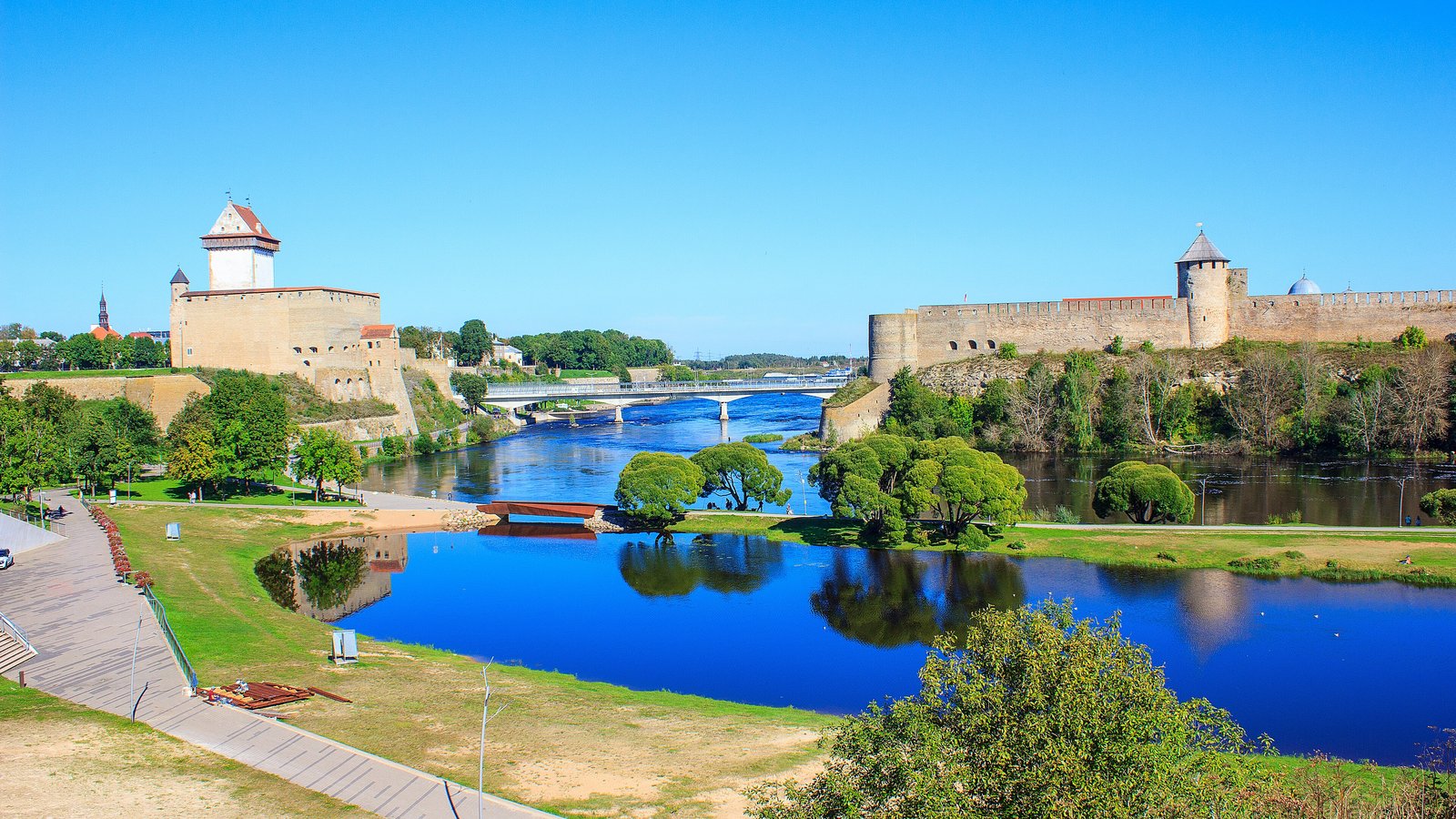
Anyone planning to cross by road between Estonia and Russia has only a few days left. The Estonian government decided on 20 November 2026 to suspend all road border crossings with Russia from 1 December, and with that date now days away, long queues have formed at the busiest crossing, the bridge between Narva in Estonia and Ivangorod in Russia.
The government's announcement says the suspension applies to all road crossing points: Narva-1, Narva-2, Koidula, Luhamaa and Saatse. The Police and Border Guard Board (PBGB), in its own notice dated 26 November, lists four border crossing points, Narva, Koidula, Luhamaa and Saatse, and says it will not be possible to cross either on foot or by vehicle. The decision is open-ended; the government will reassess after six months whether the restriction should continue, change or be lifted, in the interests of national security and public order.
The government gives security as the reason. It says the decision responds to Russia's continuing hostile activities against Estonia and other European countries, and notes that defence-industry companies in Estonia have been attacked twice this year, with the Estonian Internal Security Service saying both attacks were commissioned by Russian intelligence services. 'Russia's hostile actions have consequences,' Prime Minister Kristen Michal said. 'Estonia is acting calmly and deliberately, but decisively.' The government says the measure will make it harder for Russian intelligence to recruit and influence people and will help prevent sanctions evasion and other illegal cross-border activity.
Estonia argues that it is not alone. Finland's land border with Russia has been closed since December 2023, and Latvia, Lithuania and Poland have significantly restricted crossings on their eastern borders in recent years. Estonian officials also say the economic impact is limited: since 2021, goods exports to Russia have fallen to about a third of their previous level, and exports of goods of Estonian origin to about a fifth.
What is not closing is rail freight. The government says rail freight will continue under the existing restrictions and arrangements, subject to strict customs controls. Russian officials, quoted by Interfax, say that the railway crossing in Narva will remain open but that Estonian authorities have said they are ready to close it too.
In the meantime, the rush is real. According to a statement from Russia's Federal Customs Service, quoted by Interfax on 27 November, more than 150 people a day fail to cross before the Estonian checkpoint closes, and waiting times at the pedestrian crossing can exceed a full day. On Thursday about 540 people crossed on foot at Ivangorod, split evenly, 270 in each direction. This is a Russian official claim, and Estonian figures were not available, but the picture of long queues was also reported by Russian state and commercial media.
The practical advice from Estonian authorities is blunt. The PBGB advises against travelling to Russia at all, and says anyone in Russia who plans to return to Estonia should think carefully about the route, because from 1 December road entry will not be possible. The Estonian government adds that people already in Russia should plan their return well in advance and use other routes through countries where crossings with Russia remain open, which may be longer and costlier. Travellers should check visa rules and the entry requirements of the countries along any alternative route before setting out.
The closure will be felt most strongly in Narva and in Setomaa, as well as across Ida-Viru County and south-eastern Estonia, particularly among people whose relatives, jobs or property are on the other side. The government says it will make sure border regions 'remain vibrant and help them adapt'. The border crossing points will not be dismantled: the Narva, Koidula, Luhamaa and Saatse facilities will stay under state control, with additional barriers installed to prevent unauthorised access.
For travellers outside the region the news has a different meaning. Overland routes between the EU and Russia are narrowing and for ordinary tourists the road through Estonia is about to disappear, adding to Finland's closure since 2023. Anyone with bookings, family visits or cargo plans that depend on the Narva crossing should rebook now, not wait for the last day. Information for people affected is being gradually published in English on the government's crisis site, kriis.ee. Today News Brief will report if the government changes the date or the scope of the suspension.
Sources: Government of Estonia, 20 November 2026; Estonian Police and Border Guard Board, 26 November 2026; Interfax (Russian Federal Customs Service statement), 27 November 2026.