Vulcan rocket fails; 40 Amazon Leo satellites lost
ULA said its Vulcan rocket failed on a mission carrying 40 Amazon Leo satellites, which were lost before deployment.
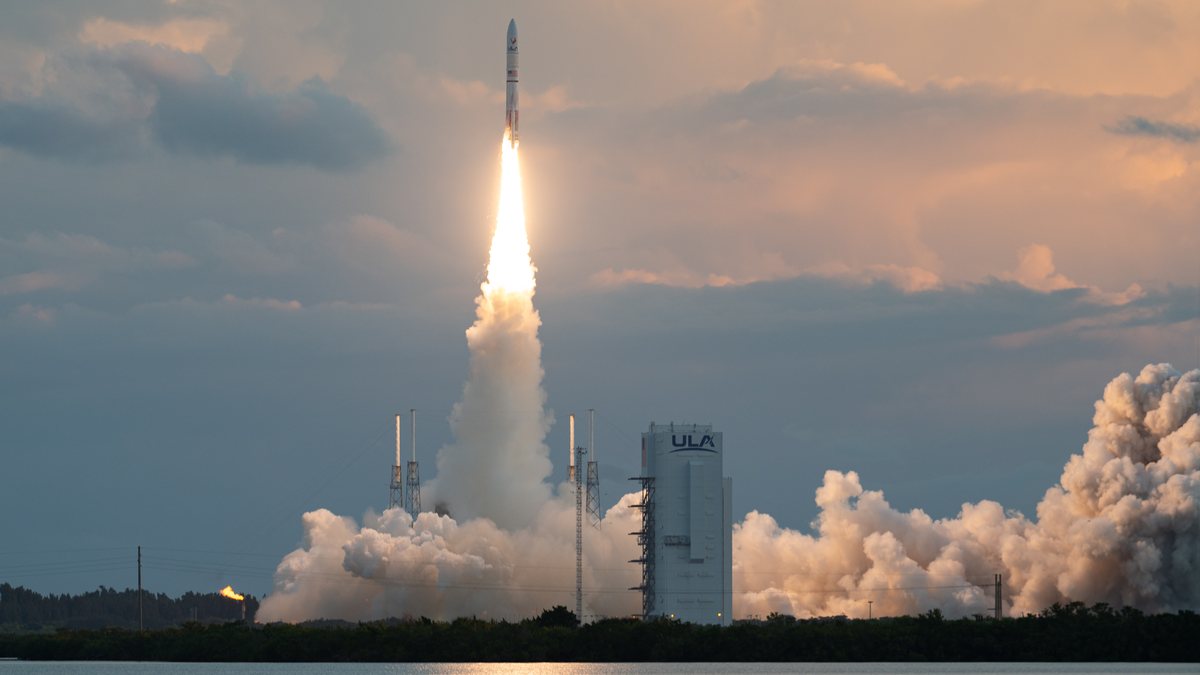
United Launch Alliance’s Vulcan rocket failed during a mission carrying 40 Amazon Leo satellites, ending the launch before the spacecraft could be deployed, ULA said. The satellites were intended for Amazon’s planned low-Earth-orbit broadband network.
ULA confirmed the failure in a public update and said it was reviewing data from the launch. SpaceNews reported that the 40 satellites were lost. The company did not immediately provide a full technical account of what went wrong or a timetable for returning Vulcan to flight.
The result is a setback for Amazon Leo, which needs repeated launches to build its constellation. It also puts attention on Vulcan, a new heavy-lift rocket that ULA is developing for commercial and government missions.
ULA’s launch webcast and official video show the vehicle leaving the pad before the mission failed. Investigators will examine the rocket’s performance and the sequence of events. ULA said further information would be released as the review progresses.
The rocket lifted off from Space Launch Complex 41 at Cape Canaveral Space Force Station at 12:40 p.m. EST on Sunday, 15 November. ULA said the vehicle "suffered an anomaly 10 minutes into the flight and failed to deliver the Amazon mission to orbit", Spaceflight Now reported. The problem occurred during the burn of the Centaur upper stage, and ULA said it would work with its customer to find the cause and return to flight as quickly as possible.
It was the first outright mission failure for ULA, the Boeing-Lockheed Martin joint venture, since it was formed in 2006, Reuters reported. The flight was only the fifth for Vulcan and its first in nine months, after problems with the nozzles of its strap-on solid rocket boosters, which appeared to work normally this time, according to Spaceflight Now.
The mission was the first of 38 Vulcan launches Amazon has bought for Leo, its planned rival to SpaceX's Starlink, which will need more than 3,300 satellites. In a post on X quoted by The Verge, Amazon said "there is risk with any launch" and that it believed ULA would learn from the mission.