FDA authorizes Neuralink's pivotal US trial of its brain implant for people with ALS
Neuralink said the FDA has approved the LINK Pivotal Study, a later-stage trial of its brain implant in people with severe paralysis caused by ALS. The clearance is for the study, not for commercial sale.
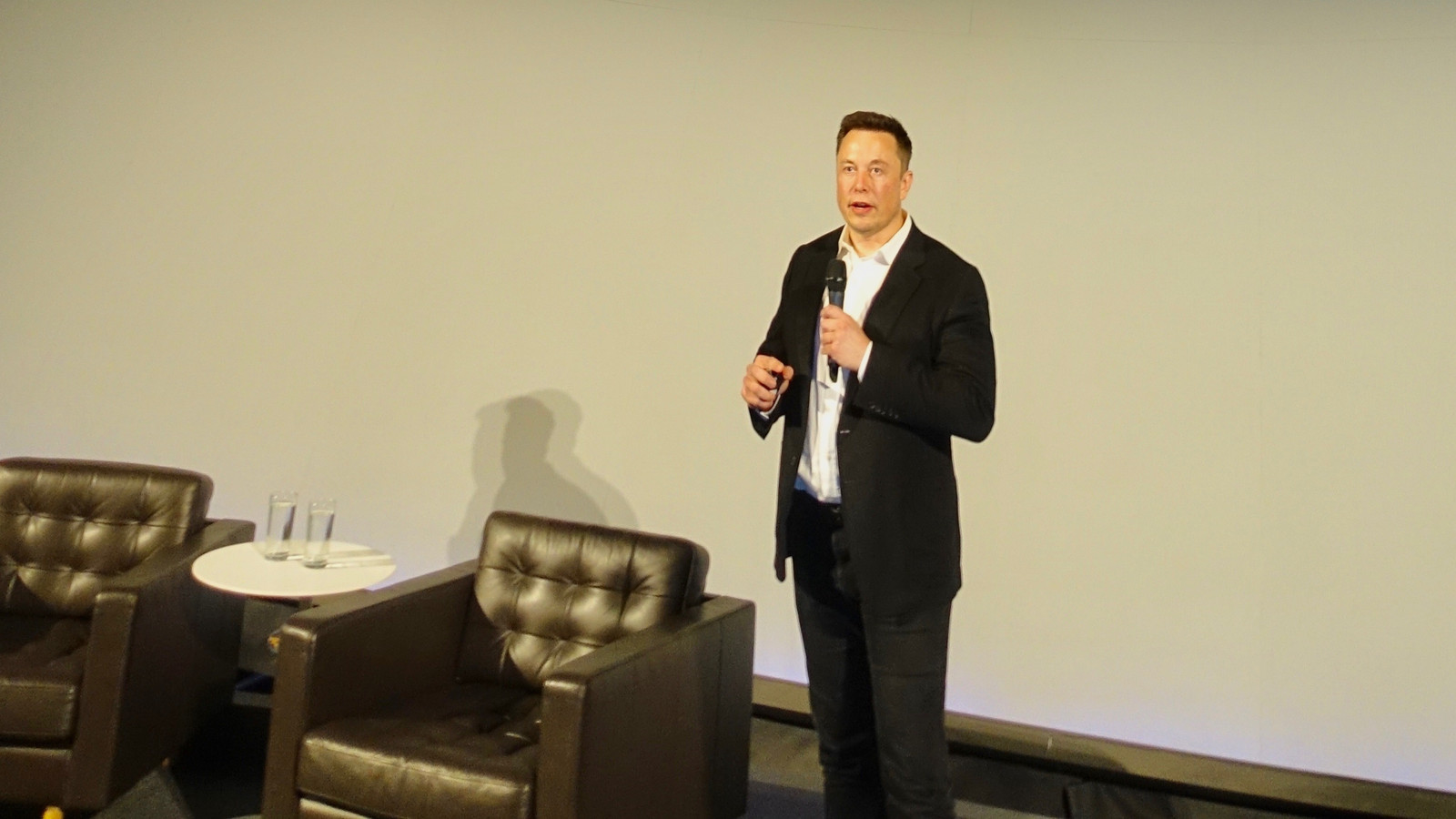
Neuralink said on 25 November 2026 that the U.S. Food and Drug Administration has approved the launch of the LINK Pivotal Study, which the company describes as the first pivotal trial of an implantable brain-computer interface in the United States. The study is intended to evaluate the safety and effectiveness of Neuralink's system in people with severe paralysis caused by amyotrophic lateral sclerosis, or ALS. The company posted the announcement on its website. Bloomberg and The Verge later confirmed the report.
A pivotal trial is a later-stage clinical study, typically designed to generate the evidence a manufacturer would need if it later seeks permission to sell a medical device. That is a different milestone from the early feasibility work Neuralink has been running since the FDA first cleared a limited human study in 2023. The new authorization lets the company conduct this trial. It does not mean the implant has been cleared for sale. Reporting the same announcement, MobiHealthNews noted that the FDA's approval allows Neuralink to run the clinical study but does not authorize the company to market the device. Social media posts that framed the news as a simple green light for "human trials," or as a step away from a public release, flattened that distinction.
According to Neuralink, the LINK Pivotal Study will test whether participants can control digital devices through thought, with a focus on functional outcomes that improve independence in daily life. It will also continue to assess the long-term safety and reliability of the system at multiple clinical sites. Enrollment is now open through the company's patient registry. Neuralink did not say how many people it plans to enroll, how long the study is expected to last, or which hospitals will take part.
The hardware at the center of the program is the N1 implant, a small device seated in the skull, with thin electrode threads that extend into the brain region involved in planning movement. A surgical robot known as the R1 is used to insert those threads. Software then decodes neural activity associated with intended movements and turns it into commands for a computer or another digital device. The immediate aim is to restore a measure of communication and control for people who can no longer use their hands or their voice reliably.
The pivotal study builds on earlier feasibility work in the United States, Canada and the United Kingdom. Neuralink says more than 30 people have received the implant and have collectively logged thousands of hours of real-world use, including study, creative work, video games and communication with family. Those programs include the original U.S. PRIME study, which evaluates the safety of the N1 implant and the R1 robot; CONVOY, which has tested control of physical assistive devices such as a robotic arm; the VOICE study at UT Southwestern Medical Center in Dallas, aimed at severe speech impairment; CAN-PRIME in Toronto, authorized by Health Canada in 2024; and GB-PRIME, a U.K. feasibility trial led by University College London Hospitals. Neuralink has also explored a vision project known as Blindsight, which received an FDA Breakthrough Device designation in 2024, a separate regulatory track from this week's ALS trial approval.
The path has not been uneventful. Neuralink's first human participant, Noland Arbaugh, received the implant in January 2024, after the 2023 clearance of the PRIME study. In 2024, the company and Reuters reported that a number of the implant's tiny threads had retracted from his brain, reducing the number of electrodes that were working as intended. Neuralink later said it had adjusted its recording methods, that the threads had stabilized, and that cursor-control performance had recovered. That history is one reason the new study's emphasis on long-term safety and reliability matters. A pivotal trial is not only a step toward a possible commercial application. It is also a test of whether the system holds up when used by more patients, for longer, and at more than one hospital.
ALS, also known as motor neurone disease, progressively damages the nerve cells that control voluntary muscle movement. Many people with the condition eventually lose the ability to walk, use their hands or speak, while remaining aware. A reliable way to operate a computer or a communication device by thought would not be a cure, but it could preserve a degree of independence. Engadget, reporting Neuralink's announcement, recalled that Bradford Smith, an early participant with ALS, had said the implant gave him "freedom, hope, and faster communication." Those are individual accounts from earlier, smaller studies. The pivotal trial is meant to test whether such results can be shown more systematically.
Neuralink is not the only company working on brain-computer interfaces, and the new clearance should be read in that narrower frame. Competitors have pursued different designs, including less invasive approaches that do not require threads to be placed directly in brain tissue. Elon Musk has often described more ambitious long-term goals for the technology. The authorization announced this week does not approve those broader uses. It allows a specific clinical study in people with severe paralysis due to ALS, and it leaves the central questions — safety, durability and real-world benefit — to be answered in the data the company has now been cleared to collect.
Sources: Neuralink, "Neuralink Receives FDA Approval to Launch LINK Pivotal Study," 25 November 2026, https://neuralink.com/updates/neuralink-receives-fda-approval-to-launch-link-pivotal-study/ ; Bloomberg, Craig Trudell, 25 November 2026, https://www.bloomberg.com/news/articles/2026-11-25/neuralink-gets-clearance-for-brain-implant-trial-in-als-patients ; The Verge, Andrew Liszewski, 26 November 2026, https://www.theverge.com/tech/1043118/neuralink-fda-approval-implantable-brain-computer-interface-amyotrophic-lateral-sclerosis ; MobiHealthNews, Jessica Hagen, 25 November 2026, https://www.mobihealthnews.com/news/neuralink-receives-fda-approval-launch-pivotal-brain-implant-trial-als ; Engadget, Steve Dent, 26 November 2026, https://www.engadget.com/2329008/neuralink-receives-fda-approval-for-brain-implant-trial-in-als-patients/ ; Reuters, 15 May 2024, https://www.reuters.com/technology/musks-neuralink-has-faced-issues-with-its-tiny-wires-years-sources-say-2024-05-15/ ; Reuters, 10 July 2024, https://www.reuters.com/business/healthcare-pharmaceuticals/musks-neuralink-take-risk-mitigation-measures-with-brain-implant-2024-07-10/