'Peeping glasses': Dutch groups ask Amsterdam court to ban Meta's AI glasses as German consumer body sues
Meta's camera-equipped AI glasses faced legal challenges in two EU countries this week. At a hearing in the Amsterdam District Court on Thursday, 26 November 2026, three Dutch organisations argued that the glasses allow covert filming and should be banned or restricted; Meta said it cannot be blamed for misuse. In Germany, the Federation of Consumer Organisations (vzbv) has sued Ray-Ban's maker and started proceedings against Meta over privacy rules. The Dutch ruling is due by 24 December.
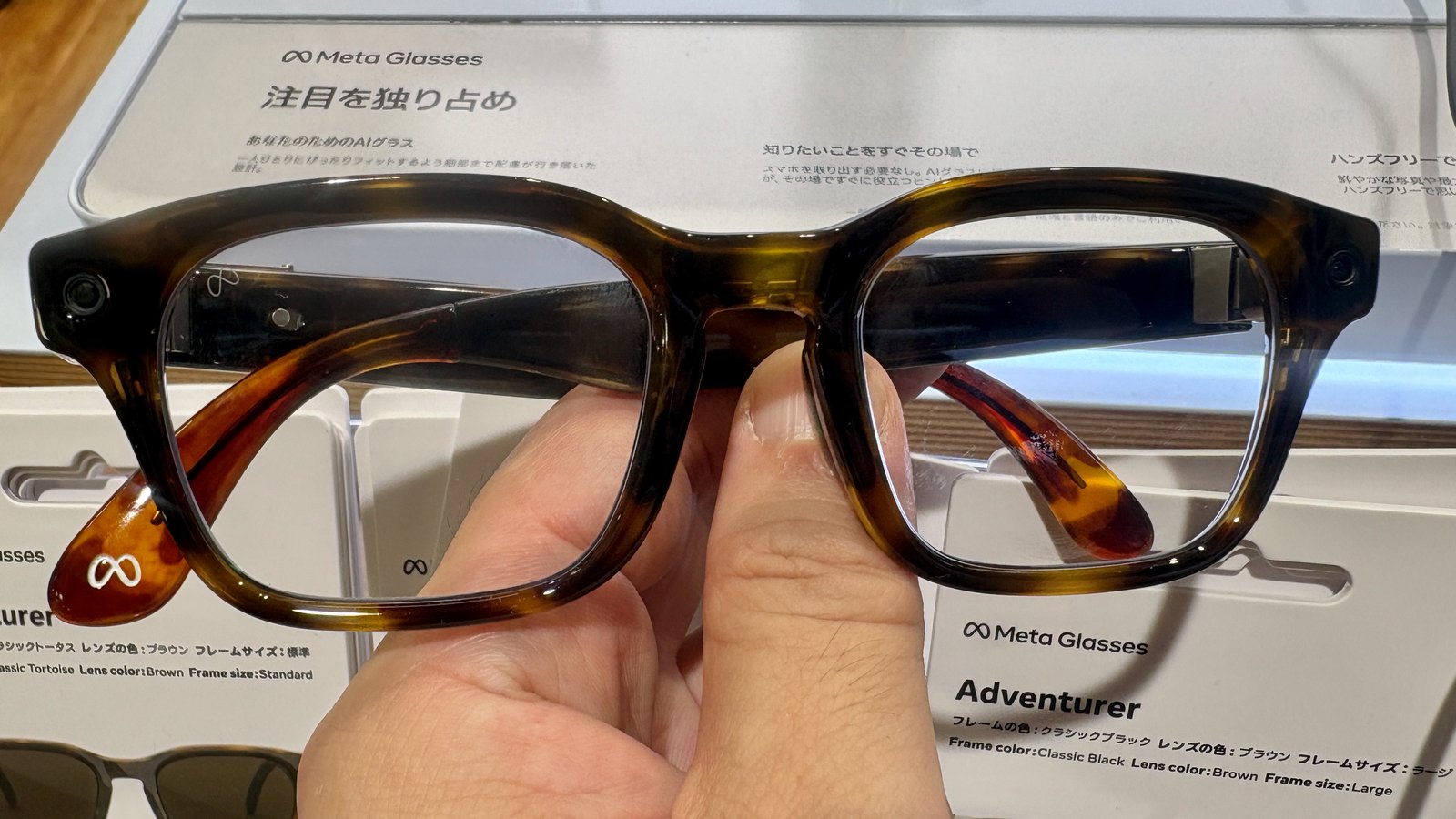
Smart glasses that can quietly film the world are becoming one of Europe's newest privacy battlegrounds. On Thursday, 26 November 2026, lawyers for Meta defended the company's AI-powered camera glasses at the Amsterdam District Court, where three Dutch organisations are asking judges to halt or restrict their sale. The Dutch news agency ANP reported that the groups told the court the glasses pose 'a danger to democratic society' because they allow wearers to secretly record video and audio of people around them.
The case was brought by the Consumentenbond, the Netherlands' largest consumer association, together with the online safety organisation Offlimits and the digital rights group The Firewall. Their lawyer accused Meta of 'normalising mass surveillance with its peeping glasses' and said many people had been filmed without their consent or even without knowing it. 'Our democratic society is at stake if everyone has to fear being filmed at all times,' the lawyer told the court, according to ANP.
The plaintiffs do not all want the same thing. Offlimits and The Firewall argue that a ban is the only effective solution, saying fines or settlements would not change Meta's behaviour and accusing the company of making money by not complying with the law. The Consumentenbond is not explicitly asking for a ban. Instead it wants Meta to take 'appropriate measures' to prevent covert recording and to stop using data collected through the glasses to train its artificial intelligence systems.
Meta rejected the accusations. Its lawyers argued that any product can be misused by someone determined to do so and that the company has measures in place to prevent abuse. The glasses, which look like ordinary eyewear, have a small light on the front that flashes while recording; Meta said research shows this is the most effective way to tell people they are being filmed, and that the device reacts if someone tries to cover the light. The company also said a ban would not solve the problem, because other manufacturers sell similar camera glasses, and would unfairly punish the vast majority of customers who use them legitimately.
On data, Meta told the court it does not use photos and videos captured with the glasses to train its AI. However, if users choose to share that content publicly on Meta's platforms, the company can use it for training, as it does with other public material. The plaintiffs also dismissed Meta's argument that the glasses help people with visual impairments, saying that if that is the justification, sales should be limited to that group. The court is expected to rule no later than 24 December, Reuters and ANP reported.
The Dutch case is not isolated. On 24 November, Germany's Federation of Consumer Organisations (vzbv) announced that it had filed an injunction lawsuit at Berlin's Kammergericht against the maker of the Ray-Ban Meta glasses, the Luxottica group, and had launched proceedings against Meta. The vzbv argues that Ray-Ban's online shop does not tell buyers that, under the EU's General Data Protection Regulation, they may become legally responsible for the personal data of people they film, and that the product's design makes it practically impossible to meet that responsibility in public.
Against Meta, the German consumer body says the company's advertising is misleading because it suggests all features can be used freely in everyday life, and that the glasses breach the GDPR principle of 'privacy by design'. 'A flashing white light just a few millimetres in size is not enough to signal to people in public spaces that they are being filmed,' said vzbv board member Ramona Pop. Neither company signed the cease-and-desist declarations the vzbv demanded, which is why the cases are going to court.
Analysis: the lawsuits go to the heart of a problem that regulators have struggled with since the first Google Glass a decade ago. European privacy law is built around the idea that people should know when their data is collected, yet camera glasses are designed precisely to be discreet. The Dutch Data Protection Authority has already voiced concerns, and an optical retail chain, Hans Anders, stopped selling the glasses last month. If a court orders Meta to change the design or limit sales, it could set a precedent for the whole category of wearable AI devices across the EU.
For consumers in Romania and elsewhere in the EU, the cases are a reminder that the rules apply to wearers as well as manufacturers. Filming people in public without their knowledge and posting the footage can breach their rights, regardless of how convenient the technology is. The rulings expected in the coming weeks, starting with Amsterdam before Christmas, will show how far European judges are willing to go in reshaping a product that Meta sees as a key part of its future in artificial intelligence.
Sources: ANP via NL Times, 26 November 2026; Reuters via CNA, 26 November 2026; Verbraucherzentrale Bundesverband (vzbv), 24 November 2026.