FIFA confirms a cyberattack that accessed a limited set of personal and business information
FIFA has confirmed a criminal cyberattack in which hackers gained unauthorised access to a limited set of personal and business information. A spokesperson told dpa the organisation is working with law enforcement. FIFA has not said which systems were hit or whether World Cup ticketing was affected.
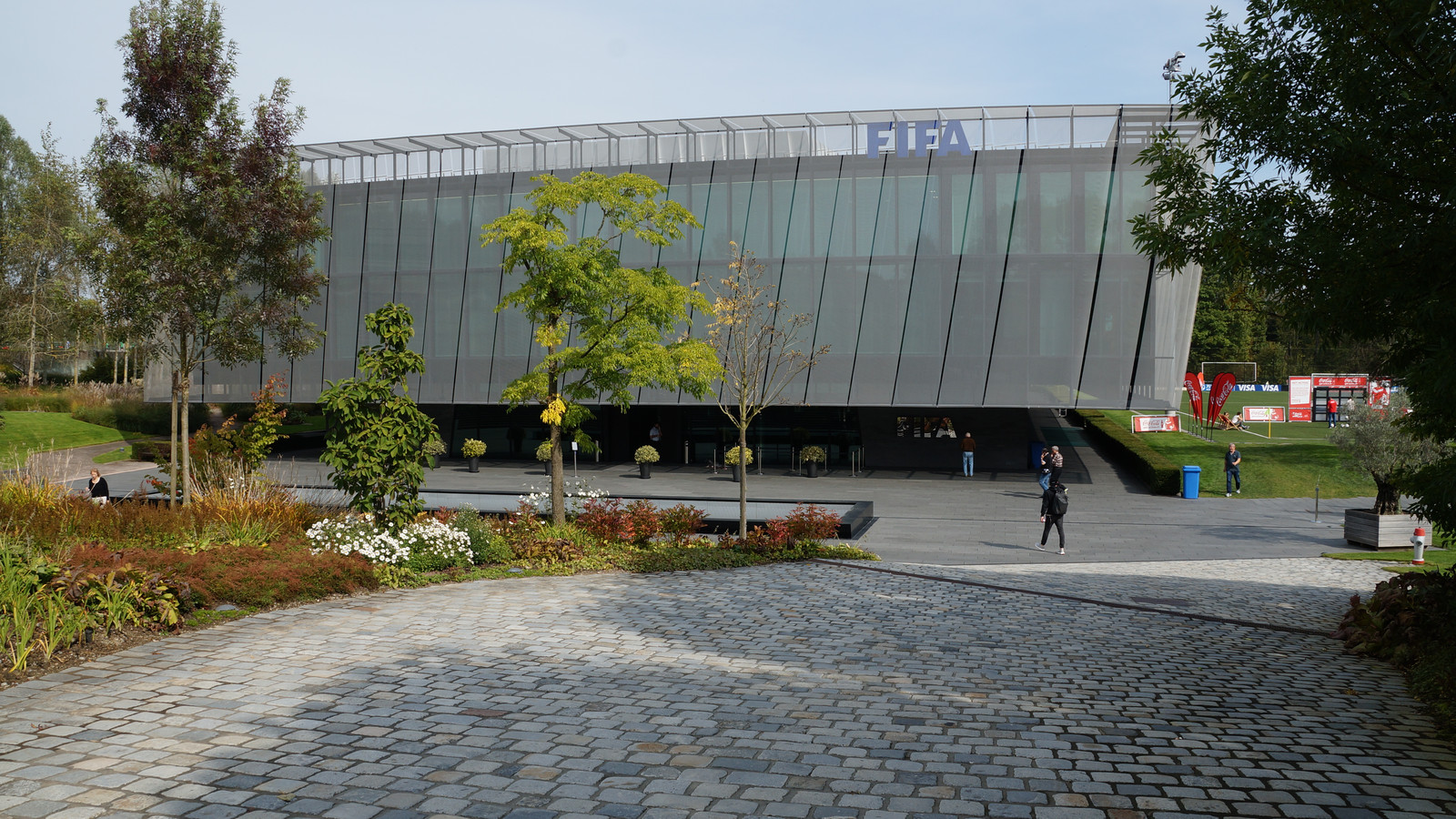
FIFA has confirmed that it was the victim of a criminal cyberattack in which hackers gained unauthorised access to a limited set of personal and business information. A spokesperson gave that confirmation to Deutsche Presse-Agentur, and the same wording appeared in a report published on 25 November 2026 by The Record, a cybersecurity publication of Recorded Future News. Süddeutsche Zeitung, Switzerland’s public broadcaster SRF and n-tv all reported the confirmation on 26 November. FIFA had not, at the time of writing, issued a matching media release on fifa.com or inside.fifa.com, and its official X account, @FIFAcom, had not posted about the incident.
“FIFA can confirm that it has been the victim of a criminal cyberattack that led to unauthorised access to a limited amount of personal and business data,” a spokesperson told dpa, according to n-tv’s account of the agency’s report. The Record quoted FIFA as saying that hackers had breached its systems and gained “unauthorised access to a limited set of personal and business information.” FIFA, which is based in Zurich and has about 700 staff, according to those reports, said it was working with the relevant authorities, including law enforcement.
“FIFA condemns in the strongest possible terms the unlawful acquisition and publication of information, particularly personal data,” a spokesperson said, in language carried by The Record, dpa, SRF and Süddeutsche Zeitung. “Such actions constitute a serious and unacceptable violation of privacy and can have significant consequences for the individuals concerned.” The organisation’s own words therefore confirm both that information was obtained without authorisation and that some material was published. They do not, however, describe which systems were reached, when the intrusion began, how the attackers got in, how many people were affected, or a detailed inventory of the files.
FIFA did not provide those further details. The Record said the organisation did not respond to follow-up questions about the nature of the incident. n-tv, citing dpa, likewise reported that FIFA gave no more precise information about the type of attack or the data taken. This article therefore does not treat claims about specific computer environments, file volumes or categories of documents as established facts unless FIFA itself has confirmed them.
A group calling itself the Handsome Boy Hacking Club, or HBHC, claimed last week that it had stolen more than 12 gigabytes of FIFA data, tried and failed to extort the organisation, and then published the material on a cybercriminal forum, The Record, dpa, Süddeutsche Zeitung and SRF reported. The group also claimed to have reached FIFA’s Microsoft environment and said the material included identity and immigration documents, financial records, legal papers and information about the organisation’s governance. FIFA has not confirmed the volume of data, the Microsoft claim, the list of file types, or the identity of those responsible. Attribution of the attack to that group remains the group’s own claim, not an official finding.
According to dpa information reported by n-tv, the attack was not connected to the failed plan to sell World Cup rights to investors. That point was attributed to the news agency’s information, not to a direct FIFA quotation, and should be read as such. FIFA’s public comments did not mention the abandoned FIFA Forward Enterprise proposal, ticket sales, or the running of competitions.
The men’s FIFA World Cup 2026 was held this summer in the United States, Mexico and Canada. FIFA has not said that this incident affected World Cup 2026 ticketing or match operations. In a media release on 8 July 2026, issued while that tournament was still going on, FIFA said more than one billion cyberattacks had been blocked during the World Cup, with more than 11,000 malicious domains identified and neutralised, and that 1,015 websites and digital platforms were being protected. Those figures describe defensive work FIFA reported at the time of the tournament. They are not a description of the breach confirmed this week, and they should not be blended with it.
Looking ahead, FIFA said on 13 November that ticket sales for the FIFA Women’s World Cup Brazil 2027 would kick off on Tuesday, 1 December. The organisation has not linked that sale, or any other forthcoming ticketing process, to the cyberattack confirmed this week. In the absence of an official statement on the point, it is not possible to say from the public record whether any ticketing systems, customer accounts or payment data were among the “limited set” of information FIFA acknowledged.
The confirmation follows other recent incidents in European football. On 23 November, LaLiga said in an official statement that a cyberattack between 14 and 16 November had targeted one of its fan-services platforms and that personal data of registered users of LaLiga digital services, and of some clubs, had been extracted. LaLiga said its security teams contained the attack on 16 November, that the incident was limited to that platform and did not affect the rest of its systems or the running of the competition, and that it had notified Spain’s data-protection authority and filed a complaint with the National Police’s central cybercrime unit. The Record and n-tv also noted that Dutch police arrested a 35-year-old man in May on suspicion of hacking the systems of Ajax, and that the French Football Federation disclosed a cyberattack in 2025.
What can be stated with confidence is narrow, and it comes from FIFA itself: a criminal cyberattack occurred; attackers obtained unauthorised access to a limited set of personal and business information; some information was acquired and published unlawfully, in FIFA’s description; the organisation is working with authorities, including law enforcement; and it warns that the exposure of personal data can have serious consequences for the people concerned. Larger claims about the scale of the theft, the software environment involved, or a link to World Cup ticketing have not been confirmed by FIFA and are not reported here as fact.
Sources: FIFA spokesperson comments reported by Deutsche Presse-Agentur and quoted by n-tv, 26 November 2026; The Record (Jonathan Greig, Recorded Future News, 25 November 2026); Süddeutsche Zeitung, 26 November 2026; SRF, 26 November 2026; FIFA media release, “From packed stadiums to record digital reach,” 8 July 2026; FIFA media release on FIFA Women’s World Cup Brazil 2027 ticket sales, 13 November 2026; LaLiga official statement, 23 November 2026. FIFA’s official X account, @FIFAcom, and the inside.fifa.com media-release index were checked on 26 November 2026.