Taiwan local elections: KMT holds Taipei and 12 races, DPP takes Taichung as nuclear-power referendum passes
Taiwan’s opposition KMT kept Taipei, New Taipei and Taoyuan and is set to hold 12 of 22 mayor and magistrate posts, while President Lai Ching-te’s DPP rose from five to nine and won Taichung. Voters also backed a referendum to drop the “nuclear-free homeland” policy, according to preliminary Central Election Commission counts.
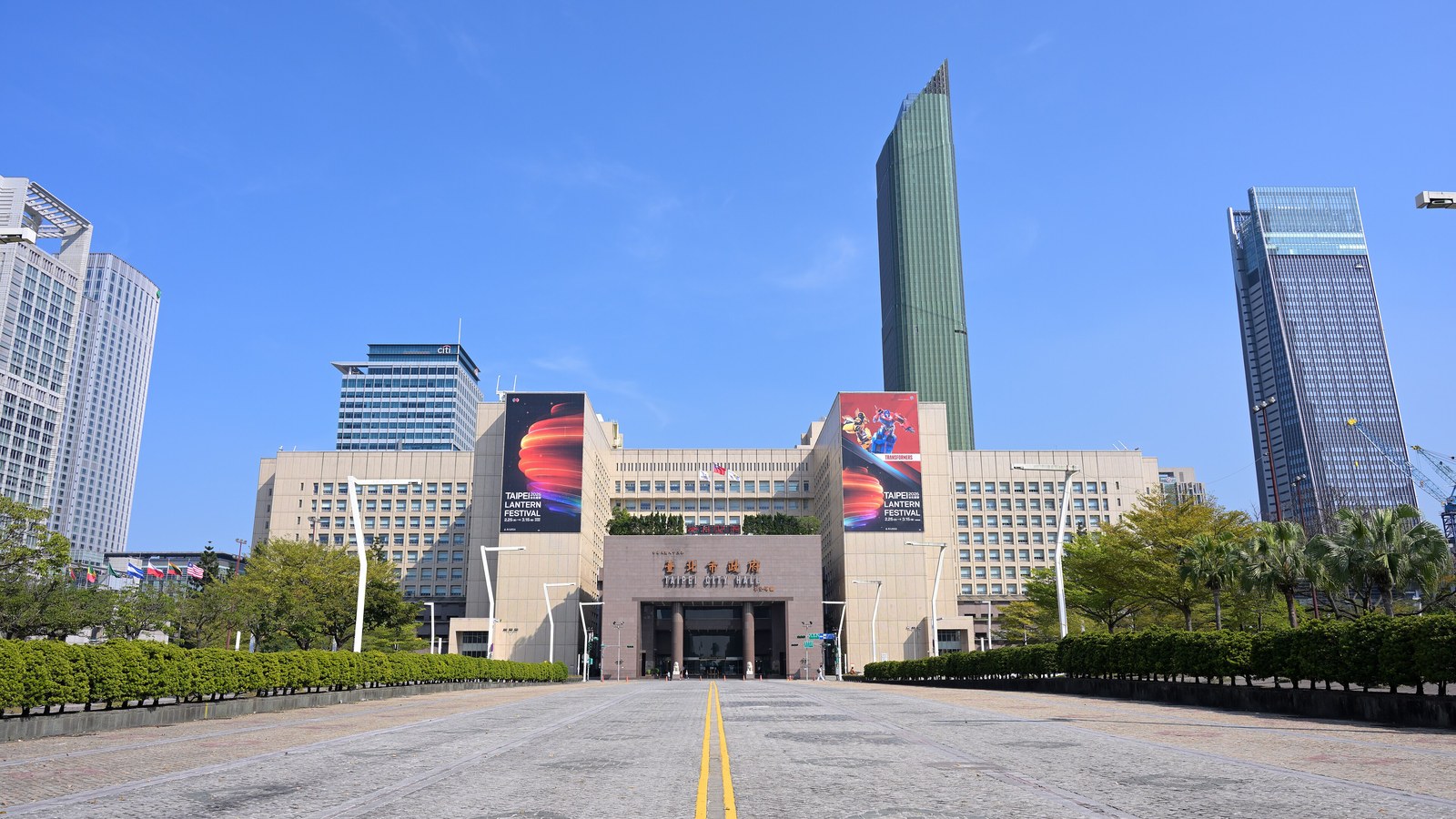
Taiwan’s main opposition party, the Kuomintang (KMT), kept control of the capital and most of the island’s local governments in the “nine-in-one” elections held on Saturday, 28 November 2026, but the governing Democratic Progressive Party (DPP) of President Lai Ching-te recovered strongly from its 2022 rout and took the central city of Taichung. On the same day, voters approved a national referendum calling for the government to use nuclear power and drop the long-standing “nuclear-free homeland” energy policy, according to Central Election Commission (CEC) counts. All figures below are preliminary until the commission certifies them.
The scoreboard: 12 for the KMT, 9 for the DPP
Based on CEC tallies and declarations of victory reported by Taiwan’s Central News Agency (CNA), the KMT is set to hold 12 of the 22 mayor and county magistrate posts, the DPP nine and an independent one. The Taiwan People’s Party (TPP), which won Hsinchu City four years ago, has no seat this time: Hsinchu Mayor Kao Hung-an kept her post, but ran as an independent. Two KMT victories are razor-thin. In Yunlin County, Chang Chia-chun was ahead of the DPP’s Liu Chien-kuo by fewer than 1,000 votes, according to the United Daily News, while in Hualien the KMT’s Yu Shu-chen led independent council speaker Chang Chun by fewer than 400 votes. Both margins fall within the 0.3 percent band that allows the runner-up to ask a court for a recount, and Chang Chun has said he will do so.
For comparison, in 2022 the KMT won 14 of these races, the DPP only five, the TPP one and independents two. That result, the DPP’s worst in a local election, pushed then-President Tsai Ing-wen to resign as party chair.
The big cities
In Taipei, Mayor Chiang Wan-an secured a second term with about 53.7 percent of the vote against 45.7 percent for the DPP’s Puma Shen, with nearly all ballots counted. Shen, a first-term legislator and civil-defence campaigner who had been given little chance at the start, ran an energetic social-media campaign that narrowed the gap in pre-election surveys. He conceded on stage less than four hours after polls closed, telling supporters that the result was clear and that he had lost, AFP reported. In New Taipei, Taiwan’s most populous city, the KMT’s Lee Shu-chuan beat DPP lawmaker Su Chiao-hui with roughly 51.2 percent to 48.3 percent, and in Taoyuan Mayor Chang San-cheng won re-election with about 55.7 percent.
The night’s biggest upset came in Taichung, Taiwan’s second-largest city, where DPP legislator Ho Hsin-chun took 50.7 percent against 48.4 percent for the KMT’s Johnny Chiang, ending eight years of KMT rule. The DPP comfortably held its southern strongholds: Chen Ting-fei will become Tainan’s first woman mayor, and Lai Jui-lung won in Kaohsiung. Elsewhere the DPP took Changhua, Yilan, Chiayi City and Hsinchu County from the KMT; CNA noted that Hsinchu County, a traditional KMT bastion, had not elected a DPP magistrate since 1997. The KMT, in turn, captured Penghu from the DPP.
Nuclear power referendum passes
National Referendum Case 22 asked whether voters support the government using nuclear power to revive the economy and thereby abolishing the “nuclear-free homeland” policy. With about 98.6 percent of the count in, CEC data showed roughly 7.35 million votes in favour (about 62 percent) and 4.51 million against. A referendum passes in Taiwan only if “yes” votes outnumber “no” votes and also reach one quarter of all eligible voters, which this time meant about 5 million votes out of roughly 20 million eligible. The “yes” side crossed that line early in the evening. Official turnout will be published when the commission certifies the result.
The vote is the fourth national referendum on nuclear energy since 2018. Taiwan shut down its last operating reactor, at the Maanshan plant in Pingtung County, in May 2025. A referendum in August 2025 on restarting Maanshan drew more “yes” than “no” votes but fell short of the legal threshold. Under the Referendum Act, a passed referendum on a major policy obliges the authorities to take the measures needed to implement it, but any restart would still depend on safety reviews by the regulator and on the state utility Taipower.
Reactions
President Lai, who also chairs the DPP, said that while elections always have winners and losers, “democracy is always the winner,” and pledged that the central government would work with every city and county regardless of party, according to the Liberty Times. Chiang thanked Taipei voters for endorsing his record over the past four years. At the time of writing, China’s Taiwan Affairs Office had not issued a formal comment on the results.
The China factor
Local elections in Taiwan are mostly fought over transport, housing and services, but Beijing weighed in heavily. China, which claims the self-governed island as its territory, has branded Shen a “separatist”, and Reuters reported that Chinese state media launched a fresh wave of attacks on him on the eve of the vote. Taiwan’s defence ministry said it had detected 33 Chinese military aircraft and eight warships around the island in the 24 hours before polls opened. President Lai had warned in October that Beijing could try to sway the vote through disinformation and local intermediaries; China’s Taiwan Affairs Office dismissed those warnings as fabricated.
Why it matters
The results are the last big test before the presidential and legislative elections due in early 2028. The KMT can point to its hold on the populous north and on a majority of local governments, which keeps its organisational base intact. The DPP, however, has nearly doubled its tally of county and city chiefs and regained a major city, easing the pressure on Lai, who is expected to seek a second and final term. The Taichung loss is also a setback for outgoing Mayor Lu Shiow-yen, widely seen as a possible KMT presidential contender, analysts told Nikkei Asia and AFP. Shen’s strong showing, despite his defeat, is likely to make him a national figure within the DPP.
What comes next
The CEC will formally certify the local results and the referendum outcome in the coming days, and any recounts in Yunlin and Hualien will be handled by the local district courts. Newly elected mayors and magistrates take office on 25 December. The government is expected to set out how it will respond to the referendum, a debate that will feed directly into energy policy and into the 2028 campaign.
Sources: Central Election Commission (CEC) count, as published by BBC News Chinese, 28 November 2026 ; Focus Taiwan (CNA), live results, 28 November 2026 ; Focus Taiwan (CNA), Taichung mayoral race ; Nikkei Asia ; CNA Singapore / AFP ; South China Morning Post ; Liberty Times (President Lai's statement) ; United Daily News (Yunlin and Hualien recount rules) ; Reuters via TimesLIVE ; Central Election Commission