South Korea's Lee reshuffles his security team and names the country's first female spy chief
South Korean President Lee Jae Myung announced a sweeping reshuffle of his national security team on Monday, 23 November 2026, nominating former justice minister Kang Kum-sil as the first woman to head the National Intelligence Service and career diplomat Lim Woong-soon as foreign minister. The changes replace two officials linked to recent friction with Washington over intelligence sharing on North Korea.
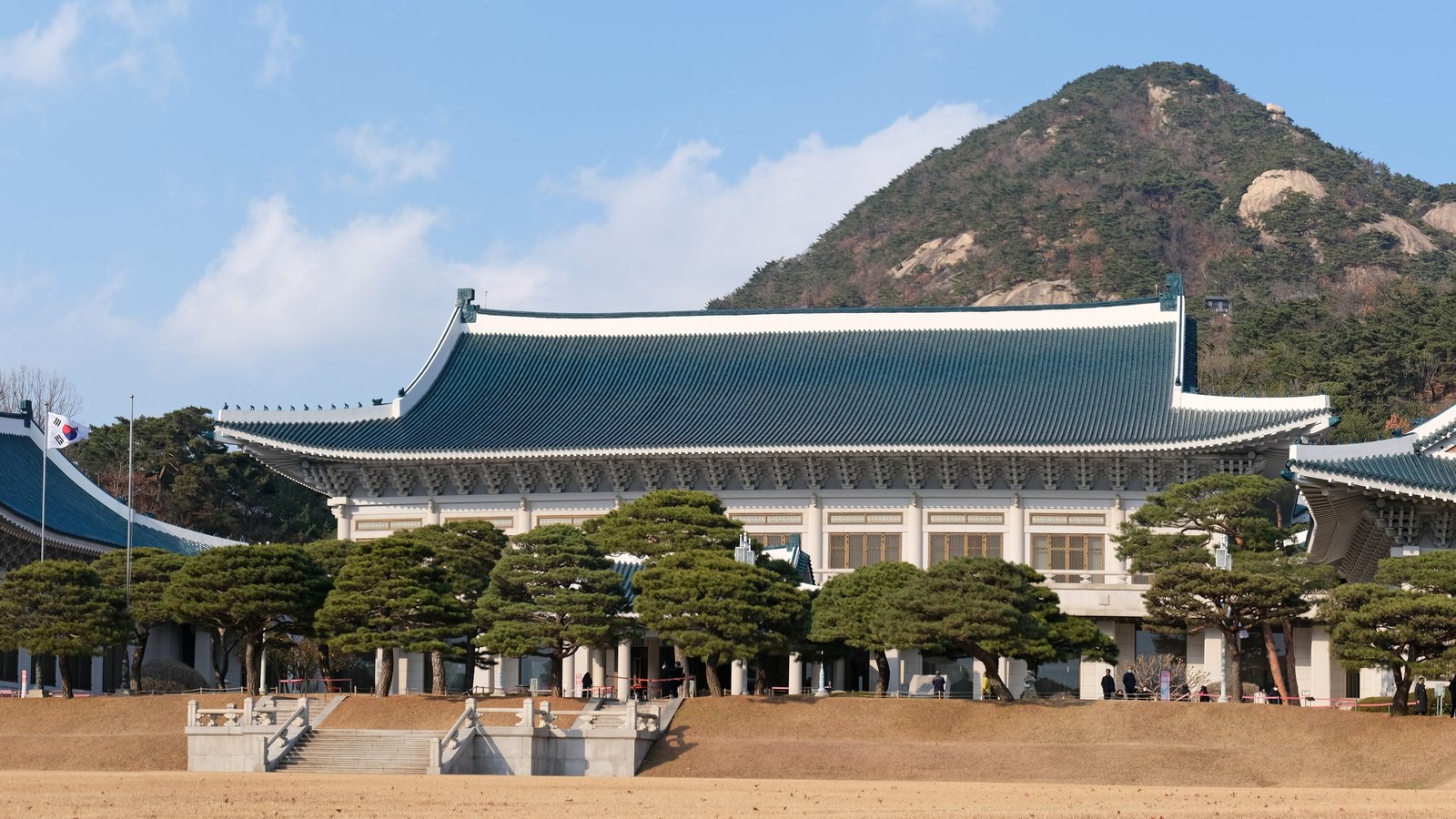
South Korean President Lee Jae Myung reshaped the top of his foreign and security policy team on Monday, 23 November 2026, in the biggest personnel move of his presidency so far. His chief of staff, Lim Kwang-hyun, told a press briefing that former justice minister Kang Kum-sil had been nominated to lead the National Intelligence Service (NIS), while Lim Woong-soon, the second deputy national security adviser, was picked as foreign minister. Former lawmaker Hong Ihk-pyo was named unification minister, ruling Democratic Party lawmaker Han Jun-ho interior minister and senior presidential spokesperson Kang Yu-jung culture minister, Yonhap reported.
If appointed, Kang Kum-sil would be the first woman to run the NIS or its predecessor agencies since the spy service was founded in 1961. A former judge, she already made history in 2003 as South Korea's first female justice minister under President Roh Moo-hyun, when she led efforts to reform the prosecution service. Since January she has served as ambassador for global climate and environmental affairs. The chief of staff said her belief in the neutrality of powerful institutions made her the right person to strengthen democratic oversight of the NIS and to tackle new threats, such as cyberattacks, through international cooperation.
Lim Woong-soon, who would replace Cho Hyun at the foreign ministry, is a career diplomat with long experience in US affairs. He has served as ambassador to Canada, as a minister for political affairs at the South Korean embassy in Washington and as deputy consul general in New York, and has been second deputy national security adviser since June 2025. The presidential office said he was expected to reinforce the 'ironclad' alliance with the United States while widening cooperation in security, trade, industry and advanced technology.
The reshuffle removes Unification Minister Chung Dong-young and NIS Director Lee Jong-seok, both associated with the so-called autonomy camp in Seoul's security establishment, which favours greater diplomatic independence and engagement with North Korea. Their departure follows months of strain with Washington. According to the Korea Herald and the Korea Times, the United States restricted some intelligence sharing on North Korea after Chung publicly identified Kusong as the site of a North Korean uranium-enrichment facility during a National Assembly session in March. At a parliamentary audit in October, Lee Jong-seok confirmed that Washington had limited the flow of information.
At the briefing, the chief of staff insisted that the government's direction would not change, describing a strong alliance with the United States and peace on the Korean Peninsula as twin pillars of policy. He framed the reshuffle as a way to bring 'new and fresh leadership' and to speed up the execution of government programmes, including regional growth and Lee's ambition of turning South Korea into a cultural powerhouse.
Analysis: the balance inside Lee's team appears to be shifting towards the alliance-focused faction. Lee, a progressive who took office in June 2025 after the impeachment of his predecessor, has promised 'pragmatic diplomacy' that keeps Washington close while leaving room for dialogue with Pyongyang. Replacing the two officials most associated with the Kusong dispute sends a clear signal to the US that Seoul wants intelligence cooperation fully restored. The choice of Kang for the NIS also points to a domestic priority: keeping the spy agency out of politics, a sensitive issue in a country where the service has a history of interfering in elections.
The five nominees will face parliamentary confirmation hearings in the coming weeks. Under South Korean law, however, these posts do not require a vote of approval by the National Assembly, so Lee can appoint them even if lawmakers decline to endorse them, as long as statutory procedures are followed.
Sources: Yonhap News Agency, 23 November 2026; The Korea Herald, 23 November 2026; The Korea Times, 23 November 2026; Korea JoongAng Daily, 23 November 2026.