Israel: Likud and Eisenkot's Yashar end first unity talks without a deal
Talks between Benjamin Netanyahu's Likud and Gadi Eisenkot's Yashar on a national unity government ended without a deal on Sunday, 22 November 2026, after four hours in Herzliya. The parties remain split on who would be prime minister first, on Itamar Ben-Gvir and on the 7 October inquiry. Eisenkot has until 6 December to form a government.
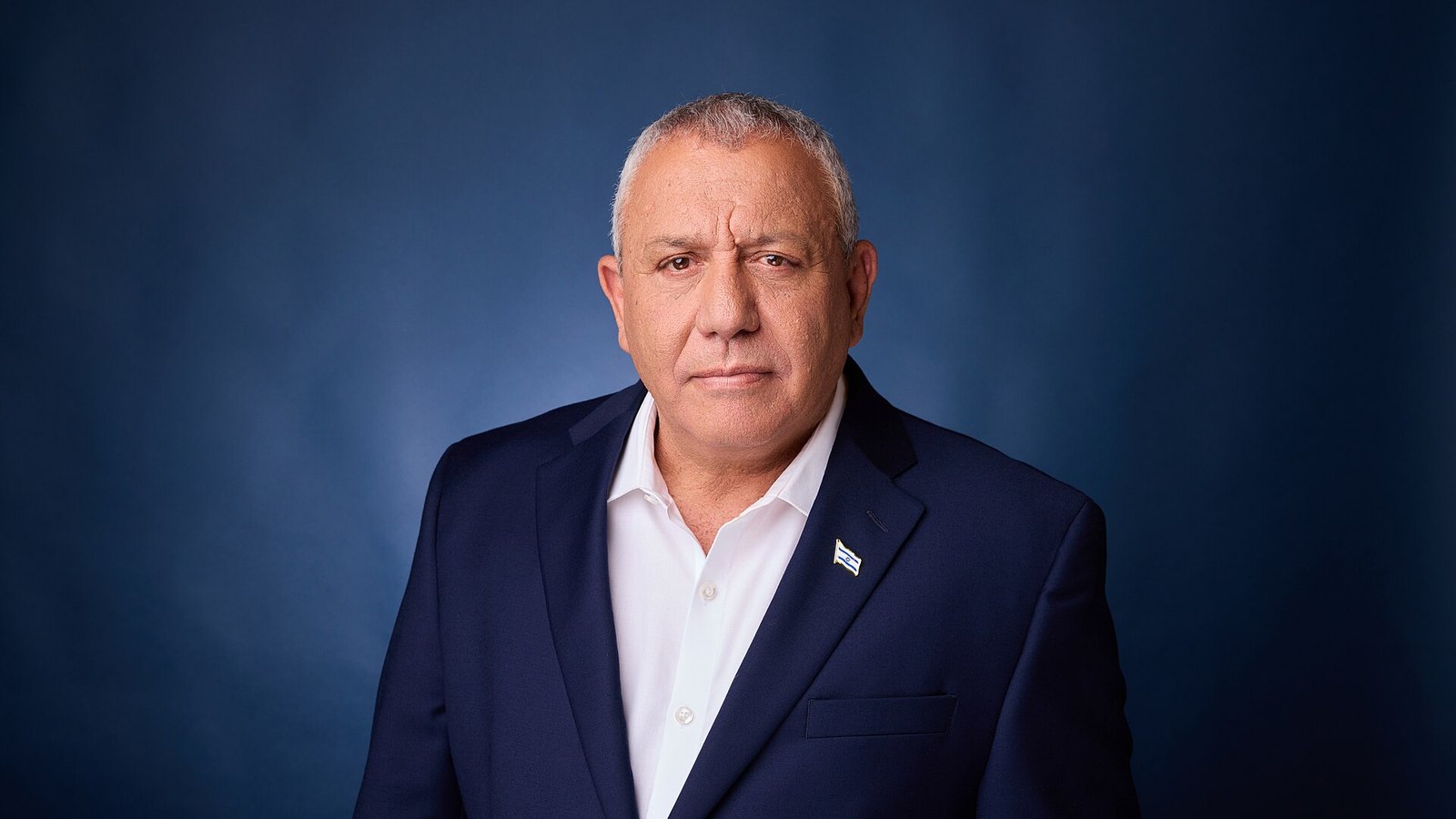
Negotiators for Israel's caretaker prime minister Benjamin Netanyahu and for opposition leader Gadi Eisenkot ended their first formal round of unity-government talks on Sunday, 22 November 2026, without a deal. The teams of Netanyahu's Likud and Eisenkot's Yashar party met for more than four hours at a hotel in Herzliya, north of Tel Aviv, and afterwards issued a short joint statement saying they had "outlined their positions on a range of substantive issues" and that a follow-up meeting would be held. No date was announced, although Israeli media said another round could come as early as Monday.
The meeting matters because of the arithmetic left by October's election. Eisenkot holds the mandate to form a government until 6 December, with a possible 14-day extension, but his bloc won 48 seats, 13 short of a majority in the 120-seat Knesset. Netanyahu has called for a national unity government, saying it is the only way to guarantee Israel's security. Such a coalition would also allow a government to be formed without relying on parties led by Palestinian citizens of Israel, which won a record 19 seats.
The obstacles are well known and none was removed on Sunday. The first is who leads. Likud insists Netanyahu must serve first in any rotation agreement, while the opposition parties have agreed on one basic condition: they will not support a government in which he remains prime minister. According to Ynet, the teams did not even discuss the rotation in depth. Naftali Bennett, who leads the Together list, has floated a coalition of Together, Yashar, Likud and Avigdor Lieberman's Yisrael Beiteinu with Eisenkot serving first, but Lieberman has ruled out sitting in any government with Netanyahu.
The second obstacle is Itamar Ben-Gvir. Likud wants the far-right national security minister included in the coalition, while Yashar insists he stay out. Ben-Gvir and finance minister Bezalel Smotrich met Netanyahu hours before the talks, and Smotrich later appealed publicly to opposition leaders to drop the idea of a minority government and join the prime minister's allies instead.
The third is the state inquiry into the 7 October 2023 Hamas attack. Both sides agreed that, if talks progress, they would draft a proposal defining the commission's mandate and the period it would examine. But they remain split on who would appoint its members, a sensitive question because the inquiry would scrutinise decisions taken under Netanyahu. Likud's negotiators said they would "think outside the box" to find a compromise. Military service for ultra-Orthodox yeshiva students is a fourth dispute; Likud says Haredi leaders must take part directly in any draft negotiations.
Likud also published a list of conditions on Saturday, including an end to what it called personal attacks on the prime minister, opposition to a Palestinian state and the preservation of security zones held by Israeli forces in Syria, Lebanon and Gaza. Shortly after Sunday's meeting, Netanyahu posted that Israel "must not form a government with Ahmad Tibi", the Arab lawmaker, prompting Yair Lapid to accuse him of hypocrisy for having courted Arab parties in the past.
If the unity track fails, Eisenkot has said he will not let negotiations drag on. Yashar plans to seek a Knesset confidence vote for a minority government before his mandate expires, relying on outside support from the Arab Joint List, led by Yousef Jabareen, and the United Arab List of Mansour Abbas. That option is itself contested inside the opposition: Bennett and Lieberman oppose a minority coalition, and Lieberman has said he would prefer a government that includes ultra-Orthodox parties.
For Israelis, the result is a prolonged caretaker period in the middle of regional conflicts and a deep debate over accountability for 7 October. The structure of the talks suggests that each camp is also positioning itself for blame if a deal fails. Netanyahu can argue he offered unity; Eisenkot can argue that Likud's conditions made unity impossible. With two weeks left before the first deadline, the next meetings will show whether either side is willing to move on the questions of the premiership and Ben-Gvir, or whether Israel heads towards a minority government or another stalemate.
Sources: Al Jazeera, with AP and Anadolu, 22 November 2026; Ynetnews, 22 November 2026; The Times of Israel, 22 November 2026.