Five EU countries and Rwanda plan the first migrant "return hub" outside Europe, with transfers due in 2027
Austria, Denmark, Germany, Greece and the Netherlands said on Monday, 16 November, that they are working with Rwanda to set up a "return hub" for migrants with enforceable removal orders, with the first transfers expected in 2027. Rights groups warned the plan could breach migrants' rights.
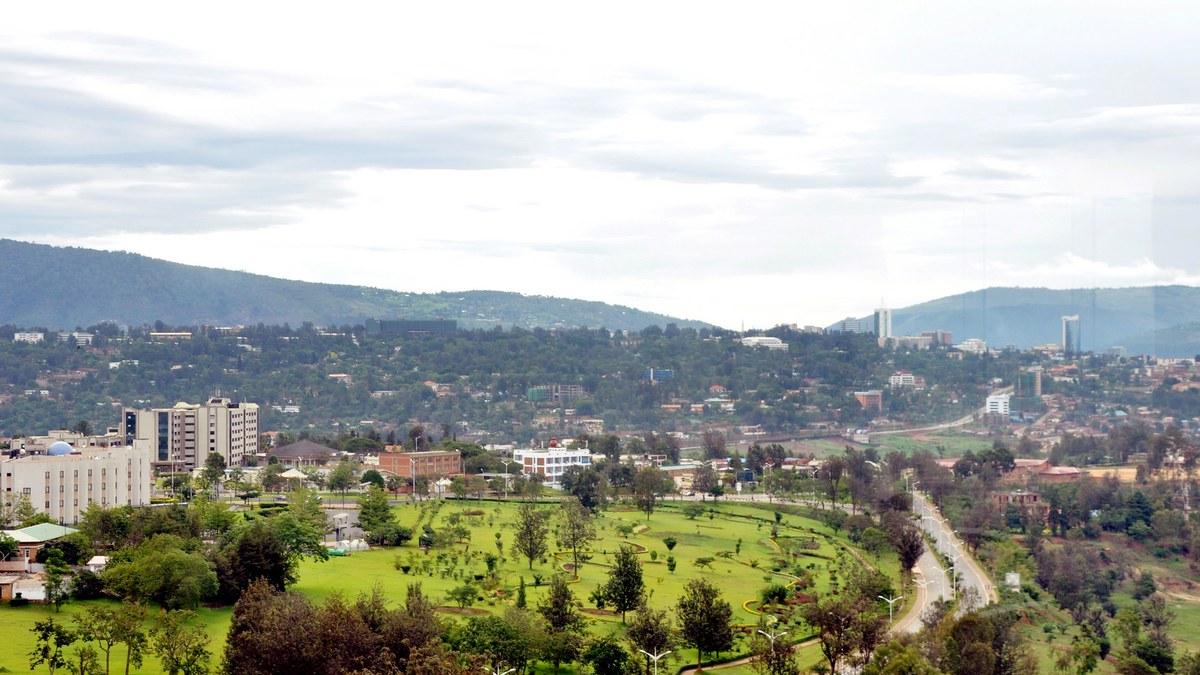
Five European Union countries and Rwanda announced on Monday, 16 November 2026, that they are working together to establish a "return hub" in Rwanda for migrants who have no right to stay in Europe, the first such facility outside the continent. Austria, Denmark, Germany, Greece and the Netherlands said they aim to agree the details in the coming months so that the first transfers can take place in 2027.
According to a statement from the Dutch government, the hub will be an open, temporary facility. People sent there will be able to integrate into Rwandan society, with a right of residence and access to education, the labour market, healthcare and the legal system, or to return to their country of origin. In the first phase, the five countries will send only single men; unaccompanied minors are excluded. The Netherlands said it would focus on people from countries in the same region as Rwanda. The European partners will pay the costs, including temporary accommodation.
The plan is aimed at a specific group: people whose asylum claims have been rejected, who have exhausted their legal options and who are subject to an enforceable return decision, but who cannot be sent back to their home country, for example because that country will not cooperate. That distinguishes it from the scrapped British scheme, which would have sent asylum seekers to Rwanda to have their claims processed there. Legal challenges meant the UK plan never got off the ground, and it was abandoned in 2024, the BBC noted.
Before the announcement, diplomatic sources told AFP that the hub would initially run as a pilot for about 100 people, with each of the five countries possibly sending around 20. The International Organization for Migration said it was in discussions with some EU countries about return hubs and could play a supporting role. At a joint press conference in Vienna, Austrian Chancellor Christian Stocker said the aim was to relieve European asylum systems and undercut smugglers who organise deadly journeys across the Mediterranean.
"Returns are a crucial part of a well-functioning asylum system. Those who have no right to stay must leave our country," said the Dutch minister responsible, Van den Brink, in the government statement. Rwanda's interior minister, Vincent Biruta, said his country was committed to a "safe, legal and dignified solution for migrants" and to "correcting the global imbalance in economic opportunities", which he called a key driver of irregular migration.
Critics were quick to respond. Spanish Prime Minister Pedro Sánchez told the broadcaster Telecinco that he saw no "future or humanity" in the plan, AFP reported. Human Rights Watch researcher Clementine de Montjoye said Rwanda had a "well-established record of repression of dissent, arbitrary detention, ill-treatment in detention" and warned that paying Kigali to host deportees would finance and give political leverage to the government. The EU Agency for Fundamental Rights said any host country must respect fundamental rights and that nobody should be sent somewhere they risk persecution.
The legal basis is new. A recent reform of EU return rules allows member states to send people without a right to stay to a third country under an agreement or arrangement on a return hub. The five governments insist the scheme complies with EU and international law, but lawyers expect it to be tested in court, as other offshore schemes have been. Italy's centres in Albania, for example, have faced repeated legal setbacks since they opened.
Why it matters: governments across Europe are under strong political pressure to show they can control migration, with elections approaching in several countries. Yet irregular arrivals are already falling. Frontex counted almost 110,000 irregular border crossings into the EU in the first ten months of 2026, 29% fewer than a year earlier, although arrivals on the route to the Canary Islands rose sharply in October. The Rwanda hub is therefore as much a political signal as a practical tool: a pilot of 100 people would barely dent the number of rejected applicants who remain in Europe each year. The UK government said it would watch the scheme "with interest".
Sources: Government of the Netherlands, 16 November 2026 (https://www.government.nl/latest/news/2026/11/16/the-netherlands-and-european-partners-working-with-rwanda-to-establish-a-return-hub); BBC News, Olivia Ireland and Bethany Bell, 16 November 2026 (Vienna press conference, Biruta, HRW, FRA, Sánchez, Frontex figures) (https://www.bbc.co.uk/news/articles/cw987343352go); AFP, 16 November 2026 (pilot of about 100 people); AP, 16 November 2026; Anadolu Agency, 17 November 2026; Danish Ministry of Immigration and Integration, joint statement and background paper. Photo: file image of Kigali.