X launches its first parental controls, but teens must agree to be supervised
Twenty years after it launched as Twitter, X on Thursday, 26 November 2026, introduced its first parental controls. Accounts of users aged 13 to 17 are now set to a 'protected mode' by default, with no sensitive content and no targeted ads, and parents can set time limits, approve followers and control who sends messages. Unusually, supervision only starts if both the parent and the teenager agree, and teens can see every change.
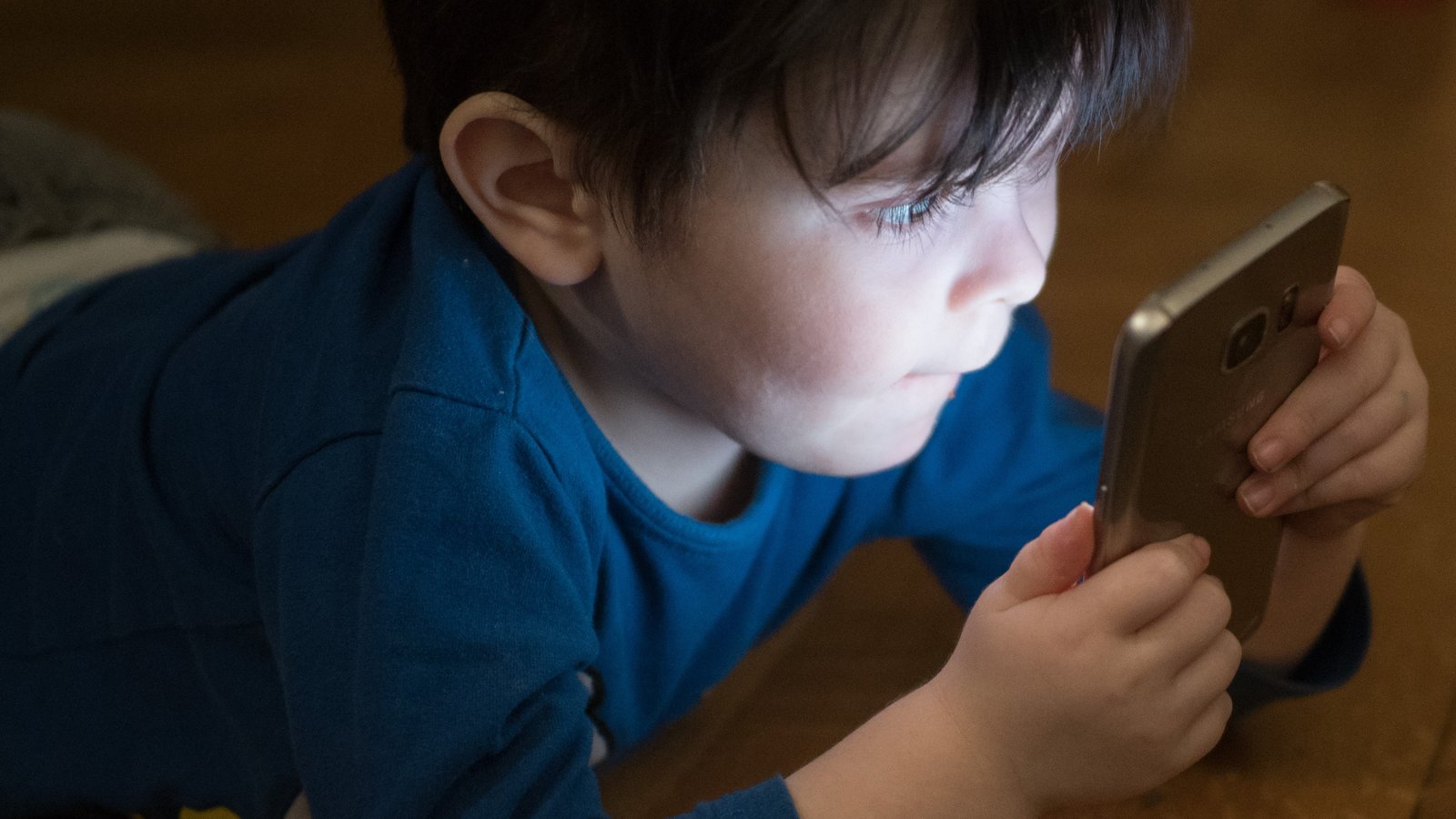
For families who have struggled to keep an eye on what their teenagers see online, one of the world's best-known social networks has finally offered some tools. On Thursday, 26 November 2026, X, formerly Twitter, launched parental controls for the first time in its 20-year history. The new system, described by the company in a blog post and reported by TechCrunch, The Verge and Engadget, applies to users aged 13 to 17, the age range X allows on its platform.
The main change affects every teen account. Accounts belonging to 13 to 17-year-olds are now set to 'protected mode' by default. In this mode teenagers should not see sensitive content, such as graphic violence or adult material, and they are not shown ads targeted at them based on their activity. This protection applies whether or not a parent is involved, which is important because many parents never set up supervision tools at all.
On top of that, parents and guardians can link their account to their teenager's and manage a set of controls. According to TechCrunch, they can see how much time their teen spends on X each week and set daily time limits, require approval for new followers, limit the feed and video recommendations to accounts the teen already follows, filter specific words, turn off sensitive media, decide who can send their teen direct messages and see who they are messaging. Supervision ends automatically when the teenager turns 18.
There are clear limits on what parents can see. X says parents cannot read their teen's private messages, cannot see search or viewing history and cannot post as their child. And, unlike most competitors' systems, supervision only begins if both sides agree: the parent and the teenager must each consent, and the teen can see every change made to their account. 'Parents want practical tools, and teens deserve room to grow,' wrote Michael O'Herlihy, X's head of safety. 'With Parental Controls on X, families can set the guardrails that fit their home, while teens keep ownership of their accounts and can see every change.'
The launch comes after a difficult period for X on child safety. Earlier this year the platform was heavily criticised for weak safeguards that allowed its built-in AI chatbot to be used to create sexualised images of children and women. The service has also long faced problems with child sexual abuse material, misinformation and automated bot accounts, and it openly allows adult content. X itself has said that it is not designed for or promoted to children, but surveys show that many young people use it anyway: a 2024 study found nearly a third of Generation Alpha children had an X account.
Other platforms have offered similar tools for years. Instagram, TikTok, YouTube and Snapchat all have family or supervision features, some of which let parents set limits without the teen's approval. Regulators are also tightening the rules. Australia has banned under-16s from major social media platforms, the United Kingdom plans its own restrictions, and the European Union's Digital Services Act requires large platforms to ensure a high level of privacy, safety and security for minors. In that context, X's move looks partly like an effort to keep up with legal expectations.
Analysis: the consent-based model is a genuine experiment. Child psychologists often say that supervision works best when teenagers understand and accept it, because rules imposed in secret tend to be bypassed and can damage trust. By making the process transparent, X may encourage families to talk about online habits rather than fight over them. The weakness is obvious, however: a teenager who does not want to be supervised can simply refuse, and the protection then depends on the default 'protected mode' and on X correctly identifying users' ages, which remains a problem across the industry.
For parents, the practical advice is to treat these tools as one part of a broader approach. Experts recommend checking that a child's account shows their real age, so that default protections apply, discussing which apps they use and why, agreeing on screen-time rules together, and using device-level controls on phones and tablets, which work across all apps. It is also worth explaining how algorithms recommend content and how to block or report accounts that make them uncomfortable.
Whether X's approach becomes a model or a cautionary tale will depend on how many families use it and on whether the default protections actually work. For now, parents who have long asked why one of the biggest social networks had no family features have an answer, along with a new conversation to have at home.
Sources: TechCrunch, 26 November 2026; The Verge, 26 November 2026; Engadget, 26 November 2026; 9to5Mac, 26 November 2026.