WHO warns drug-resistant infections could kill 39 million people by 2050: what you can do with antibiotics
Drug-resistant bacterial infections could directly cause more than 39 million deaths worldwide by 2050, the World Health Organization warned as it opened its annual antimicrobial resistance awareness campaign. Misuse and overuse of antibiotics remain the main drivers.
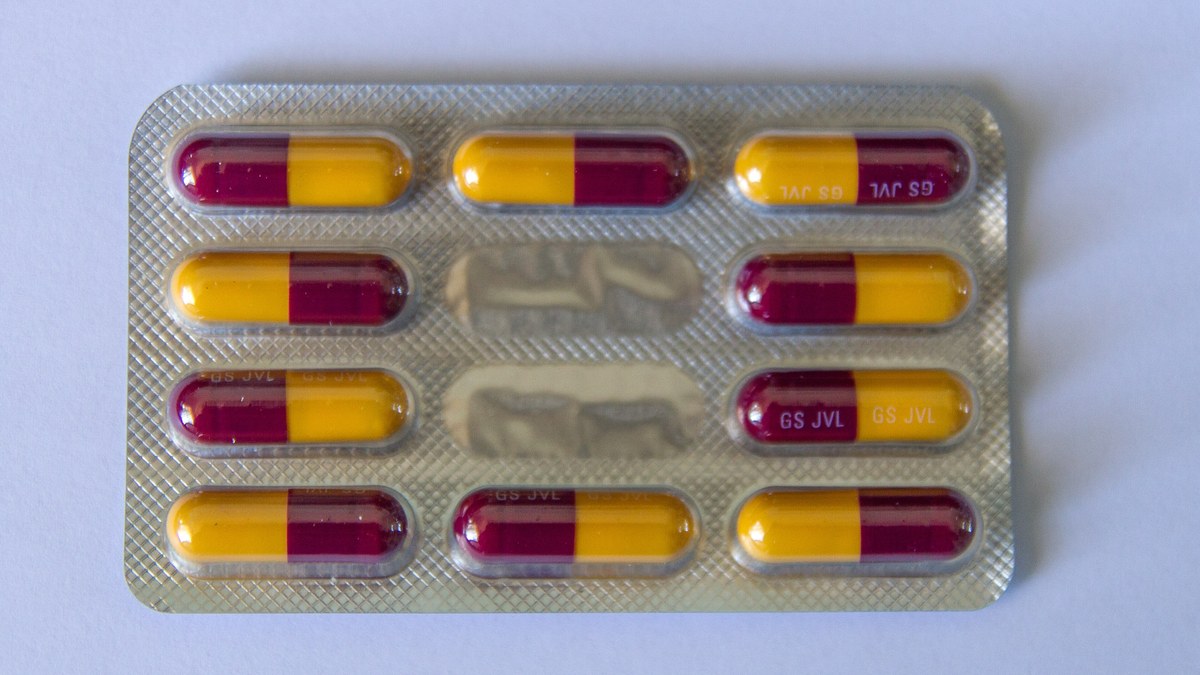
Drug-resistant bacterial infections could directly cause more than 39 million deaths worldwide by 2050, the World Health Organization (WHO) has warned, as growing resistance threatens the effectiveness of treatments that modern medicine depends on. The warning came as the WHO marked World Antimicrobial Resistance Awareness Week, Anadolu Agency reported on 17 November 2026, citing the Spanish news agency EFE. The WHO lists this year's campaign as running from 18 to 24 November under the slogan "One Health, One Action: Prevent AMR Now".
WHO officials Jean-Pierre Nyemazi and Pravarsha Prakash highlighted the danger posed by bacteria that no longer respond to antibiotics. Resistance is now widespread, the organisation said, and threatens routine medical procedures including childbirth, organ transplants, surgery and the treatment of chronic illnesses. Infections that were once easily treatable, such as some urinary tract infections, pneumonia and bloodstream infections, are becoming harder and more expensive to manage, putting patients at greater risk of severe illness and death.
The 39 million figure comes from the largest global analysis of the problem, the Global Research on Antimicrobial Resistance (GRAM) study published in The Lancet in 2024. It estimated that drug-resistant bacterial infections were directly responsible for about 1.14 million deaths in 2021 and played a role in about 4.71 million, and projected that, without action, deaths directly attributable to resistance would total 39 million between 2025 and 2050. Older people are most affected: deaths among people aged 70 and over rose sharply over the past three decades and are expected to keep rising as populations age.
Resistance is also becoming more common in everyday infections. A WHO report in 2025 found that almost one in six laboratory-confirmed bacterial infections worldwide was resistant to antibiotic treatment, "and the trend is increasing", one of the experts recalled. Europe is not spared. Southern and eastern EU countries, including Romania, Greece and Italy, have for years reported some of the highest rates of resistance in hospital bacteria such as Klebsiella pneumoniae and Acinetobacter, according to the European Centre for Disease Prevention and Control.
How resistance happens: bacteria evolve. Every time antibiotics are used, sensitive bacteria are killed, while those with mutations that let them survive multiply and can pass on their resistance genes. The WHO says misuse and overuse of antibiotics, in people and in farm animals, are the main drivers, alongside poor infection prevention in hospitals, limited access to clean water and sanitation, and a lack of new drugs. Few new classes of antibiotics have reached the market in recent decades, because they are expensive to develop and, to protect their effectiveness, are meant to be used sparingly, which limits sales.
What individuals can do: the WHO and national health authorities give simple advice. Take antibiotics only when they are prescribed by a doctor or other qualified health professional. Antibiotics do not work against viruses, so they will not cure colds, flu or most sore throats and coughs. Follow the instructions on how long and how often to take them, and do not save leftover pills for later or share them with family members. Never ask for antibiotics "just in case". Preventing infections in the first place also reduces the need for antibiotics: wash your hands, keep vaccinations up to date and handle food safely.
Why it matters: antimicrobial resistance is a slow-moving crisis that rarely makes headlines in the way an outbreak does, yet its toll already rivals that of HIV or malaria. Health experts often describe it as a threat to the foundations of modern medicine, because many routine operations and cancer treatments are safe only because infections can be treated. The campaign week is meant to remind both doctors and the public that the choices made in pharmacies and surgeries today determine whether antibiotics will still work for the next generation.
In many countries, including Romania, antibiotics are legally available only with a prescription, but surveys by the European Commission have repeatedly found that a share of people still obtain them without one or take leftovers at home. The WHO says global action on AMR must cover human health, animal health, agriculture and the environment together, an approach known as One Health.
Sources: Anadolu Agency and EFE, via the Philippine News Agency, 17 November 2026 (WHO warning, officials, one-in-six figure) (https://www.pna.gov.ph/article/who-warns-drug-resistant-bacterial-infections-could-cause-over-39m-deaths-by-2050); World Health Organization, World AMR Awareness Week 2026 page (https://www.who.int/news-room/events/detail/2026/11/18/default-calendar/world-amr-awareness-week-2026) and antibiotic resistance fact sheet; GRAM Collaborators, The Lancet, 2024 (1990-2021 burden and 2050 forecasts); European Centre for Disease Prevention and Control surveillance reports. This article is general information, not medical advice. Photo: file image.