Small study links regular vaping to lasting lung function decline in young adults
A pilot study in Tobacco Control followed 22 young adults who mainly vaped and found their FEV1, a key lung function measure, fell from 3.85 to 3.75 litres over about a year. Heavier vapers showed larger falls of up to 240 ml compared with light users, though that trend was not statistically significant. Experts stress the study is small and preliminary.
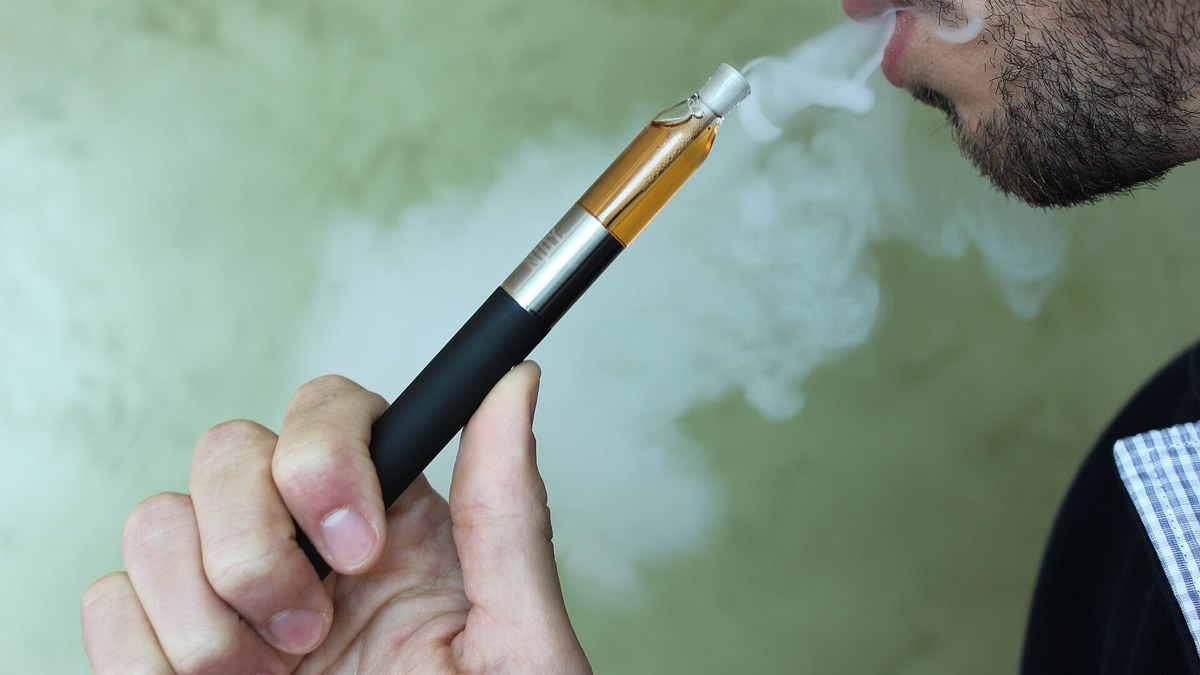
A small pilot study published in the journal Tobacco Control suggests that regular vaping may cause measurable, lasting changes in the lungs of young adults. Researchers tested the lung function of 22 young people who mainly used e-cigarettes, then tested them again about a year later. They found a statistically significant fall in the amount of air the participants could blow out in one second. The authors, and independent experts, stress that the findings are preliminary. The short report by Roy and colleagues appeared online on 30 October 2026 and was publicised by the BMJ Group in November. It drew wide coverage in mid-November.
The participants were 14 men and 8 women aged 21 to 35, with an average age of about 23. All were recruited in the Miami area between April 2022 and December 2024 and were current, primarily e-cigarette users. They could have smoked no more than five conventional cigarettes or other tobacco products in the previous month. Each had two sets of lung function tests, on average 12.5 months apart. Both tests were done in the morning, between 09:00 and 11:00, after 12 hours of abstinence from all tobacco and nicotine products, confirmed by breath carbon monoxide and blood nicotine tests. That design aimed to measure lasting changes, not the short-term effect of a recent puff.
The main measure was FEV1, the forced expiratory volume in the first second, a key indicator of lung health. On average it fell from 3.85 litres to 3.75 litres, a drop of about 100 millilitres, which was statistically significant (p=0.0355). Forced vital capacity also declined. The researchers then looked at how often people vaped, counting one "time" as roughly 15 puffs or ten minutes. Compared with those who vaped 0-4 times a day, vaping 5-9 times a day was associated with a 100 ml fall in FEV1, 10-29 times with a 190 ml fall, and 30 or more times with a 240 ml fall. That dose-response trend, however, was not statistically significant, the BMJ noted.
Why does FEV1 matter? A loss of lung function, and specifically a faster decline in FEV1, is a hallmark of chronic obstructive pulmonary disease (COPD), a progressive and often disabling condition. Lung function normally peaks in early adulthood and starts to decline naturally only around age 35. The authors argue that their study is the first to follow the same young vapers over time, before that natural decline begins. They say it gives "the first indicator" that prolonged e-cigarette use could have "persistent and clinically important cumulative effects on FEV1 and pose a COPD risk". The study was funded by the US National Institute on Drug Abuse.
Independent experts urged caution. "This is a small-scale pilot study of 22 people who had vaped in the past 30 days, with no control group," said Katie East of Brighton and Sussex Medical School, quoted by AM Pulmonary. She noted that the participants could have smoked a few cigarettes, so confounding cannot be ruled out. Lion Shahab of University College London pointed out that participants were not required to be lifelong non-smokers. He also noted that the standard airflow-obstruction measure for COPD, the FEV1/FVC ratio, showed no clear change. And he said the reported drop of about 100 ml in a year is more than twice the annual decline seen in current smokers in a large US pooled cohort study, which is "hard to square" with the absence of a large rise in respiratory disease among people who vape and have never smoked.
The authors themselves list the main limitations: a small sample, only two time points and no tobacco-free comparison group. They call for longer studies comparing young vapers with people who neither smoke nor vape. The study therefore cannot show that vaping causes COPD, or how large any long-term effect might be.
What does it mean for readers? Public health bodies generally agree that vaping is less harmful than smoking for adults who switch completely, but not harmless, and that non-smokers, especially young people, should not start. This pilot study does not change that advice. It adds a signal worth investigating that daily, heavy vaping may affect lung function in young adults. Anyone worried about their breathing should talk to a doctor, who can arrange a simple spirometry test. Smokers who want to quit can get free support from national quit services.
Sources: Roy S, Chowdhury S, Ferdous T, et al., Tobacco Control, published online 30 October 2026, doi:10.1136/tc-2025-059746; BMJ Group press release, November 2026; AM Pulmonary, November 2026, with comments by Katie East and Lion Shahab.