Leisure exercise linked to 24% lower dementia risk, but physically demanding work to 20% higher risk, large review finds
A systematic review and meta-analysis in The Lancet Public Health, led by researchers at the University of Southern California, pooled 74 studies covering more than 4.2 million people aged 45 to 93. Recreational physical activity was linked to a 24% lower risk of dementia, while high levels of physical activity at work were linked to a 20% higher risk. The authors call it a 'physical activity paradox', stress that the studies are observational and say the findings do not show that physical work causes dementia.
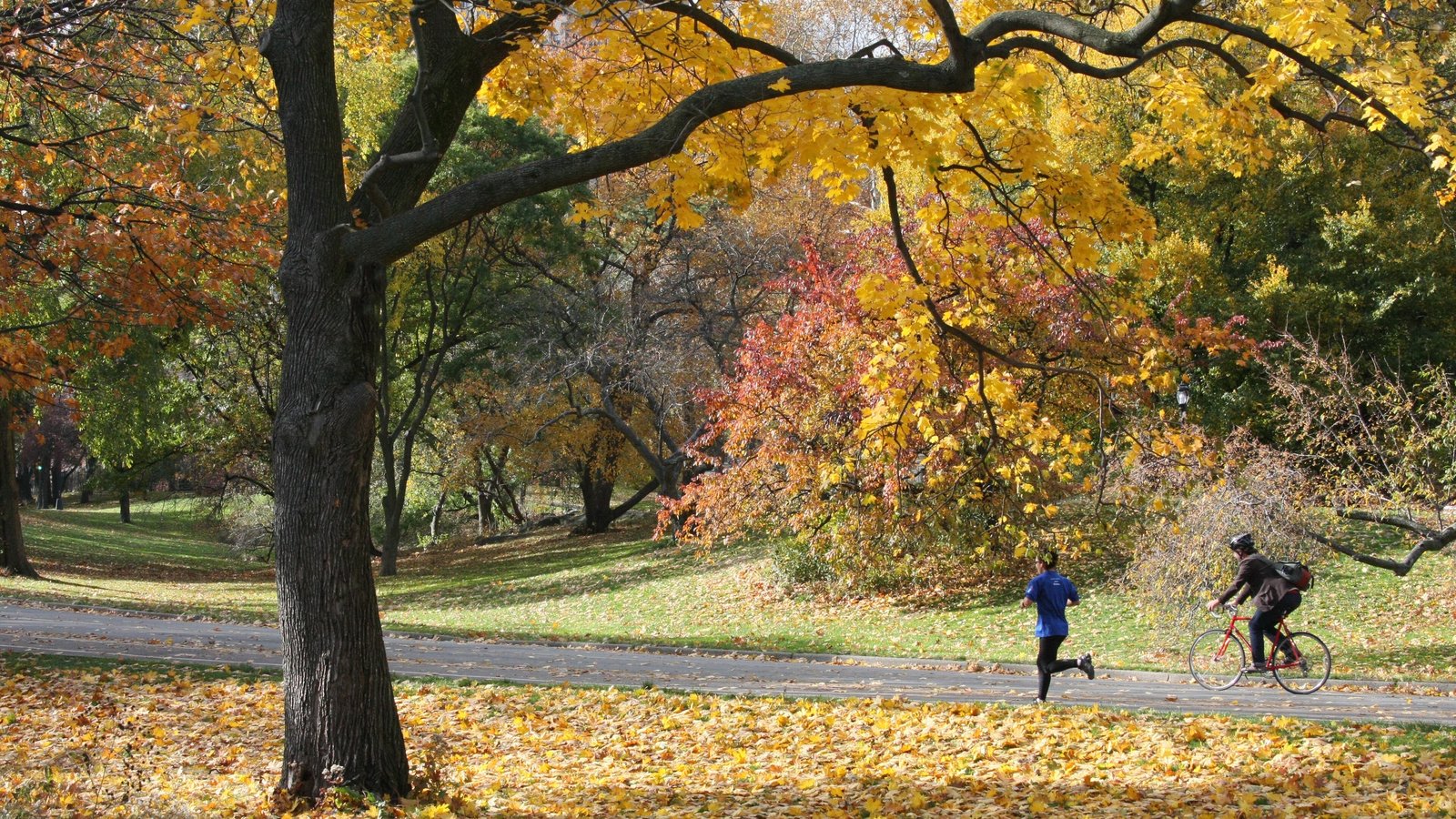
Being active is widely said to protect the brain, but a large new review suggests that how and where you move may matter as much as how much. Researchers led by the University of Southern California (USC) report that people who exercise in their free time have a lower risk of dementia, while people with physically demanding jobs appear to have a higher one. The analysis, published in The Lancet Public Health, is described by its authors as the first systematic test of whether the 'physical activity paradox' known from heart disease also applies to dementia.
The team, led by David Raichlen, professor of biological sciences and anthropology at USC Dornsife, and first author Natan Feter, analysed data from 74 cohort and case-control studies. Together they covered more than 4.2 million people aged 45 to 93 from 30 countries, followed for a median of 10 years. The researchers tracked diagnoses of all-cause dementia, Alzheimer's disease and vascular dementia.
The headline numbers are clear. Participants with higher levels of recreational physical activity, such as walking, cycling, running, swimming and playing sports, had a 24% lower risk of dementia than the least active people. In contrast, higher levels of physical activity at work were linked to a 20% greater risk. Household chores appeared beneficial, and physically active commuting was linked to a modest increase in risk, but each of those findings rested on very few studies: one for chores and two for commuting.
The patterns also differed in shape. As recreational exercise increased, dementia risk gradually fell until the apparent benefit levelled off. Occupational activity showed the reverse: risk rose at higher levels before reaching a plateau. The occupational result held after the researchers accounted for age, education and chronic health conditions, the university says.
Why would movement at work not protect the brain? The authors do not think the movement itself raises dementia risk. Instead, they suggest that the conditions surrounding manual work may be to blame. Physically demanding jobs are more likely to involve repetitive movements, long periods of standing, heavy lifting and too little recovery time, along with psychological and social stress, limited control over work, unsafe conditions and higher exposure to air and noise pollution. Each of these has been linked independently to dementia risk.
People who exercise for pleasure usually control the intensity and type of what they do, and recreation can bring social contact and stress relief. Workers in physical jobs, meanwhile, may be too tired or short of time to exercise in their leisure hours, or lack safe places to do so. 'The findings challenge the long-held assumption that every move counts for brain health,' said Feter.
The researchers are careful about what the results do not show. Because the studies are observational, they cannot establish that occupational activity causes dementia, and the authors stress that the findings should not discourage anyone from taking or keeping a physically active job. Most of the evidence also comes from high-income countries, although low- and middle-income countries are expected to see the biggest increases in dementia in the coming decades, and nearly all the studies relied on participants' own reports of their activity, which can be inaccurate.
The study points to a policy message more than a personal one. 'When it comes to protecting the brain, the context of physical activity may matter just as much as movement itself,' Raichlen said. He argued that safe parks, walking trails and recreational facilities, enough leisure time for exercise and fewer harmful workplace exposures may be as important as simply telling people to move more. In other words, advice to 'be more active' may work best when people have the time, energy and safe surroundings to follow it.
The same group has also reported, in the journal Alzheimer's & Dementia, that different types of sedentary behaviour may relate to brain structure differently: mentally stimulating sitting activities such as desk work were linked to larger volumes in some cortical regions than passive activities such as watching television. Together, the work suggests that context matters for both movement and stillness.
What can readers take from it? Recreational exercise remains one of the better-supported habits for brain health, and nothing in the review suggests that anyone should avoid physical work. People in demanding jobs may benefit from protecting recovery time, sleep and, where possible, safe opportunities for leisure activity. As always, a single meta-analysis is not a prescription, and anyone worried about memory should speak to a doctor. Today News Brief will keep following research on dementia prevention.
Sources: Feter N. et al., Domain-specific physical activity levels and risk of dementia, The Lancet Public Health 2026;11(9):e650; ScienceDaily, University of Southern California release, 27 November 2026.