FDA warns of rare eye-condition risk with GLP-1 drugs
The U.S. Food and Drug Administration is requiring a safety-labeling change for all marketed GLP-1 medicines after concluding there is a potential increased risk of a rare eye condition, NAION. A causal relationship has not been settled.
The U.S. Food and Drug Administration said it is requiring the makers of glucagon-like peptide-1 receptor agonists, a widely used class of medicines for type 2 diabetes and weight loss, to add information to the Warnings and Precautions section of their labeling about a potential increased risk of nonarteritic anterior ischemic optic neuropathy, or NAION, a rare condition that can cause sudden vision loss.
The agency said an analysis of 126 randomised, controlled clinical trials found 6.4 NAION cases per 100,000 person-years in patients treated with GLP-1 medicines, compared with 3.8 per 100,000 person-years in patients given a placebo or a non-GLP-1 glucose-lowering drug. Published estimates of NAION in the general population, the FDA noted, range from 2.3 to 10.2 cases per 100,000 people a year in adults over 50. Cases have been reported for all currently marketed GLP-1 products, the agency said. It concluded that there is a potential increased risk of rare NAION events in patients taking these drugs.
A causal relationship has not been established in the language of the FDA notice, which describes a potential increased risk. Diabetes itself is a known risk factor for NAION, CNBC noted, which complicates efforts to separate a drug effect from patients’ underlying health. Novo Nordisk, which makes Ozempic and Wegovy, said it “continues to believe the data do not establish a cause-and-effect relationship” and that it remains confident in the benefit-risk profile of its GLP-1 medicines. Eli Lilly, which makes Mounjaro, Zepbound and Foundayo, said it is “carefully evaluating the update and will respond to FDA promptly.”
The FDA said patients should immediately report a sudden onset of acute, painless decreased vision, visual-field deficits or other visual disturbances in one eye. If NAION is suspected, it said, the patient should be referred promptly to an ophthalmologist, and doctors should consider stopping the GLP-1 medicine unless the benefits of treatment clearly outweigh the risk.
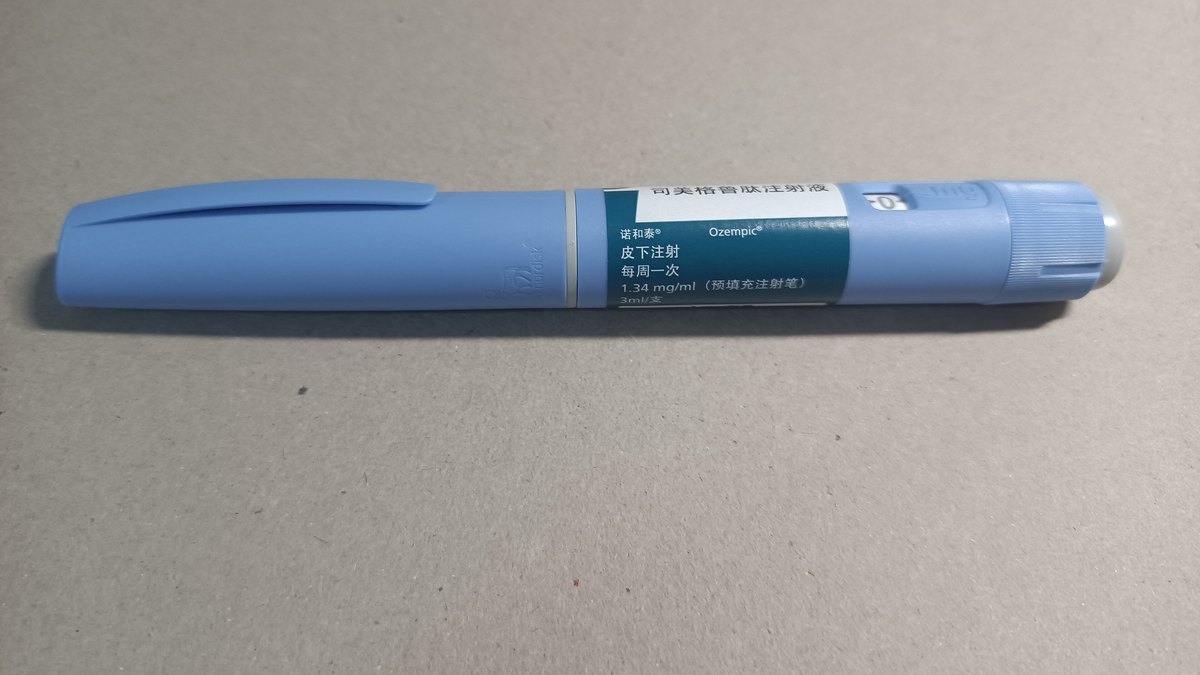
The photograph published with this article is a file image of an Ozempic pen; the labeling change applies to the GLP-1 class as a whole, not only to that product.