Fruit and fish in childhood linked to lower Crohn's risk, salty teenage snacks to more IBD
Children who eat plenty of fruit and fish appear less likely to develop Crohn's disease as young adults, while teenagers who eat a lot of salty snacks such as crisps face a higher risk of inflammatory bowel disease, according to a large study of almost 112,000 children in Norway, Denmark and Sweden published in the journal Gut and announced on 23 November 2026.
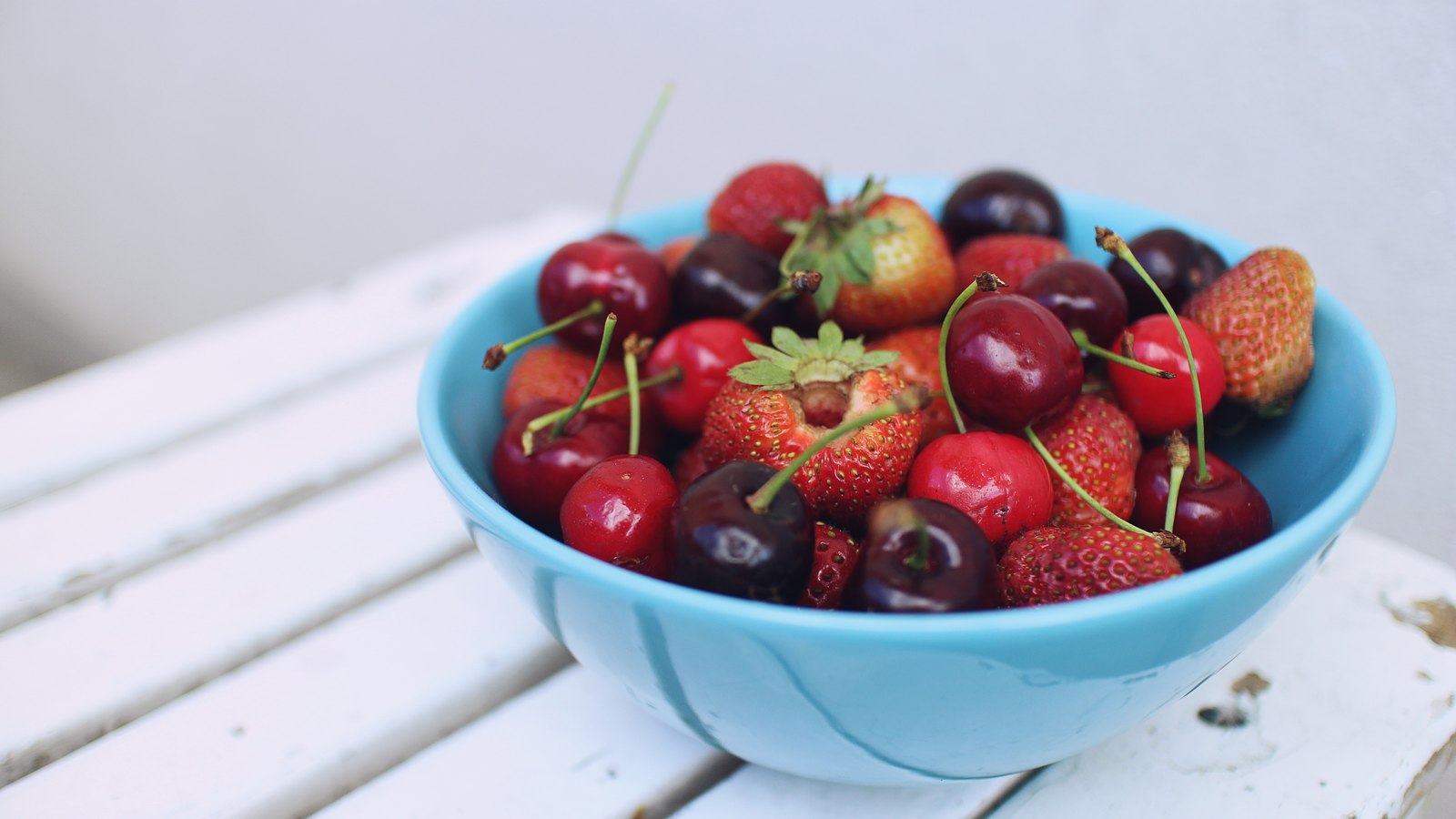
What children eat between the ages of about 7 and 15 may influence their risk of inflammatory bowel disease (IBD) years later. A large long-term study published online in Gut, a journal of the BMJ group, and announced on Monday, 23 November 2026, found that a diet rich in fruit and fish in childhood was linked to a lower risk of Crohn's disease, while a high intake of salty snacks in the teenage years was linked to a higher risk of IBD in young adulthood.
IBD is an umbrella term mainly for Crohn's disease and ulcerative colitis, chronic conditions that cause inflammation of the digestive tract, with symptoms such as abdominal pain, diarrhoea, fatigue and weight loss. Cases have been rising worldwide as more countries adopt Western lifestyles, including Western diets. Earlier research suggested that diets low in fruit and vegetables and high in sugar in early life can shape the gut microbiome and immune system, but it was less clear whether eating habits later in childhood also matter.
To find out, researchers pooled data from three population-based birth cohorts: the Norwegian Mother, Father and Child Cohort Study (MoBa), the Danish National Birth Cohort and All Babies in Southeast Sweden. In total, 111,999 participants were followed from pregnancy or birth. Their diets were recorded twice between the ages of 7 and 15 through detailed food questionnaires that covered fruit, vegetables, dairy, meat, fish, sugary drinks and snacks; questions about salty snacks such as crisps, corn chips and popcorn were asked only in the teenage years. Diagnoses were taken from national patient registers up to 2024, and 653 cases of IBD were identified over 12 to 17 years of follow-up.
After adjusting for social and family factors, including parental IBD and maternal smoking, a high fruit intake in childhood was associated with a 34% lower risk of Crohn's disease compared with a low intake, and a high fruit intake in adolescence with a 64% lower risk. Unexpectedly, high childhood fruit intake was also linked to a 54% higher risk of ulcerative colitis, although no such link appeared in the teenage years. Eating a lot of fish in childhood was associated with a 35% lower risk of Crohn's disease. Finally, a high intake of salty snacks during adolescence was linked to a 32% higher risk of any IBD and a 51% higher risk of ulcerative colitis. Other food groups showed no significant associations.
The authors stress that this is an observational study, so it cannot prove cause and effect, and they could not account for some factors such as physical activity or antibiotic use later in life. They also note that they analysed specific food groups rather than whole dietary patterns. Still, the results held up after additional checks for early-life factors such as antibiotics in the first year and the length of breastfeeding.
There are plausible explanations. Fruit is rich in fibre, which feeds gut bacteria that produce short-chain fatty acids thought to have anti-inflammatory effects, and people with Crohn's disease seem particularly vulnerable to imbalances in the microbiome. Fatty fish provides long-chain omega-3 fatty acids, which help regulate inflammation. 'If our findings are confirmed in other cohorts and by other study designs, promoting healthy dietary habits could be a potential strategy for IBD prevention,' the researchers concluded.
Analysis: for parents, the practical message is familiar but useful: regular fruit, fish once or twice a week and fewer packets of crisps are good habits for many reasons, and this study adds a possible benefit for gut health. The numbers should be read with care, though. IBD remains relatively rare, so a 34% lower relative risk translates into a small absolute difference for any one child. The surprising link between fruit and ulcerative colitis also shows that the two diseases may respond differently to diet, which is a question for future research rather than a reason to cut fruit.
Sources: BMJ via Medical Xpress, 23 November 2026; study: 'Food group intake during childhood and adolescence and risk of IBD: a pooled study of three Scandinavian birth cohorts', Gut (2026), DOI: 10.1136/gutjnl-2026-339600.