Pope Francis's private diary is published: fear, a two-year spiritual crisis and the 'gates of hell' of the abuse scandal
'The Private Diary of Pope Francis', a selection of notes the late pope wrote in a black plastic planner between 1992 and 2024, went on sale worldwide on Tuesday, 24 November 2026. Edited by Cardinal Víctor Manuel Fernández with the approval of Pope Leo XIV, the 160-page book reveals Francis's fears and feelings of inadequacy, a spiritual crisis in 2021-2022, encounters he describes with the devil, and his anguish over clerical sexual abuse.
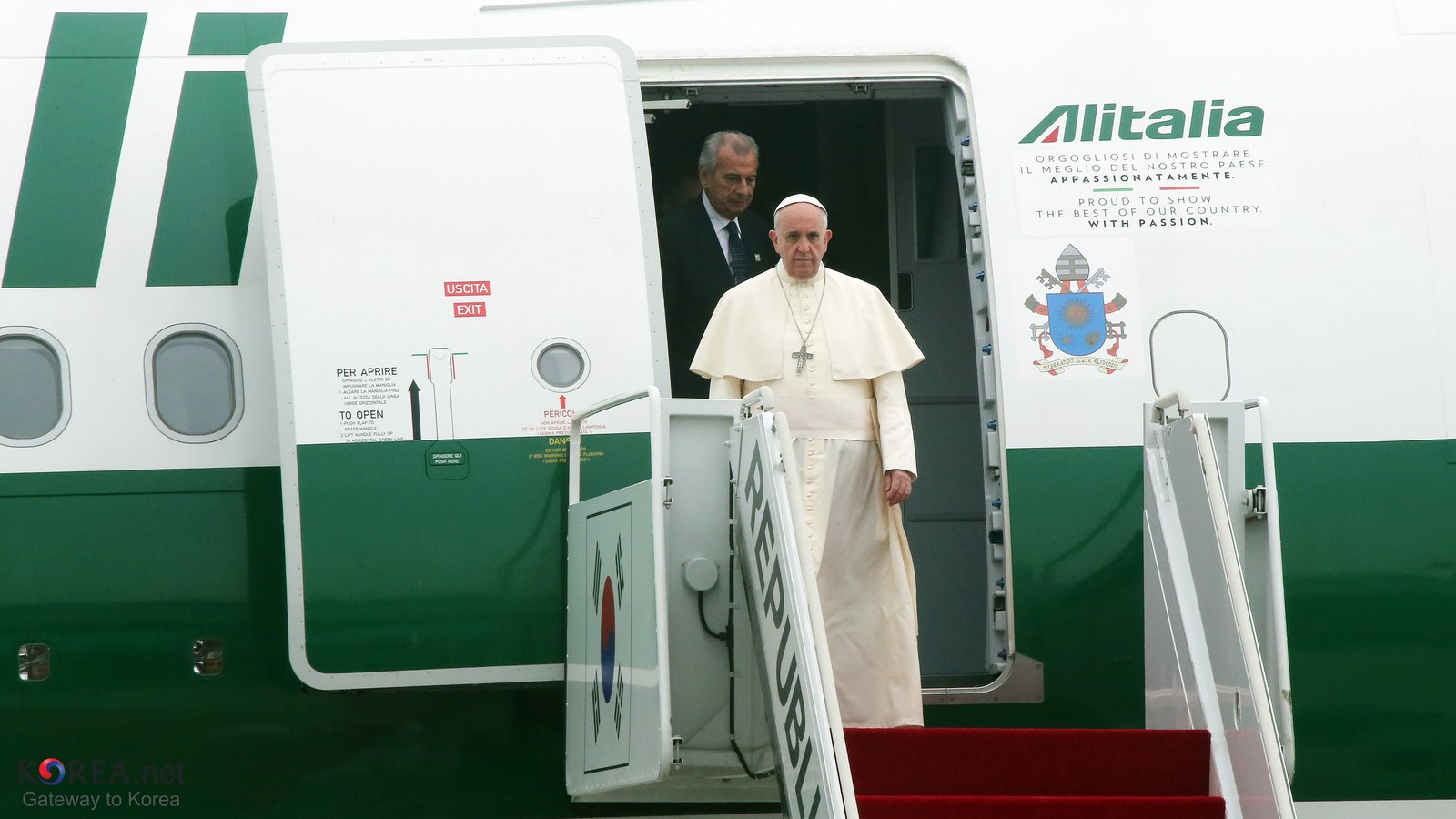
Pope Francis was famous for speaking freely, but he kept his most private thoughts in a small planner with a black plastic cover. On Tuesday, 24 November 2026, a selection of those notes was published as a book, 'The Private Diary of Pope Francis', released in five languages and distributed in 94 countries. Penguin Random House publishes the English edition in the United States and the United Kingdom. The entries run from 1992, when Jorge Mario Bergoglio was a bishop in Buenos Aires, to 2024, the year before his death.
The book was edited by Cardinal Víctor Manuel Fernández, a longtime friend whom Francis brought from Argentina to Rome in 2023 to lead the Dicastery for the Doctrine of the Faith. In his prologue, Fernández recalls seeing an 'old agenda book' at the Casa Santa Marta, where Francis lived, and being told: 'You others will see about this.' Fernández later sought and received the approval of Pope Leo XIV, and spent about a year selecting texts that could, in his words, bring 'some edification' to readers. The result is 160 pages of short notes written in small, slanted handwriting.
What emerges is a far more vulnerable figure than the confident pope of public life. Francis repeatedly doubts whether he is equal to his role. 'I am afraid,' he writes in one terse entry, worried that he might cause harm to others; at one point he asks God to take him 'away' instead. On 12 February 2013, he notes simply: 'Yesterday the Pope resigned', a reference to Benedict XVI's announcement, weeks before Bergoglio himself was elected.
The most striking passages describe what Francis saw as spiritual battles. He writes that he 'clearly heard the voice of the devil' and saw him once 'from the car' and another time 'in the choir loft' during Mass, remembering his 'menacing' eyes. Media reports note that the diary describes three such encounters. Francis also writes that he saw the 'gates of hell' when he understood the scale of the clerical sexual abuse scandal, and that he sensed evil intruding on moments such as his 2018 visit to Chile, which was overshadowed by abuse cases.
According to Vatican News, the diary reveals a spiritual crisis of about two years, from early 2021 to 2022, when his health was worsening and he felt under 'decisive assaults by the forces of evil'. He describes it in terms close to the 'dark night of the soul' of Saint John of the Cross, and says he found relief in prayer, in the Rosary and in signs of God's mercy: 'He smiled… I felt the merciful gaze of Jesus.' Fernández argues that this crisis led to two of Francis's late documents, the 2023 exhortation C'est la confiance on Saint Thérèse of Lisieux and his last encyclical, Dilexit nos, in 2024.
Analysis: publishing a pope's private notes is unusual and bound to divide opinion. Supporters will see a moving portrait of faith under pressure, one that makes Francis more human and may help believers who struggle with doubt. Critics may ask whether a man who wrote for himself would have wanted these pages shared, and whether a selection made by a close friend can give a full picture. Passages about the devil will also fascinate secular readers, but they should be read within Catholic spiritual tradition, where such language is long established, rather than as sensational revelations.
For historians, the diary is a rare primary source on the inner life of a modern pope during some of the Church's hardest years, from the abuse crisis to the pandemic. It also shows how much of his public agenda, from mercy to attention to the poor, grew out of private prayer. For readers in Romania and elsewhere, translations are expected to follow the first five editions.
The book's message is perhaps best summed up by one of its quietest entries, from his 2023 visit to Fatima, where he stood silently before the statue of the Virgin. Asked later why he said nothing, the diary has the answer: 'I gazed and prayed.'
Sources: Vatican News, 24 November 2026; Associated Press, 24 November 2026; The Guardian, 24 November 2026; BBC News, 24 November 2026.