FDA investigates two new Salmonella outbreaks: how to keep eggs and poultry safe in your kitchen
The US Food and Drug Administration is investigating two new outbreaks of Salmonella Enteritidis that have made 31 and 14 people ill, without yet naming a food. A separate Salmonella Javiana outbreak has grown to 70 cases. With holiday cooking season starting, here is what home cooks should know.
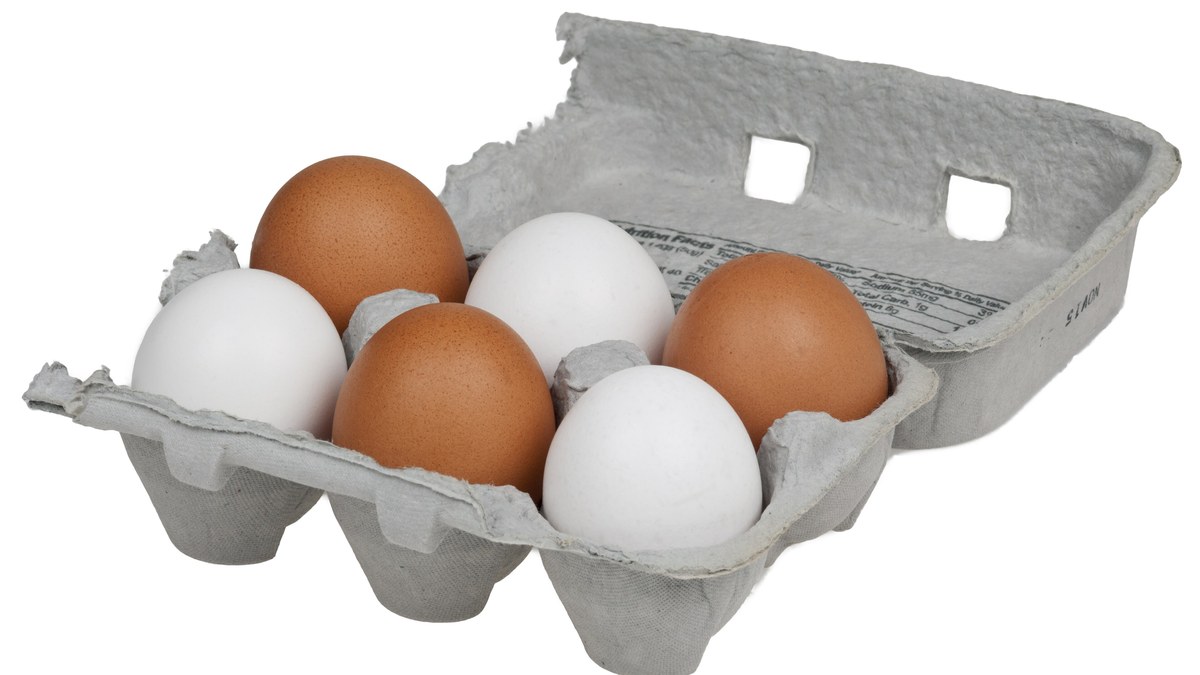
The US Food and Drug Administration (FDA) has opened investigations into two new outbreaks of Salmonella Enteritidis, one of which has sickened 31 people and the other 14, Food Safety News reported on 16 November 2026, based on the agency's weekly outbreak table. Traceback, the process of following the supply chain backwards from sick people to a common source, has begun in both cases, but the FDA has not named the foods involved.
At this stage, no inspections or sampling have started, no recalls have been announced and the agency has not issued a consumer advisory for either outbreak. The FDA has also not released information about the patients' ages or where they live. That is normal early in an investigation: officials first need interviews with patients about what they ate, followed by supply-chain records, before they can say with confidence which product is responsible.
A third, older outbreak is still growing. A Salmonella Javiana outbreak first posted by the FDA on 28 October, when there were 59 confirmed patients, has now reached 70 cases, up from 65 a week earlier. In that case the agency has started an inspection and begun collecting samples, but has not said which location is being inspected or what is being tested.
Why the strain matters to cooks: Salmonella Enteritidis is one of the types most often linked to eggs and poultry, according to the US Centers for Disease Control and Prevention (CDC), because the bacteria can infect hens and be present inside eggs that look perfectly normal. That does not mean the two new outbreaks are caused by eggs; the FDA has not identified any food. But it is a useful reminder as the holiday cooking season begins, with Thanksgiving in the United States on 26 November and Christmas baking ahead in Europe, when homemade mayonnaise, eggnog, tiramisu and cookie dough are on many tables.
Contaminated food does not usually look, smell or taste spoiled, which is why safe handling matters. Symptoms of salmonellosis typically appear 12 to 72 hours after eating contaminated food and include diarrhoea, stomach cramps and fever. Most healthy adults recover in four to seven days without treatment, but the illness can be severe, and sometimes life-threatening, for infants, young children, older adults, pregnant women and people with weakened immune systems. Anyone with severe symptoms, such as high fever, bloody diarrhoea or signs of dehydration, should seek medical attention and mention possible food exposure, because special tests are needed for diagnosis.
Practical kitchen rules from food safety agencies: keep eggs refrigerated at 4°C (40°F) or below and throw away any that are cracked or dirty. Cook eggs until both the white and the yolk are firm, and cook egg dishes such as quiches and casseroles to an internal temperature of 71°C (160°F). For recipes that use raw or lightly cooked eggs, such as mayonnaise, aioli, tiramisu or mousse, use pasteurised eggs, especially when serving children, older relatives or pregnant guests. Cook poultry, including stuffing cooked inside the bird, to at least 74°C (165°F), checked with a food thermometer in the thickest part.
Avoid cross-contamination. Wash hands with soap for at least 20 seconds after handling raw eggs or meat; use separate chopping boards for raw poultry and for vegetables or bread; and do not wash raw chicken or turkey in the sink, which can splash bacteria around the kitchen. Do not taste raw dough or batter. Refrigerate leftovers within two hours of cooking and reheat them until steaming hot.
Why it matters: Salmonella is among the leading causes of foodborne illness in both the United States, where the CDC estimates it causes about 1.35 million infections a year, and the European Union, where salmonellosis is the second most commonly reported foodborne zoonosis after campylobacteriosis, according to the European Food Safety Authority. Most cases are never linked to a reported outbreak, which means good habits at home remain the most effective protection. We will update this article if the FDA names a product or announces a recall.
Sources: Food Safety News, Coral Beach, 16 November 2026 (new Enteritidis outbreaks, Javiana case counts, symptoms) (https://www.foodsafetynews.com/2026/11/fda-investigating-two-new-salmonella-outbreaks/); US FDA, CORE Investigations of Foodborne Illness Outbreaks table (https://www.fda.gov/food/outbreaks-foodborne-illness/investigations-foodborne-illness-outbreaks); US CDC, Salmonella and egg safety guidance (Enteritidis and eggs, safe temperatures, annual estimates); European Food Safety Authority, One Health zoonoses reports. This article is general information, not medical advice. Photo: file image.