Visa and Mastercard ask a US judge to approve their $38 billion swipe-fee deal as more than 1,000 merchants object
Visa and Mastercard urged US District Judge Brian Cogan in Brooklyn on Monday, 16 November, to give final approval to a $38 billion settlement that would cut card fees and end the "Honor All Cards" rule. The judge did not rule, but warned that rejecting the deal would send the 21-year-old case to trial.
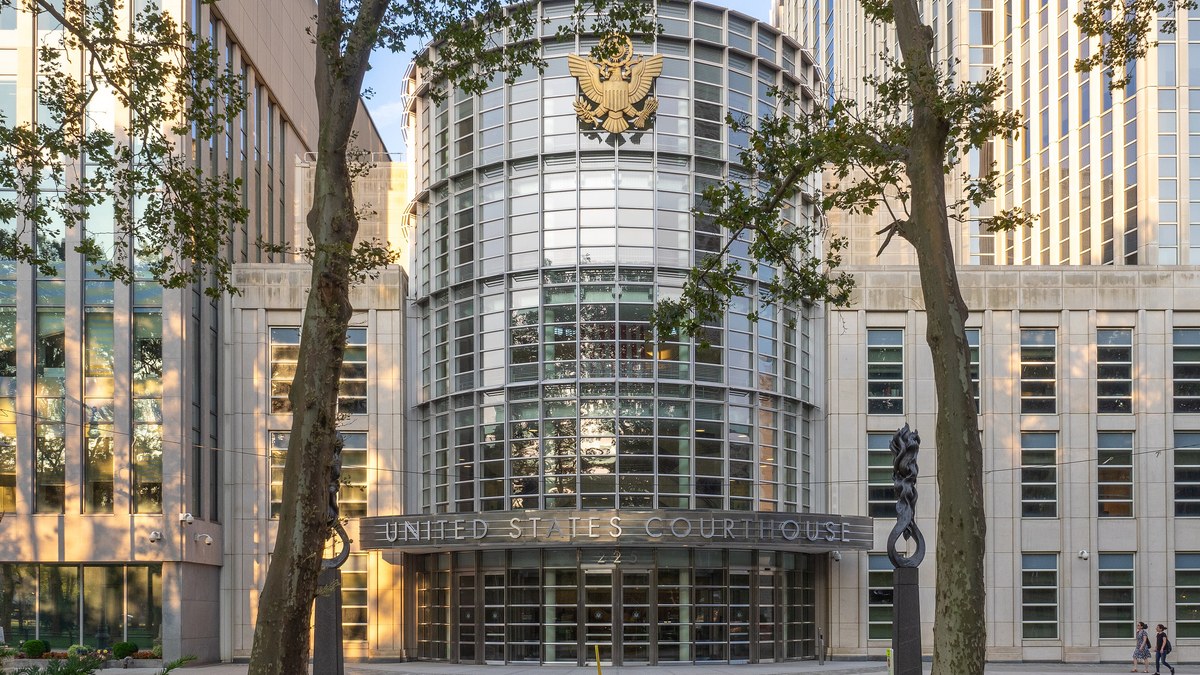
Visa and Mastercard asked a federal judge in New York on Monday, 16 November 2026, to give final approval to their $38 billion settlement with US merchants, a deal that would lower the fees shops pay to accept card payments and, for the first time, allow them to refuse some types of card. US District Judge Brian Cogan in Brooklyn heard arguments for and against the settlement but did not decide whether to approve it, Reuters reported.
Cogan made clear that the choice in front of him is stark. If he rejects the deal, he said, he is unlikely to send the parties back to negotiate another version. "If I reject this, it's going to trial," he said, according to the Merchants Payments Coalition, a group opposed to the settlement. He described a trial as a "protracted process" that would require about two months of preparation and two months in court, plus further proceedings on remedies if the merchants won. "That's something for me to take into account in determining whether to approve this settlement," he added.
The case dates back to 2005, when merchants accused Visa, Mastercard and card-issuing banks of conspiring to fix "interchange" or swipe fees, the charges retailers pay on every card transaction. Those fees have grown sharply: they totalled $118.8 billion for Visa and Mastercard in the United States in 2025, up from $111.2 billion in 2024 and $25.6 billion in 2009, with an average rate of 2.36%, according to figures from the Merchants Payments Coalition cited by Reuters. An earlier settlement was overturned on appeal in 2016, and another judge rejected a $30 billion proposal in 2024 as too small.
Under the new proposal, Visa and Mastercard would cut swipe fees by 0.1 percentage point for five years and cap fees on standard consumer cards at 1.25% for eight years. The most significant change is the end of the "Honor All Cards" rule, which forces merchants that accept any Visa or Mastercard card to accept all of them. Instead, merchants could choose among three categories: commercial cards, premium consumer cards including rewards cards, and standard consumer cards. Experts hired by the plaintiffs, including Nobel Prize-winning economist Joseph Stiglitz, estimated the changes could save merchants $38 billion by 2031.
Visa's lawyer Michael Shuster called the relief "potent" and said the networks were not "jumping with joy". "It's going to change life for the networks," he told the court. Supporters include the Electronic Payments Coalition, whose members include Visa, Mastercard and large card issuers such as Bank of America, Capital One, Chase and Citibank.
Opponents see it very differently. The court received slightly more than 1,000 objections, including from Walmart and the National Retail Federation. Mithun Mansinghani, a lawyer for the National Association of Convenience Stores and Circle K, said the deal created no structural reform to promote competition among card issuers and left fees too high on commercial and premium cards, which make up more than 90% of the market. "Competition should be the North Star ... and this settlement is way off course," he said. "It's like building a bridge that goes a quarter of the way across the Hudson." Merchants also object that they would be barred from suing again for at least eight years.
Why it matters: swipe fees are one of the largest operating costs for US retailers after wages and rent, and they are largely invisible to shoppers because they are built into prices. Whether the settlement is approved or the case goes to trial will shape how much consumers pay at the till for years and could influence debates elsewhere. In the European Union, interchange fees on consumer cards have been capped since 2015 at 0.2% for debit and 0.3% for credit cards, far below US levels, which is why the American dispute is often cited by European regulators and payment firms.
The settlement covers more than 12 million merchants, although some opponents argue that more than 20 million businesses could be affected. American Express and Discover, owned by Capital One, are not part of the case. Cogan, who granted preliminary approval in June, gave no timetable for his decision.
Sources: Reuters, Jonathan Stempel, 16 November 2026, via Investing.com (hearing, fee figures, settlement terms, Shuster and Mansinghani quotes) (https://www.investing.com/news/stock-market-news/visa-mastercard-urge-approval-of-38-billion-swipe-fee-settlement-5030740); Merchants Payments Coalition, press release, 16 November 2026 (Cogan's remarks on a trial, objectors' arguments) (https://merchantspaymentscoalition.com/more-1000-merchants-urge-judge-reject-flawed-visamastercard-swipe-fee-settlement); EU Interchange Fee Regulation (2015) for the European comparison. Photo: file image of the Brooklyn federal courthouse.