US air travel disruptions continue into a third day, with more than 5,200 flights already hit on Sunday
U.S. air travel disruptions continued into a third day on Sunday, 15 November 2026, with more than 5,200 flights already affected, including more than 1,600 cancellations and almost 3,600 delays, Reuters reported, citing FlightAware. Transportation Secretary Sean Duffy said there was no evidence of a cyberattack and that flights would probably be fully normal on Monday.
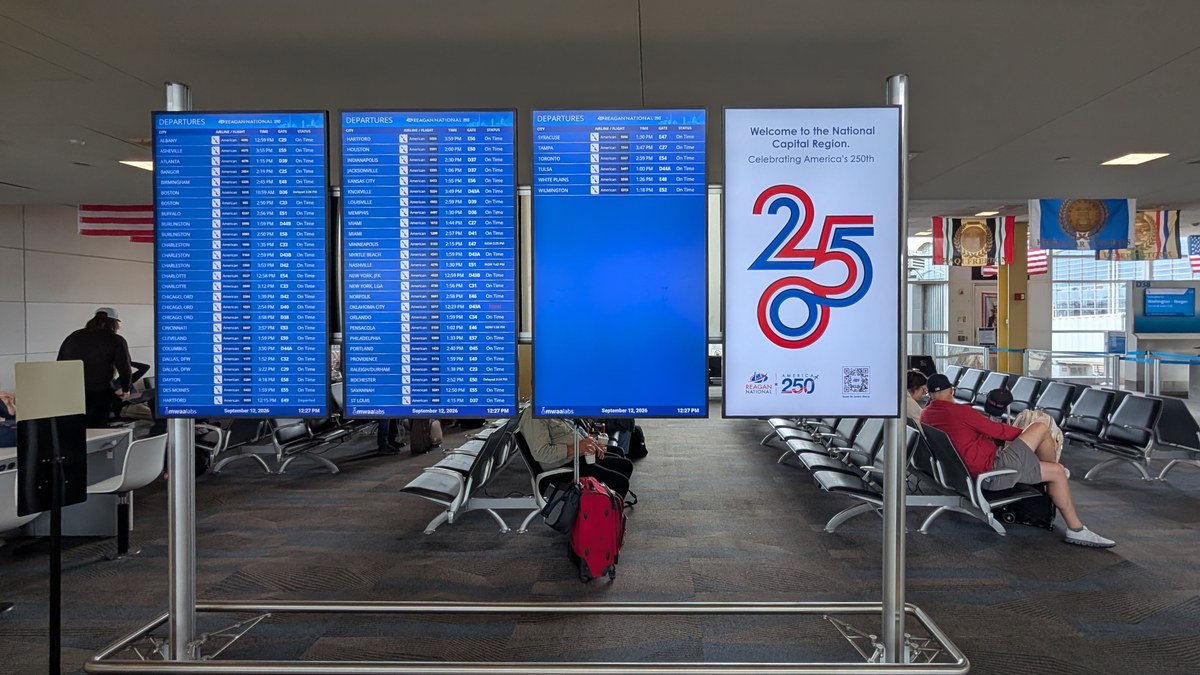
U.S. air travel disruptions continued into a third day on Sunday, 15 November 2026, with more than 5,200 flights already affected, Reuters reported, citing the aviation data site FlightAware. More than 1,600 flights had been cancelled nationwide and almost 3,600 delayed. Transportation Secretary Sean Duffy, appearing on ABC's "This Week," said there was no evidence of a cyberattack or other malicious intent, but that the root cause remained unclear. He said flights would come "back to normal" on Sunday "but probably fully normal" on Monday, and that the Federal Aviation Administration was focused on keeping passengers safe.
The Sunday figures followed a heavier Saturday: airlines had cancelled more than 6,400 U.S. flights and delayed more than 8,000, FlightAware data showed, according to Reuters. On Friday, after the FAA ordered a nationwide ground stop, FlightAware recorded about 9,200 cancellations and 7,500 delays, Reuters reported on 14 November. In a questions-and-answers note published on Sunday, the FAA said operators cancelled approximately 12,462 flights on Friday, including 9,082 by major airlines, and added that not all of those cancellations were caused directly by the ground stop. On Sunday, 27% of JetBlue flights and 13% of American Airlines flights were cancelled, Reuters said, while Southwest, United and Delta reported cancellations of 3% to 5% of their flights.
Friday's nationwide ground stop halted nearly all departing U.S. flights for almost five hours, Reuters said — the longest nationwide halt to U.S. air travel since the 11 September 2001 attacks. The FAA said the technical problem began at about 3:30 p.m. Eastern Time on Friday, 13 November (22:30, Europe/Bucharest), and that the system was made stable and air traffic resumed at 8:15 p.m. ET (03:15 on Saturday, 14 November, Europe/Bucharest). See also our earlier report: FAA cancels nationwide ground stop; disruptions stretch into the weekend.
Officials have traced the episode to maintenance on the FAA's legacy telecommunications network. Reuters, citing officials, said the installation by FAA contractor L3Harris of at least one new router at a remote facility led other air traffic control centres to be overloaded with a flood of data that hampered communications. Duffy said on Sunday that the replacement of a router at an FAA facility in El Dorado, Arkansas, triggered problems with a recently replaced router in Amarillo, Texas, which started broadcasting and overloading routers at other air traffic control centres across the country. The FAA said on Sunday that the "functionality of the originating routers" had been disabled, and that it had done the same for about 60 similar routers in the system. In its own Q&A, the agency said its legacy equipment became unstable when data began flooding the FAA FTI network at a rate of 1,000 connection attempts every four to five seconds, affecting 17 of its 22 Air Route Traffic Control Centers and several terminal radar approach control facilities. It identified a radar site in Amarillo and a radio-communications site in El Dorado as the two potential sources of the flood; L3Harris had been working at the El Dorado site, including deploying a new router. The FAA and L3Harris are still investigating the root cause. Duffy said the maintenance work had been done thousands of times before without issue.
Both Duffy and the FAA said there was no indication of a cyberattack. "Based on all available evidence, we have no indication that this was a cyberattack or an outside nefarious actor," the FAA said. The routers that experienced problems were purchased in 2001 and were obsolete by 2006, Duffy said, according to Reuters. Since Friday he has called for $50 billion in funding to upgrade air traffic control systems, up from his earlier request of $30 billion, after Congress approved $12.5 billion last year.
Sources: Reuters, David Shepardson and Helen Coster, 15 November 2026 (Sunday FlightAware counts, airline cancellation rates, Duffy on ABC's "This Week," the El Dorado and Amarillo routers, and the $50 billion request); Reuters, 14 November 2026 (Saturday and Friday FlightAware counts); Federal Aviation Administration, "Nationwide Ground Stop: Questions and Answers," 15 November 2026, and the FAA's 13 November statement; U.S. Department of Transportation briefing note on Duffy's Sunday television interviews; FlightAware.