SEC probe of Nvidia is examining potential accounting issues, sources tell Reuters
The U.S. Securities and Exchange Commission's enforcement staff are examining potential accounting issues at Nvidia, two sources told Reuters on 20 November 2026. The report came as Nvidia shares fell sharply in a broader sell-off of artificial-intelligence stocks. The SEC declined to comment, and Nvidia did not immediately respond. The company has not been accused of wrongdoing.
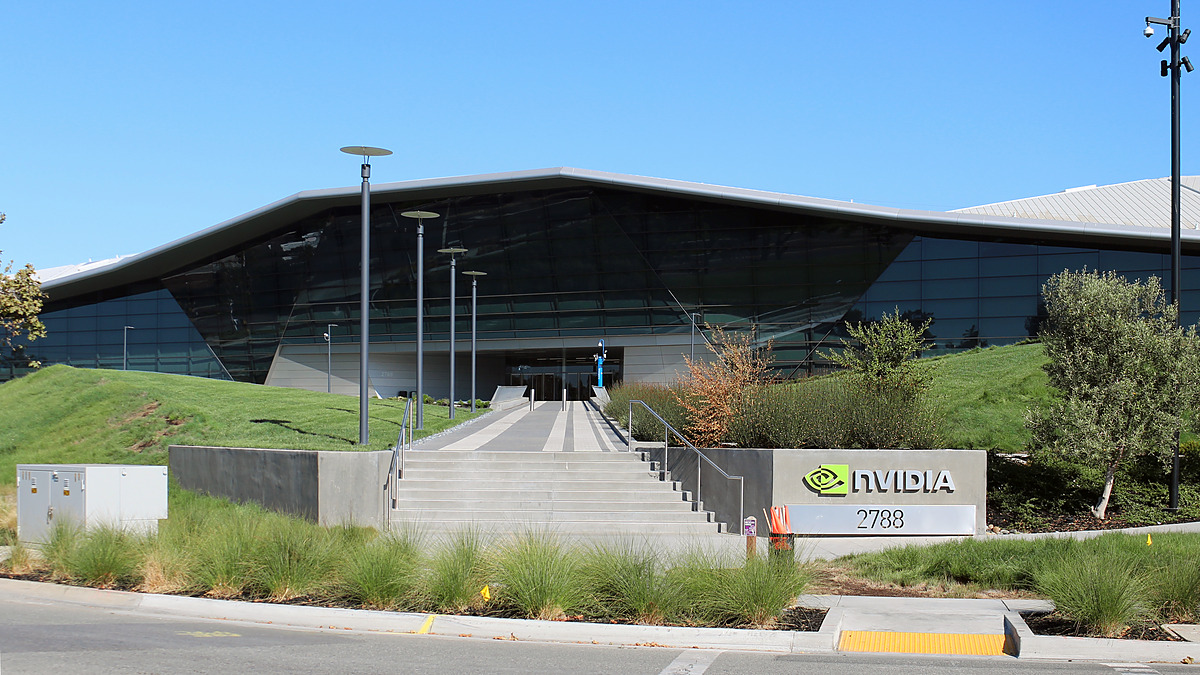
The enforcement staff of the U.S. Securities and Exchange Commission are examining potential accounting issues at Nvidia, two people familiar with the matter told Reuters on Friday, 20 November 2026. The exclusive, by Chris Prentice and Alexandra Alper, did not say that the commission had found violations, and it should not be read as an allegation of fraud. A probe is not a charge. The SEC declined to comment, and Nvidia did not immediately respond to Reuters.
The Wall Street Journal had reported earlier in the week, on Tuesday, that the SEC was investigating Nvidia, but it said it could not ascertain the focus of the inquiry. Friday's Reuters account is narrower and more specific: according to the two anonymous sources, the staff's attention includes potential accounting questions. Neither report identified a particular line item, a particular quarter, or a particular customer relationship that is under review. Those details remain unknown on the public record, and they should not be filled in by speculation.
The news landed in an already weak tape for companies tied to artificial intelligence. Reuters, citing LSEG data, said Nvidia shares were down about 13 percent on Friday after the report. The Verge later wrote that the stock had closed the week down 14 percent, at 125.53 dollars, for a seventh straight losing week, and that the decline over that stretch was about 46 percent. Bloomberg Tax described a slide of 14 percent, to 125.84 dollars, and called it the company's biggest single-day drop since January 2025. Those figures are contemporaneous market reports; they are not a finding by the SEC, and small differences among the printed closes reflect ordinary variation in when and how the move was measured.
It is important to keep the sequence clear. An AI-sector sell-off was already under way before Friday's story. The Reuters report then became one of the day's catalysts, and the share-price reaction was severe by Nvidia's recent standards. Correlation is not proof that investors have concluded there is an accounting problem; it is evidence that a well-sourced account of an SEC inquiry, arriving in a fragile market, was enough to add to the selling. Past technology investigations have sometimes ended with no enforcement action at all. Others have ended in restatements or penalties. There is, at this stage, no public basis for preferring one ending over the other.
Nvidia has been the central corporate symbol of the current AI boom, because its data-centre chips are widely used to train and run large models. That prominence cuts both ways. It means any official scrutiny of its accounts is market-moving. It also means rumours and partial reports travel unusually fast. Responsible coverage has to hold two ideas at once: the sources cited by Reuters are describing a real inquiry into potential accounting issues, and the company has not been found to have broken any rule. "Potential" is the word the sources used, and it should stay in the description.
Accounting inquiries at large issuers can touch revenue recognition, the timing of sales to a small number of very large customers, inventory, stock-based compensation, or the way partnerships and supply commitments are described in filings. None of those possibilities has been named by Reuters' sources in the account published on Friday. Readers should therefore resist the temptation to retrofit a theory onto Nvidia's recent quarters. The right statement is the limited one: enforcement staff are, according to two people, looking at possible accounting issues, and the company and the commission have not confirmed the scope.
For investors, the immediate facts are the price move and the existence of the reported probe. For the company's customers and suppliers, nothing in Friday's reporting changes delivery schedules or product roadmaps on its own. For regulators, the standard remains the usual one: staff can open an inquiry, issue requests, and later close the file or recommend a formal action. Until there is a public order, a settled case, or a detailed confirmation from Nvidia or the SEC, the story is a sourced report about the focus of an investigation, not a verdict on the accounts.
The broader market context should not be ignored, but it should not be over-read either. A 13-to-14 percent single-day decline, and a slide of about 46 percent over seven losing weeks, as reported by The Verge, would be notable for any mega-cap name. Those numbers describe sentiment and positioning in AI stocks as much as they describe one article. Friday's close, however it is rounded, does not tell us whether Nvidia's books will stand or be restated. It tells us that the combination of a sector drawdown and a Reuters exclusive was enough to drive a sharp additional drop.
This article therefore stays inside what the sources have said. The SEC's enforcement staff are examining potential accounting issues at Nvidia, according to two people who spoke to Reuters. The Journal had already disclosed the existence of a probe without its focus. Officials and the company have not offered a public rebuttal or a confirmation. No accusation of fraud has been made in the reporting, and none is made here.
Sources: Reuters, Chris Prentice and Alexandra Alper, 20 November 2026, citing two sources and LSEG price data; The Wall Street Journal's earlier report that an SEC probe was under way; The Verge, on the week's close and the seven-week decline; Bloomberg Tax, on the single-day percentage move.