Sanofi agrees to buy Insmed for 41 billion dollars, its biggest deal in 20 years, as it plans for life after Dupixent
French drugmaker Sanofi said on Tuesday, 24 November 2026, that it will buy US respiratory specialist Insmed for $41 billion in cash, or $175 per share, its largest acquisition in two decades. The deal gives new CEO Belén Garijo two approved lung medicines and a pipeline to cushion the coming patent expiry of Sanofi's blockbuster Dupixent. Sanofi shares rose about 10%, their biggest one-day gain since 2008.
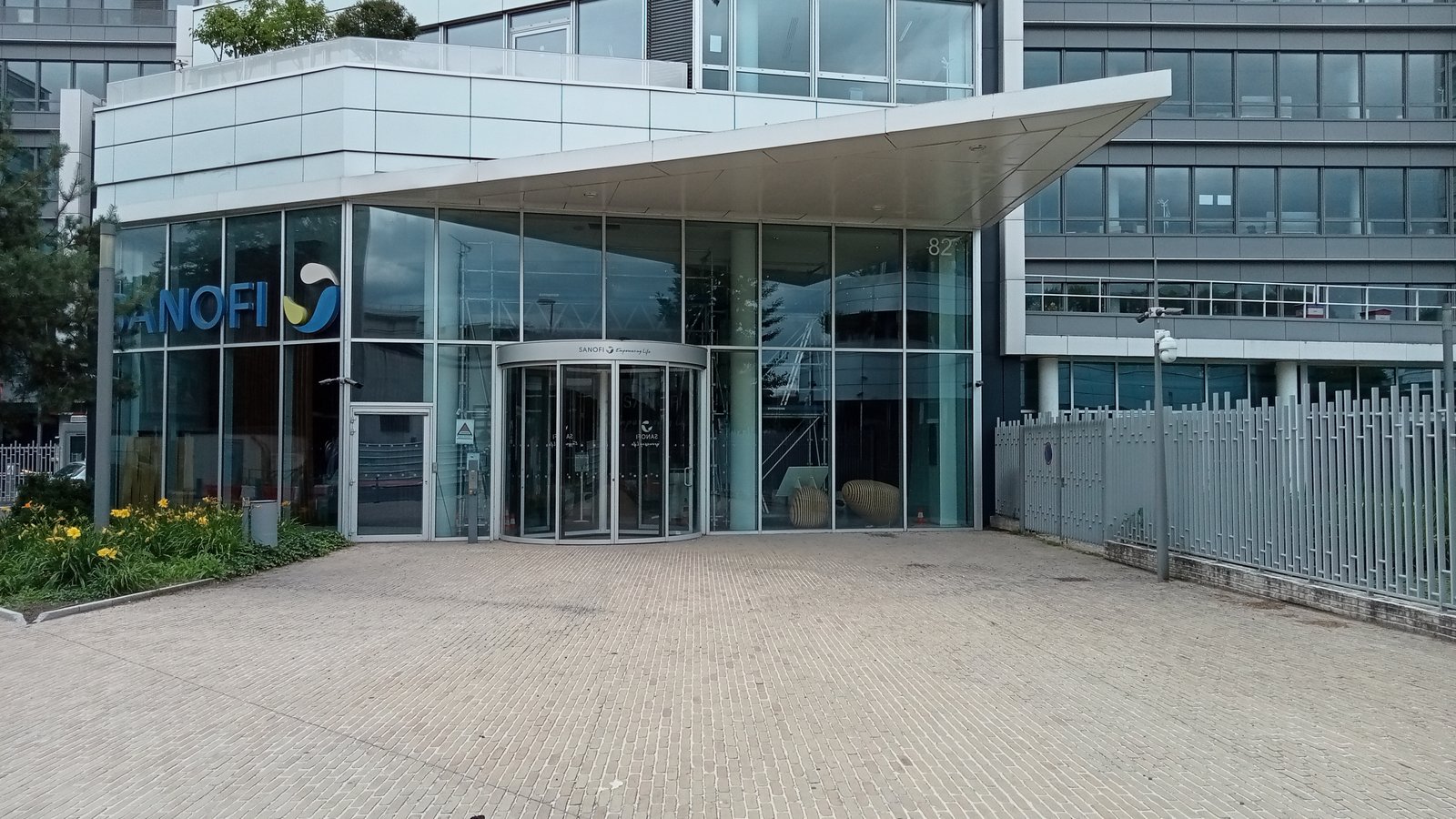
Europe's pharmaceutical industry has its deal of the year. Sanofi, the French drugmaker best known in many homes for its vaccines and consumer brands, said on Tuesday, 24 November 2026, that it had agreed to buy Insmed, a US company specialising in respiratory diseases, for $41 billion in cash. Sanofi will pay $175 per share, a 17.5% premium to Insmed's last closing price. It is Sanofi's biggest acquisition in two decades and, according to its finance chief, the fourth-largest all-cash deal ever made by a European company and the largest by a French one.
Investors liked what they saw. Sanofi shares jumped by around 10%, their biggest daily rise since 2008, and the company was the top gainer on the pan-European STOXX 600 index on a day when the wider market slipped. Insmed's shares rose about 14% in US trading. Sanofi said it would fund the purchase with a mix of new debt and cash on hand; JPMorgan, its sole financial adviser, co-underwrote a $35 billion bridge loan. Insmed was advised by Goldman Sachs. The transaction is expected to close in the first half of 2027.
The logic of the deal is a single word: Dupixent. Sanofi's eczema and asthma drug, developed with Regeneron, generated more than €15 billion in sales last year and makes up almost 40% of the group's revenue. Its main patents start to expire in the early 2030s, after which cheaper copies can be expected to erode sales. Every large drugmaker faces such a 'patent cliff' at some point, and investors have been asking for months where Sanofi's next source of growth would come from.
Insmed brings two medicines that are already on the market. Brinsupri treats non-cystic fibrosis bronchiectasis, a chronic lung condition in which the airways are permanently widened and prone to infection, and Arikayce treats a hard-to-cure lung infection caused by Mycobacterium avium complex. Sanofi CEO Belén Garijo said the portfolio has combined peak sales potential of more than $10 billion by the end of the next decade. She argued that Sanofi's global sales force and experience in respiratory medicine can help these drugs reach many more patients.
The acquisition is also a defining moment for Garijo, who became Sanofi's first female chief executive in May with a mandate to repair the drug pipeline and stop a slide in the share price. Since then she has launched a strategic review, reshaped the executive committee and expanded the partnership with Regeneron. Sanofi expects the deal to add to earnings per share by the end of 2028 and to produce more than $500 million in annual cost savings, while keeping its dividend and credit rating safe.
Analysts were broadly positive but not euphoric. Berenberg called the transaction a great fit, citing Insmed's respiratory focus and early commercial products. Shareholders quoted by Reuters said Sanofi was 'finally' doing the deal everyone expected. Jefferies was more cautious, writing that the purchase 'does not fix Sanofi's R&D/pipeline questions, but it buys time'.
Analysis: big pharma is again willing to pay large cash sums for companies with proven products rather than early-stage science. That reflects a simple calculation: buying revenue that already exists is less risky than waiting for experimental drugs to pass clinical trials. The risk for Sanofi is overpaying for growth that depends on doctors adopting Brinsupri widely in a relatively new market. Insmed's shares, notably, are below their peak of a year ago. Regulators in the US and Europe will also review the deal, although the two companies' portfolios overlap only partly.
For patients, the most important question is access. Bronchiectasis affects hundreds of thousands of people in Europe, many of whom live with frequent flare-ups and hospital visits. If Sanofi uses its scale to launch Brinsupri in more countries, including smaller EU markets such as Romania, the deal could matter far beyond the stock market. Sanofi has said it will keep room for smaller acquisitions in immunology, rare diseases and vaccines.
Sources: Reuters, 24 November 2026; Reuters (European markets), 24 November 2026.