Oil sinks to a three-month low as Middle East supply rises and Libya's Sharara pipeline restarts
Oil prices fell more than 3% on Monday, 23 November 2026, to their lowest close in about three months. Brent settled at $89.37 a barrel and US crude at $80.17, as rising Middle East output and the restart of Libya's Sharara pipeline outweighed fresh attacks on shipping and refineries in the Gulf region. OPEC+ meets on 29 November to set its 2027 policy.
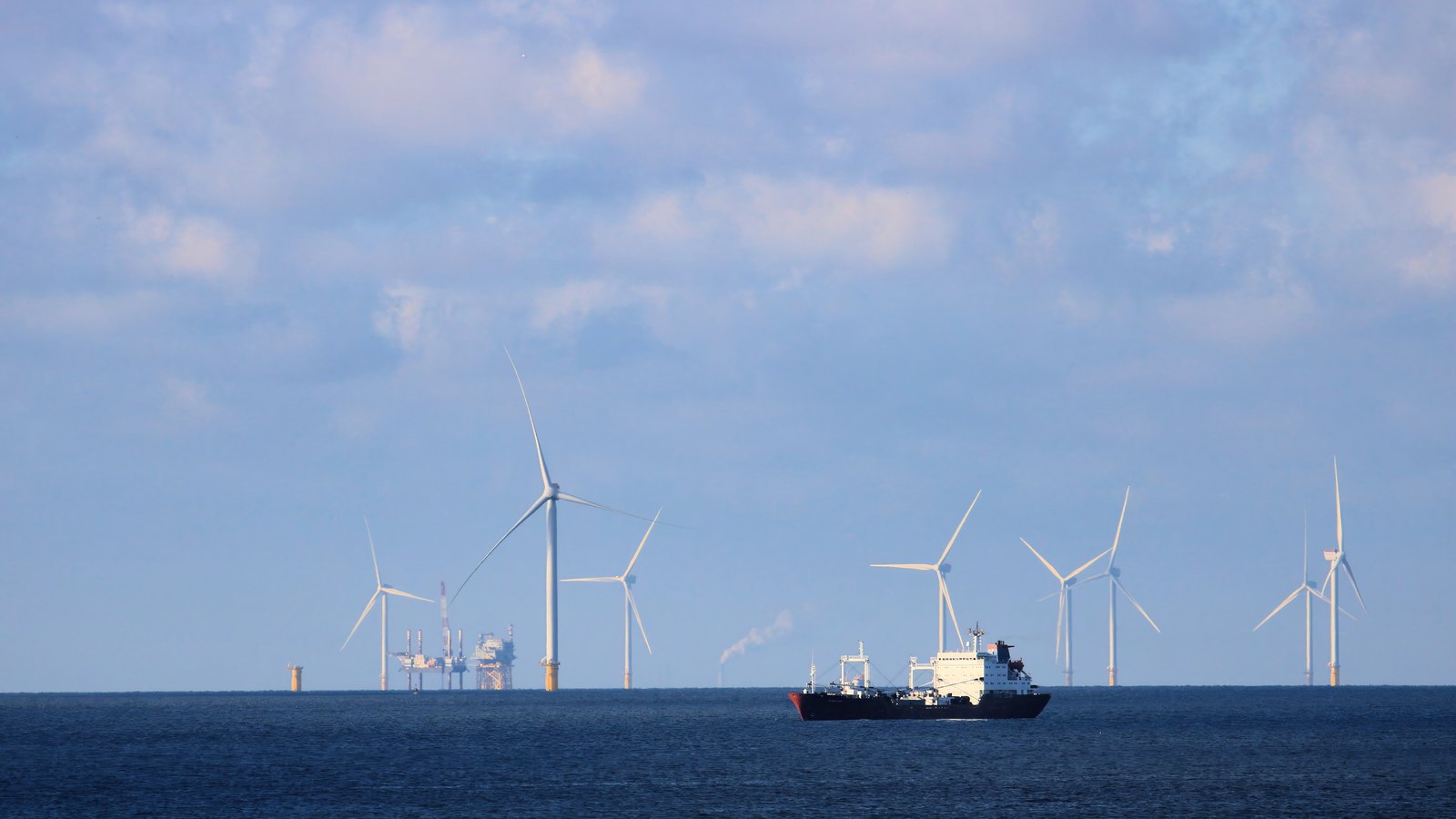
Oil prices slid to a three-month low on Monday, 23 November 2026, as traders focused on rising supply rather than on the continuing violence around the Gulf. Brent crude futures settled down $3.20, or 3.46%, at $89.37 a barrel, Reuters reported, the lowest close since 31 August. US West Texas Intermediate fell $3.24, or 3.88%, to $80.17, its weakest finish since 10 August. The drop came even though the weekend brought new attacks on shipping and energy infrastructure in the region.
The clearest bearish signal came from Libya. The chairman of the National Oil Corporation told Reuters that the Sharara pipeline had reopened and that crude was beginning to flow into storage tanks at the Akakus facility in Zawiya. The industry publication Hydrocarbon Processing noted that the closure had threatened about 350,000 barrels per day of output, which makes Sharara one of the largest single sources of Libyan supply. At the same time, traders pointed to higher flows from Middle East producers outside Iran.
Big banks are leaning towards lower prices next year. JPMorgan expects oil futures to fall into the high $70s in the first half of 2027 because of a supply surplus, citing higher Middle East production outside Iran and more barrels from the Americas, led by the United States. Bank of America was more cautious, saying geopolitics would remain the key driver and that relatively low global inventories leave the world exposed to disruptions. 'It is partly the growing signs of a glut, but with each passing day it seems less likely that Trump will attack again,' IG chief market analyst Chris Beauchamp told Reuters.
The risks have not gone away. On Sunday, the Iran-aligned Houthi movement said it had attacked a Saudi oil refinery, and the UK Maritime Trade Operations centre reported multiple attacks on ships in the Gulf and near the Strait of Hormuz over the weekend. Bahrain said an Iranian attack hit a civilian industrial site on Saturday, while Iran's Revolutionary Guards said they had targeted US military positions in the kingdom, home to the US Navy's Fifth Fleet. Further north, Ukraine's military said it struck Lukoil's refinery in Perm and an oil pumping station in Tatarstan, and traders reported growing loading delays at Russia's Baltic and Black Sea terminals.
Analysis: the market is pricing a world with more oil than buyers need, and it is treating each new attack as a local disruption rather than a threat to overall supply. That calculation could change quickly if shipping through Hormuz is seriously disrupted, but for now the restart of Libyan barrels and steady Gulf output are doing more to set prices than missiles and drones. The collapse of the COP31 climate talks in Antalya without any reference to fossil fuels also removes, for now, a source of long-term policy pressure on producers.
For consumers in Europe, including Romania, lower crude prices usually reach the pump with a delay of several weeks, and taxes, the exchange rate and refining margins for diesel and petrol matter as much as the price of a barrel. A sustained move below $90 for Brent would ease pressure on transport costs and inflation, but it would not automatically translate into cheaper fuel. Airlines, hauliers and heating-oil users would be among the first to feel any relief.
The next major test is on 29 November, when OPEC+ ministers hold a series of meetings to decide output policy for 2027. Before that, a preliminary Reuters poll of analysts suggested US crude and fuel inventories rose by about 900,000 barrels in the week to 20 November, data that will be watched for confirmation that supply is outpacing demand.
Sources: Reuters via CNA, 23 November 2026; Reuters via U.S. News, 23 November 2026; Hydrocarbon Processing, November 2026.