Lukoil's foreign assets, including in Romania, sold to US-led consortium
A group led by Todd Boehly's Eldridge and backed by the US development finance agency agreed to buy Lukoil International, which runs refineries and fuel stations in 11 countries, including Romania.
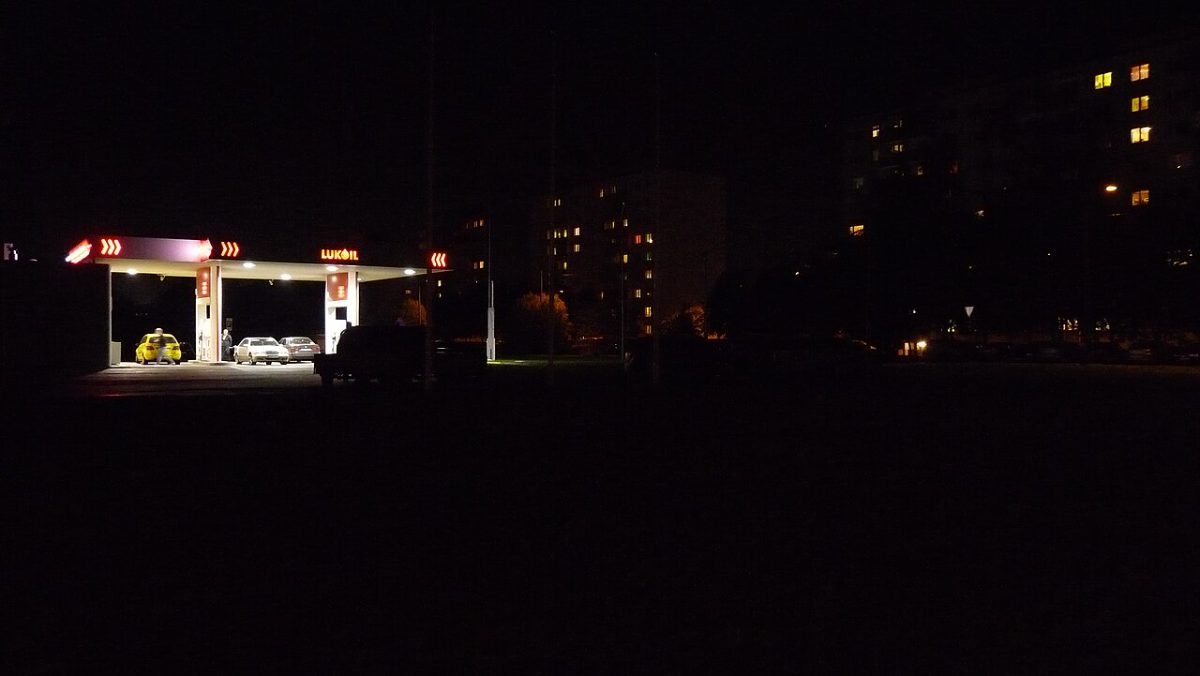
A US-led consortium announced on Wednesday, 25 November 2026, that it had entered a definitive agreement to acquire Lukoil International GmbH, the overseas arm of Russia’s Lukoil, including the Petrotel refinery in Ploiești and other assets in Romania. The deal is not yet closed: it remains subject to approval by the US Treasury’s Office of Foreign Assets Control (OFAC), further due diligence and other regulatory clearances.
The consortium is led by Eldridge, the investment firm of American financier Todd Boehly, and includes the US International Development Finance Corporation (DFC), UAE-based Catena Investment Holding and Xtellus Partners, according to the group’s own statement, issued through Business Wire. CNBC, citing people familiar with the matter, confirmed the same parties. Digi24, which first flagged the story for Romanian readers, reported that Lukoil’s foreign assets, including those in Romania, were to pass to American-led investors.
According to the announcement, Lukoil International’s upstream operations span 11 countries and produce about 350,000 barrels of oil equivalent a day. The portfolio also includes three European refineries — Burgas in Bulgaria, described as the largest in the Balkans; Zeeland in the Netherlands; and Petrotel in Romania — with a combined refining capacity of about 350,000 barrels a day. The group said the package also includes the international trading business LITASCO and more than 2,000 retail stations in 16 countries in Europe, North America and Central Asia.
The structure of the sale is designed to avoid a cash payment to Russia. The consortium said the portfolio would be acquired through a share swap: it would exchange restricted Russian shares of PJSC Lukoil and other Russian companies for 100 percent of Lukoil International’s equity. Sale consideration would be held in a restricted custodial account for five years or until sanctions are lifted. Upon closing, the announcement said, assets held by the international company would be completely severed from the Russian parent. DFC, on behalf of the United States, would receive an ownership interest “with no upfront cost to the American taxpayer.”
That design has already drawn scrutiny. A commentary published the same day by the Center for Strategic and International Studies (CSIS) noted that the US government is, in effect, both a bidder and a decision-maker, because OFAC must approve the deal; that DFC would take a stake without investing capital upfront; and that critics may object to the use of Lukoil shares placed in a blocked account as consideration. Those are arguments about the structure, not findings that the agreement is unlawful. The consortium presents the same features as a way to stabilise energy assets, keep fuel flowing to allied markets and prevent an immediate cash windfall to a sanctioned Russian company.
Lukoil was placed under US sanctions in connection with Russia’s war against Ukraine, which left its foreign refineries, fields and filling stations in legal and operational limbo and forced a search for a buyer acceptable to Western regulators. CSIS wrote that Petrotel had been in a scheduled maintenance shutdown when the sanctions hit, and that the restrictions prevented a normal restart, and that Burgas has operated under an OFAC licence and a special manager appointed by the Bulgarian government. French group TotalEnergies has run the Zeeland plant, with Lukoil holding a minority share, CSIS said. Today News Brief is treating the current operating status of each site as a matter for company and government updates; the confirmed point is that all three refineries are in the sale package and have been affected by the sanctions regime.
For Romania, the transaction would determine the future of one of the country’s remaining refineries and of a retail network that, according to earlier reporting, runs to hundreds of stations and thousands of jobs. Petrotel’s place in national fuel supply explains why Bucharest has watched the sanctions, any temporary halt in crude deliveries and the search for a buyer with particular attention. If the deal closes, the consortium said it would move quickly to stabilise operations, preserve investment and, where plants have been constrained, bring capacity back online. CNBC reported that the agreement would allow Europe to buy diesel and other fuels from the former Lukoil plants through a Western owner rather than directly from a Russian company.
None of this is complete until OFAC and other authorities sign off and closing conditions are met. The announcement itself lists those conditions. A 60-day exclusivity period for finalising the transaction was described in the CSIS analysis. Rival bids have failed before, according to that same commentary, in part because earlier structures were unacceptable either to US sanctions officials or to Moscow. Whether this attempt succeeds will be decided in the weeks ahead, not by the press release alone.
Until closing, Lukoil International remains under the existing sanctions framework, and the Romanian assets remain subject to Romanian law, including any court proceedings already under way. The consortium’s claim that the sale would “return billions to American taxpayers” is a promotional statement in its own release, not an independently audited figure, and is reported here as such.
Sources: Business Wire consortium announcement, 25 November 2026, naming Eldridge, DFC, Catena and Xtellus, the share-swap terms, the three refineries including Petrotel, production and station figures, and the OFAC condition; CNBC, 25 November 2026; CSIS analysis, 25 November 2026; Digi24, 25 November 2026.