Iran’s rial hits record low near 3 million per dollar as inflation nears 90% and US blockade bites
Iran’s rial fell to a record low of about 2.99 million per US dollar on the open market on 28 November, Reuters reported, as inflation near 89%, new US sanctions and a naval blockade weigh on the economy. The central bank says it has enough hard currency for basic goods.
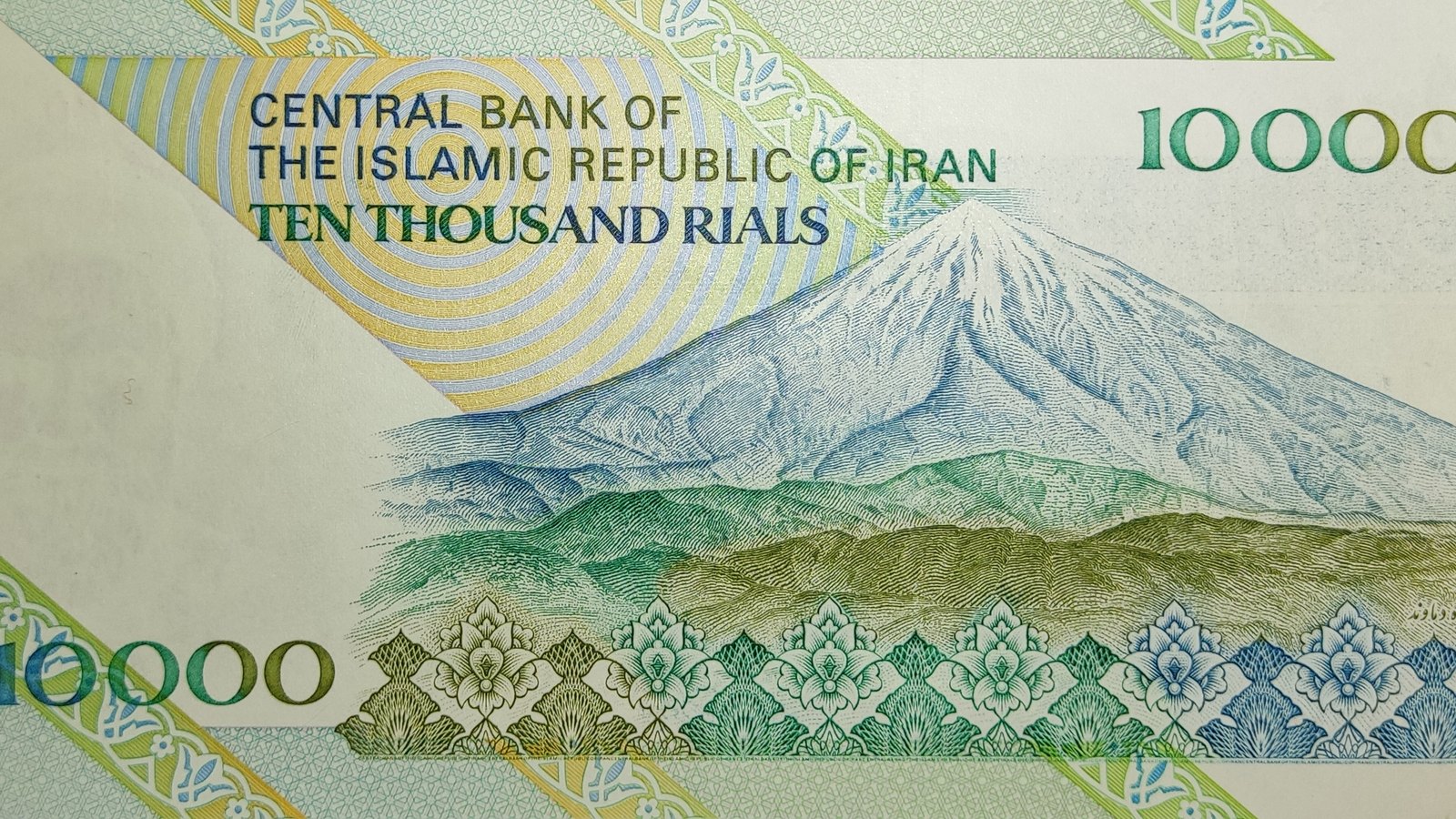
Iran’s currency fell to a new all-time low on Saturday, 28 November 2026, edging up to the symbolic mark of 3 million rials per US dollar on the open market, as runaway inflation, tougher US sanctions and an American naval blockade continue to squeeze the economy. According to Reuters, the free-market tracking site Bonbast quoted the dollar at about 2.990 million rials, up from 2.938 million on Friday, while another tracker, Alanchand, put it at 2.997 million, a rise of 1.77 percent in a single day. In the toman, the unit most Iranians use in everyday life, that is close to 300,000 tomans for one dollar.
How fast the rial is falling
The scale of the slide is striking even by Iran’s standards. Reuters noted that the rial first crossed the threshold of 2 million per dollar only in August of this year, which means the currency has lost roughly a third of its value against the dollar in about three months. In early 2025 the rate had just passed 1 million rials per dollar. For ordinary families, each new record translates quickly into higher prices for imported goods, medicine, spare parts and anything priced with reference to the dollar, and many Iranians have rushed to protect their savings by buying dollars, other hard currencies or gold, a reaction that itself adds pressure on the rial.
Inflation close to 90 percent
Official figures show how deep the crisis has become. Consumer prices in October were 88.7 percent higher than a year earlier, and average annual inflation accelerated to 76.8 percent, according to the Statistical Center of Iran, as cited by Reuters. Food has been hit hardest: food and beverage prices rose 112.6 percent year on year, meaning that the cost of a typical grocery basket has more than doubled in twelve months. In July, annual inflation had been 66 percent, so the trend is still pointing upwards.
War, blockade and sanctions
Reuters links the collapse to the nine-month-old Iran war and to the economic measures that came with it. The United States reimposed its naval blockade on Iranian ports in July, and this month announced Task Force Iron Gate, an initiative to restrict the movement of weapons and sanctioned materials across Iran’s land borders and the Caspian Sea. Earlier this week, US Treasury Secretary Scott Bessent imposed new sanctions aimed at cutting Iran off from the global financial system and disrupting what Washington calls its shadow banking networks, saying in a statement that Iran’s economy was “underwater” and its leaders were “panicking”. Iranian economists quoted by Iran International have warned that, even with alternative export routes, the blockade could cut the country’s foreign-currency income to a fraction of its previous level, at a time when oil revenue used to fund around a third of the state budget. At least three-quarters of Iran’s foreign trade previously went by sea, according to the same reporting.
What Iranian officials say
Central Bank Governor Abdolnaser Hemmati told state television on Saturday that Iran still had enough hard currency to pay for basic goods and medicine for months to come. He acknowledged, however, that the exchange market was being driven not only by economic fundamentals but also by expectations, politics and psychology, and said the central bank was trying to stabilise it as far as possible. Earlier in the week, First Vice President Mohammad Reza Aref said stocks of essential goods were in good condition and called for measures to keep basic prices from rising for at least three months. Some officials have floated other ideas: one lawmaker on parliament’s industries committee argued on Saturday that a “halal economy” and closer trade with Muslim countries could bring in badly needed foreign currency, Iran International reported.
Why it matters
A currency that loses value this quickly erodes wages and pensions almost in real time and makes it harder for businesses to plan or import raw materials. Economists cited by Iran International estimate that a large part of the population already lived below the poverty line before the blockade, and warn that more households could fall into poverty by the end of the Iranian year in March 2027. Past currency crashes in Iran have also fed social unrest, which is why the 3 million mark is being watched closely both inside and outside the country. The slide also matters for oil markets and for regional diplomacy, because it increases the economic cost of the conflict for Tehran.
What happens next
The immediate question is whether the rial breaks clearly through 3 million in the coming days or whether central bank intervention can slow the fall. Further US measures under the blockade and Task Force Iron Gate, any movement on diplomacy, and the next monthly inflation figures from the Statistical Center of Iran will shape the outlook. Iran’s parliament approved a plan in 2025 to strip four zeros from the national currency, but such a change would not by itself stop the loss of purchasing power. We will update this story with new official data.
Sources: Reuters, via Arab News, 28 November 2026 ; Iran International, 28 November 2026 ; Iran International, economists on the blockade, 25 November 2026 ; Bonbast free-market rates ; Statistical Center of Iran